Board: Nurse blamed disabled care-facility residents for forged records
Sep 15, 2025 | 11:34 am ET

Description
(Photo courtesy of the Iowa Board of Nursing)
State regulators have suspended the license of a nurse accused of forging a doctor’s orders at a western Iowa care facility and then blaming the disabled residents of the facility for the forgery.
In January 2025, the Iowa Board of Nursing charged registered nurse Lorraine Anderson of Salix with falsification of records and with failing to evaluate or report the status of a patient as required.
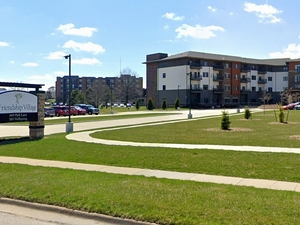
According to board records, Anderson was employed by Sioux City’s Park View Homes, a 45-bed intermediate care facility for individuals with intellectual disabilities, for approximately 17 years, most recently as the facility’s director of nursing.
State records show that in February 2024, the state agency that inspects nursing homes, the Iowa Department of Inspections, Appeals and Licensing, determined that a physician’s orders for several of the facility residents’ medications were missing. A DIAL inspector found that the last orders on file for the residents, which were good for 90 days, had been signed in October 2023 and were expired.
According to board records, the inspector was informed two days later that Anderson had found more recent orders for 14 residents of the home. The inspector noted the newly discovered orders appeared to have been signed by Dr. Brianna Brownlee in November 2023 — which was odd given that the October 2023 orders would not have expired at that point.
DIAL did not cite Park View Homes for any violations related to the records, but in March 2024, the Board of Nursing began to investigate. According to the board, one of its investigators spoke to Dr. Brownlee, who allegedly denied signing the 14 orders and said she suspected Anderson had forged her signature on the documents.
The board investigator then spoke to Anderson, who allegedly denied forging Brownlee’s signature. According to board records, Anderson asserted the 14 orders had been found in a locked storage room, and she reportedly suggested that a resident of the home must have accessed the documents somehow and forged the signatures.
Iowa Capital Dispatch was unable to reach Anderson.
At a subsequent disciplinary hearing on the matter, Administrative Law Judge Kristine Dreckman concluded there was sufficient evidence to show Anderson was the individual who had forged the physician’s signature on residents’ medication orders.
At the hearing, the state offered no argument or evidence to support the board’s charge that Anderson had also failed to evaluate or report the status of a patient as required, and that charge was dismissed.
Dreckman then issued a proposed decision, later approved by the board, suspending Anderson’s nursing license and stipulating that she cannot apply for reinstatement for at least one year.
The order stipulates that at the time of her application for reinstatement, Anderson must show it is in the public interest for her license to be reinstated and provide evidence that she has completed 12 hours of educational coursework related to professional ethics and medical documentation.
Des Moines, IA