Rat poison ban clears both chambers of RI General Assembly
Jun 04, 2026 | 6:50 pm ET
Description
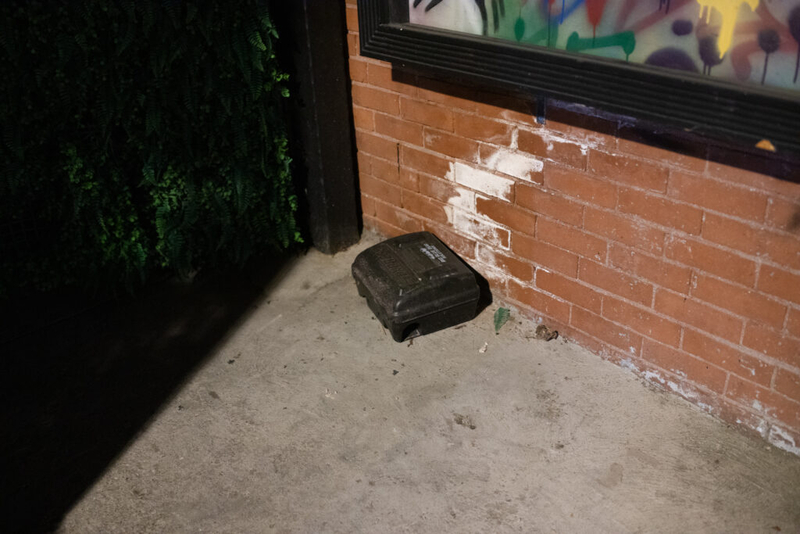
A rodenticide bait box seen on Atwells Avenue in Providence in May 2026. (Photo by Alexander Castro/Rhode Island Current)
A bill by Providence Democratic Rep. Rebecca Kislak to limit the availability of certain rodenticides statewide passed the House in a 56-8 floor vote Wednesday.
While the bill would narrow the range of rat poisons available to consumers, Kislak assured her colleagues on the House floor that she is no lover of the rodents and is “perfectly happy to kill them.”
“I am saying this as a peaceful vegan: Kill the rats,” Kislak said during Wednesday’s floor discussion. “But what we’re doing right now isn’t working. If these poisons actually work to kill the rats, we would not have so many rats, and instead, what they’re doing is killing the predators of the rats.”
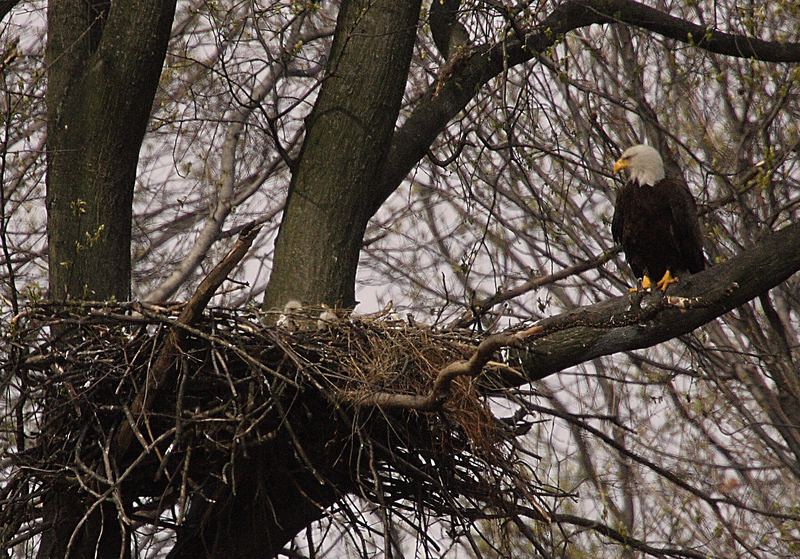
Kislak has submitted the legislation for several years in a row, spurred by the knowledge that owls, hawks and other predators that naturally prey upon rat populations can also die from the anti-clotting drugs used in rodenticides.
Last year, Kislak’s bill died in committee, while a companion bill in the Senate by Sen. Melissa Murray, a Woonsocket Democrat, passed the Senate floor.
This year, Murray once again submitted the companion bill, which unanimously passed the Senate on May 26. Now, each chamber needs to pass the other chamber’s bill before the legislation can head to Gov. Dan McKee’s desk.
Larry Berman and Greg Paré — spokespeople for the House and Senate, respectively — said on Thursday afternoon that concurrence votes were not yet scheduled but “will happen in the coming days.”
Rodenticides kill more than rodents. Providence lawmaker sponsors bill to ban their use.
The legislation prohibits the sale of anticoagulants, starting with those developed before 1970 known as first-generation drugs that kill rats through prolonged internal bleeding. The well-established class of drugs are also known for their utility as human medicines like warfarin, or Coumadin. Along with chlorophacinone and diphacinone, warfarin is one of three first-generation anticoagulants OK’d for rat and mice control in the states.
Should the legislation become law, first-generation anticoagulants would be banned for consumer sales in Rhode Island starting March 1, 2027. An explicit ban on newer, more potent second-generation anticoagulants — which were developed starting in the 1970s and are registered only for use by pest professionals — would be codified in state law starting Jan. 1, 2028.
By Jan. 1, 2029, both first- and second-generation anticoagulant rodenticides would be banned statewide — even for pest control companies, albeit with some exceptions for use in public health, agriculture, food production and certain types of facilities.
I am saying this as a peaceful vegan: Kill the rats.
The U.S. Environmental Protection Agency notes on its website that second-generation agents “pose greater risks to nontarget species that might feed on bait only once or that might feed upon animals that have eaten the bait.”
That’s because these stronger drugs take fewer feedings to kill, but they also stay in a rodent’s body longer, making a poisoned rat toxic for a longer time — an unwelcome side effect for any unknowing creature that may feast on it.
Municipalities could also participate in a voluntary pilot program that would help them test integrated pest management strategies, such as improving sanitation measures, natural predator populations, or other nonchemical methods of shrinking a city’s rat demographics.
“When I first had this bill four or five years ago, I didn’t know how to spell rodenticide,” Kislak said on the House floor Wednesday. “I didn’t know about the different kinds of rat poison…I did think that rats are kind of gross, and I know they’re also living beings, and all living beings have value, and all of that.”
But, Kislak continued, she now sees it this way: “It’s not killing the rats, it’s making them slower. It’s slowing them down. And then the beautiful raptors, who are their natural predators, are eating the rats, and it bioaccumulates.”
‘I’d like to kill the rats’
Horror stories about birds of prey presumed to have ingested these poisons popped up at committee hearings on Kislak’s bill, largely from Sheida Soleimani, founder and executive director of Congress of the Birds, a wildlife rehabilitation clinic in Providence and Chepachet.
Kislak said on the House floor that Soleimani’s clinic rescued 246 raptors in 2025, many believed to have been likely poisoned by the rodenticides targeted in Kislak’s bill.
The most vocal opponent of Kislak’s bill in the House came from Minority Whip and Burrillville Republican Rep. David Place.
“We’re making a choice between animals and people, right?” Place asked his colleagues on the House floor. “We kill the rats because the rats are a threat to our health and safety.”
Place then compared the debate to that on DDT, a pesticide which he said “saved lives” and “almost eliminated malaria across the world,” before environmental policies “made the decision to save the environment and sacrifice people’s lives.”
“I’d like to kill the rats,” Place said. “They evolve, rats evolve, they get survival of the fittest.”
The bill sponsor also fielded a question from Democratic Rep. Charlene Lima of Cranston — a city whose rat problem was so pronounced it played a starring role in the city’s 2024 mayoral debates. What would kill the rats instead, Lima wondered?
Kislak said one option is birth control for rodents.
“I really want to know how that’s going to work,” Lima replied. “Do the little rats go monthly to get their birth control filled at Walgreens?”
Kislak replied that, instead of putting poison in the bait boxes, exterminators would place birth control meds instead.
“They eat the birth control, and then they don’t reproduce,” Kislak said, noting such programs have had “mixed results” but have been “working pretty well in Arlington, Massachusetts.”
Kislak offered some other ideas: “Good old-fashioned snap traps, making sure that garbage is closed.”
Providence, RI