Battery energy storage to the rescue
Sep 29, 2026 | 2:41 pm ET
Description
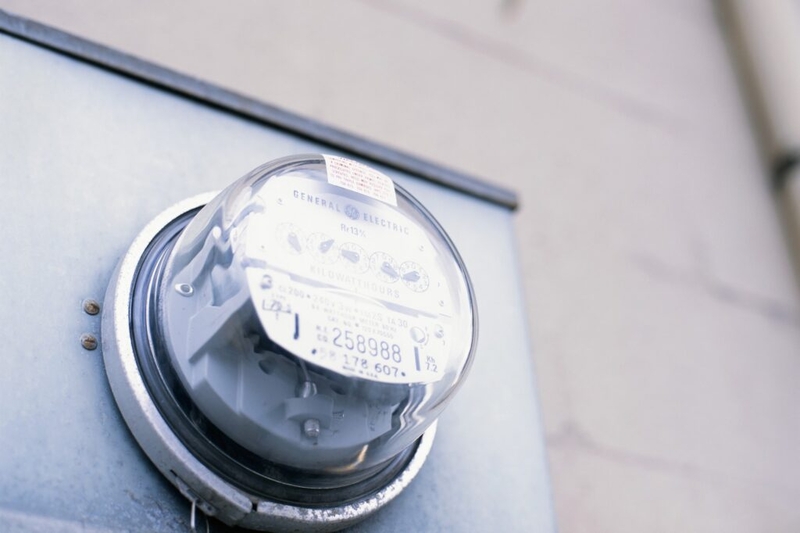
An electricity meter. (Photo by the Image Bank/Getty Stock)
Maryland residents have multiple reasons to be concerned about the power grid. Energy costs are rising. Increasing demand is raising concerns about reliability. Marylanders are being told to accept new transmission lines and new gas pipelines. The state is even being told to keep operating polluting and costly coal-fired power plants to keep the grid stable.
But what if there was an easier, cheaper option to solve some of these problems? It turns out there is.
Grid-connected battery storage is addressing such problems currently in states like California, Texas, Arizona, and Nevada. In contrast, our regional grid, PJM Interconnection, has almost none — although it does have plans to start building battery storage.
Looking at generation, battery storage can address a scheduled or unexpected supply disruption. No power plant runs all the time; batteries can plug a gap, at least for a few hours. Batteries also help address an often-cited challenge with renewable energy — that the sun sets and wind doesn’t always blow. In the same way batteries solve the intermittency problem, they help address peak demand. Their power can be discharged to the grid almost instantaneously when needed.
Batteries can also avoid or postpone the need for new transmission infrastructure. When demand is low, electricity can move down a transmission line to charge the batteries, getting it past the pinch point. This can help prevent a blackout or brownout later when demand rises.
When batteries are placed close to end users, they can again increase the reliability and quality of supply, provide backup power, and enable microgrids, such as the ones Montgomery County has built for its electric bus system.
In California, batteries enable the state to store excess solar power during the day and release it during the evening demand peak. In the last three years, this has cut in half the need to spin up expensive gas peaker plants, reducing both operating costs and emissions. The California grid has become more reliable as a result, with no alerts calling for voluntary conservation in the past three years.
The picture is similar in Texas, where wind, solar, and batteries have stabilized the once dodgy grid. Texas may surpass California this year in energy storage. Battery storage is not some blue-state fixation; in fact, two-thirds of new battery storage in 2025 was in states won by President Trump. Battery storage is expanding rapidly across the country because it makes financial sense.
With all these benefits, you might wonder why Maryland doesn’t already have more battery storage connected to our grid. PJM had such a backlog in its interconnection queue that until recently, it wasn’t accepting new projects.
Now there are three substantial battery storage projects under review by Maryland’s Public Service Commission for approval to be connected to our grid. A decision is expected from the Commission by Oct. 1.
With the impacts of climate change intensifying and demand for electric power growing, it’s a critical moment for the state to take advantage of battery storage to stabilize our grid, help control costs and reduce harmful emissions.
We shouldn’t wait any longer, but if there’s a silver lining to Maryland’s trailing other states, it’s that battery technology improved at the same time as costs have come down. Battery energy storage is now very affordable at grid scale and well positioned to make our lives better.
Annapolis, MD