Army Corps of Engineers uses released water from Dworshak Reservoir to cool river temperature
Jul 27, 2026 | 8:17 pm ET
Description
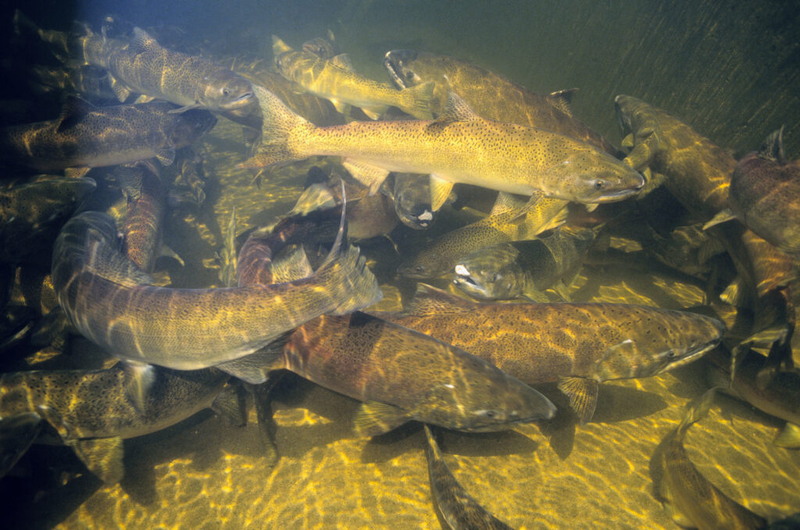
In this undated photo, Chinook salmon spawn in Snake River. River temperatures rose this month, which can be dangerous for salmon and steelhead. (Photo by Natalie Fobes/Getty Images)
Hot temperatures across western Idaho and southeastern Washington have been heating up river temperatures, which can be dangerous for salmon and steelhead. The Army Corps of Engineers has responded by releasing cold water from the reservoir behind Dworshak Dam.
The Clearwater River, near Orofino, had a water temperature of 79.7 degrees on July 25, according to a press release from the Corps of Engineers. The Snake River, at a point about 25 miles southwest of Lewiston, reached 74.4 degrees that same day, the release said.
The Clearwater and Snake rivers converge at Lewiston, and hot water mixing is dangerous for steelhead and salmon, which prefer cooler water temperatures, the release said.
“Above about 68 degrees, they start showing signs of stress, migration delay, and, if temperatures go higher, mortality can start to occur,” Chris Peery, a Corps of Engineers fish biologist, said in the release. “Water that flows into the lower Snake River and the Lower Granite Dam reservoir comes from Hells Canyon and other tributaries and is always warmer than 68 in summer.”
The Corps responded by releasing cold water on July 25 from the Dworshak Dam reservoir near Orofino. The water release kept river temperatures behind Lower Granite Dam at 66.1 degrees or cooler, the press release said.
The Corps manages the dam, and performed the water release in consultation with the National Marine Fisheries Service and the U.S. Fish and Wildlife Service, the release said.
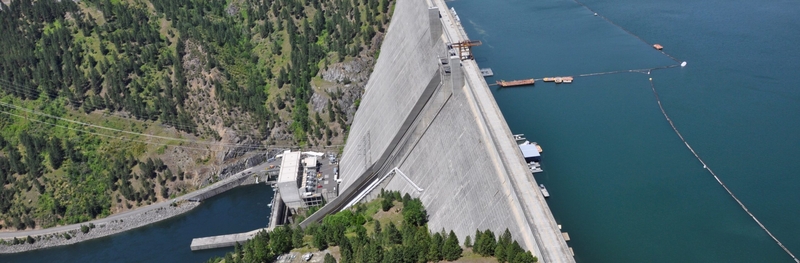
Dworshak is 600-feet deep, according to the release, and the bottom of its reservoir stays 42 degrees year-round. The dam, standing at 717 feet tall, is the third tallest in the U.S and has the capacity to store more than 3.4 million acre-feet of water. That’s enough to cover the state of Connecticut with 1 foot of water, according to the release.
“If we manage it carefully, we can help cool the Snake River so it stays around 68 degrees in the tailrace of Lower Granite Dam, but there is a limited amount of water that we can release from Dworshak,” Peery said
Dams can both help and hinder salmon and steelhead
Dams, agricultural or industrial water use, habitat quality, and climate conditions like drought, annual snowpack and precipitation can all affect river temperatures. Because of varied conditions, releasing water from the dam cannot eliminate high temperatures throughout the river system, the release said.
“(The dam) can, however, provide operational flexibility and help improve conditions in portions of the Clearwater and lower Snake rivers during periods of elevated summer temperatures, aiding salmon and steelhead,” the release said.
Other dams along the Snake River contribute to the warming waters, according to advocates for salmon restoration. A 2024 Hot Water Report from the conservation coalition Save our wild Salmon, or SOS, noted that Dworshak reservoir releases helped cool waters but the report also said, “the benefit of this cold water does not last long in the summer heat and does not cool the other three downstream reservoirs on the lower Snake.”
The coalition argued that, “with a free-flowing lower Snake River, cold water releases from Dworshak Dam during the summer months would further help keep temperatures cool and healthy for fish from Lewiston (ID) downstream to where the Snake River joins the Columbia River in south-central Washington State near the Tri-Cities.”
Construction of the dam, which began in 1966, blocked salmon and steelhead trout’s migration to their natural spawning grounds and removed some of the fishes’ habitat. The height of the dam made it impossible to build a fish ladder, according to Fish and Wildlife. The Dworshak National Fish Hatchery was built to mitigate fish losses, according to the Corps. The hatchery is operated by U.S. Fish and Wildlife and the Nez Perce Tribe.
Boise, ID