AI is about to collide with Idaho’s water crisis, and we’re not ready for the consequences
May 18, 2026 | 6:00 am ET
Description
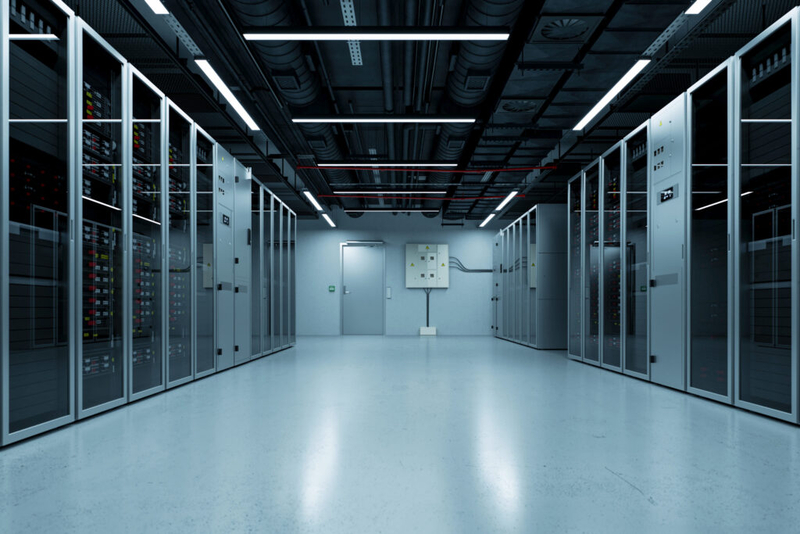
Interior of a modern data center. (Stock photo by Imaginima/Getty Images)
Water scarcity has always shaped life in Idaho, but now a new threat is emerging.
Large-scale AI data centers consume millions of liters of water per day for cooling, adding industrial pressure to a system already stretched too thin. Idaho has long been an agricultural state. More than $8.5 billion of our annual revenue comes from farming, and agriculture depends on one resource above all others: water. The state faced repeated irrigation cutbacks in 2021, 2022, and 2023, even before experiencing its warmest year since 1934. As AI’s water demand accelerates, Idaho’s communities and agriculture face growing strains because current policies and infrastructure are not prepared for the scale of this new industrial pressure.
Data centers and other new large loads are driving sharp increases in Idaho farmers’ electric bills
This leads to the critical question Idaho must confront: who gets the water, and who doesn’t?
Idaho is entering another year of drought, with below-average snowpack, reduced streamflows, and reservoirs that look full only because the snowpack is melting too fast. We are running out of water while demand is accelerating, and the consequences will fall hardest on Idaho’s farmers, ranchers, and local communities.
According to the Idaho Department of Water Resources’ 2026 Water Supply Outlook Report, the Skitwish Ridge Snow Course is sitting at 47% of normal, ranking this year’s snowpack among the 10 lowest on record. Reservoir storage on the Boise River system is at 119%, but this is scarcity disguised as abundance. Early melt-off means water arrives too soon and disappears too fast. Streamflow forecasts point toward continued drought conditions for 2026.
This is the backdrop against which Idaho is welcoming new AI data centers, including Meta’s massive facility in Kuna, scheduled to open in late 2026. These centers don’t just use water; they compete for the same rivers, aquifers and reservoirs that Idaho’s farms and families depend on.
And if we want to understand what happens when industrial water demand collides with regional drought, we don’t have to look far. We only have to look west.
Oregon is Idaho’s warning
In The Dalles, Oregon, Google’s data centers consumed 355 million gallons of water in 2021, accounting for 29% of the city’s total water use. This happened during a period when Oregon’s drought intensified for five consecutive years. Snowpack in parts of the state fell to 15% of normal in March 2026: a record low.
To understand the real-world consequences, I spoke with Kessina Lee, Oregon state supervisor for the U.S. Fish and Wildlife Service. She has watched these pressures unfold firsthand.
Lee told me that data centers use such high volumes of water that their discharge can overwhelm small municipal treatment plants, leading to untreated wastewater entering rivers with potentially toxic impacts on fish, wildlife and people. When I asked whether she was seeing increased tension over water allocation between industry, agriculture and environmental needs, her answer was immediate: “Absolutely.”
She warned that if current trends continue, the West could face depleted groundwater, reduced snowpack, declining reservoir levels, shrinking streamflows and an increase in high-severity wildfires. All of these impacts, she emphasized, will be “incredibly costly” for communities.
Oregon is not just a warning. It’s a preview.
AI’s water demand is accelerating faster than policy
Researcher Manuel Herrera, who studies sustainable AI infrastructure, warns that AI’s water consumption could increase sevenfold by 2050, reaching 28.11 billion liters per day globally. Environmental analyst Miguel Yañez-Barnuevo notes that a single large data center can use 5 million gallons per day, equivalent to the water demand of a town of 10,000 to 50,000 people.
And most data centers draw from blue water sources, the same rivers and aquifers that Idaho agriculture relies on.
This is not hypothetical. It is happening now.
Idaho’s water system is already under strain
Gov. Brad Little has repeatedly emphasized the importance of protecting Idaho’s water resources, especially after irrigation cutbacks in 2021, 2022, and 2023. In his recent address, Little argued that maintaining water infrastructure investments is essential to supporting farmers and ranchers who rely on groundwater and irrigation systems.
He’s right. But infrastructure alone won’t solve the problem if industrial water demand continues to grow without guardrails.
Idaho cannot afford to wait for federal action. As environmental law scholar Whitni Simpson notes, the Artificial Intelligence Environmental Impacts Act of 2024 is still in its early stages, but it studies the environmental impacts of AI facilities rather than regulating them. Idaho needs state‑level protections now, before new facilities lock in decades of water demand.
This issue is personal, and it’s urgent
I was born and raised in Boise. I remember when the city was surrounded by farmland, when winters brought feet of snow instead of inches, and when water felt abundant. I take my son to the same fishing spot my grandfather took me to. That place is part of our family’s story, and part of Idaho’s story.
But the landscape is changing. Snowpack is shrinking. Rivers are warming. Farms are struggling. And now, industrial water demand is rising faster than our policies can keep up.
This isn’t a problem for future generations. It’s here.
Idaho needs to act before we hit the breaking point
We have a narrow window to prevent the kind of crisis Oregon is already facing. Idaho must strengthen its water policies to ensure that innovation does not come at the expense of our communities, our agriculture or our natural resources.
Here are four steps Idaho can take right now:
- Require data centers to use non-potable or recycled water. Greywater cooling systems exist. They work. But without state requirements, companies default to the cheapest option, which is often potable water.
- Mandate public reporting of industrial water withdrawals. Idahoans deserve transparency. Farmers must report water use. Cities must report water use. Data centers should as well.
- Require environmental impact assessments before approval. Before a facility is built, Idaho should know how much water it will use, where that water will come from, how wastewater will be handled, and how it will affect agriculture and aquifers.
- Establish drought-year water priority tiers. During drought, agriculture, drinking water and ecosystems must take precedence over industrial cooling.
These are not anti-technology measures; they are pro-Idaho measures.
The choice is simple
Idaho can embrace innovation while protecting its water, but only if we act now. If we fail to set standards, the burden will fall on farmers, rural communities and future generations.
Water is the foundation of Idaho’s economy, identity and way of life. We cannot allow unchecked industrial demand to drain that foundation beneath us.
The time to act is now.
Boise, ID