After ‘tight budget year,’ Idaho ends fiscal year with positive cash balance
Jul 17, 2026 | 6:01 pm ET
Description
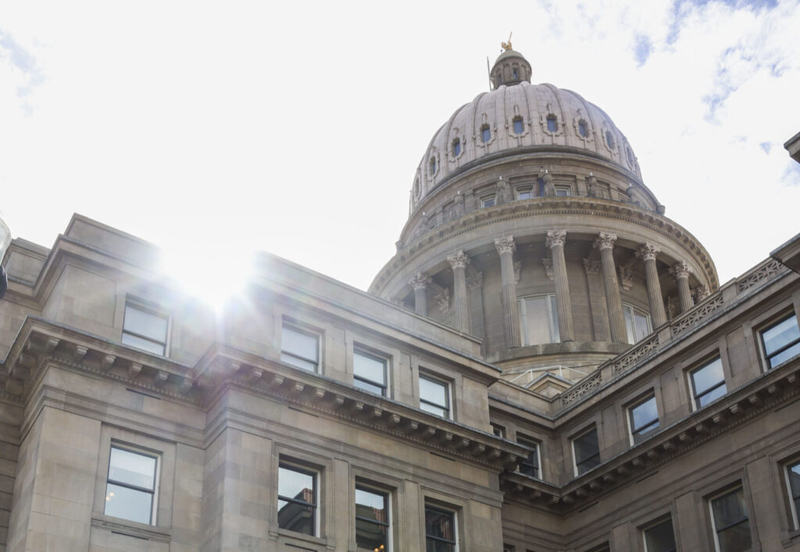
The exterior of the Idaho Statehouse as seen on March 16, 2026, in Boise. (Photo by Pat Sutphin for the Idaho Capital Sun)
Idaho ended the 2026 fiscal year this summer with a positive ending cash balance that allows the state to transfer about $250 million into next year’s fiscal year 2027 state budget, Gov. Brad Little’s office announced Friday.
“What we are seeing is we had a pretty tight budget year, but I do think some of the budget decisions we made were smart,” Idaho Division of Financial Management Administrator Lori Wolff said in an interview Thursday.
Friday’s announcement represents the public’s first look at how the state budget looks as officials close the books on fiscal year 2026. Idaho’s 2026 fiscal year ended June 30 and fiscal year 2027 began July 1.
The $250 million the state is transferring into the fiscal year 2027 budget represents the starting point for state revenue in the new fiscal year.
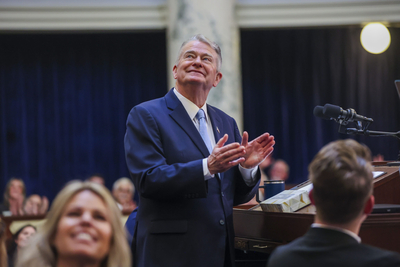
In a written statement on Friday, the governor celebrated the state’s budget management.
“A strong economy is built on fiscal discipline. We acted quickly to align spending with the best information available. Some decisions were not easy but they were the right ones,” Little said. “We stayed disciplined, and as a result Idaho protected its priorities, maintained healthy reserves, and finished the year in an even stronger financial position than anticipated.”
This year, the state’s budget was watched especially closely because of the cumulative effect of a series of state and federal tax cuts adopted by the Idaho Legislature that reduced state revenue and led to budget cuts for almost all state agencies and programs to avoid a budget shortfall.
Another reason the state budget is watched so closely is because the Idaho Constitution prohibits the state of Idaho from running a budget deficit where expenses exceed state revenues.
“Our budget recommendations reflected the economic conditions we were seeing at the time, and the Governor made prudent decisions to ensure Idaho remained structurally balanced,” Wolff said in a written statement Friday. “The fiscal year-end finish demonstrates both the resilience of Idaho’s economy and the value of conservative budgeting.”
Idaho state officials bracing for another tight budget year ahead
Although the state ended its recent fiscal year with a positive ending cash balance, the state’s tight budget environment is expected to continue in fiscal year 2027 and fiscal year 2028, state officials said.
State agencies have until Sept. 1 to turn in their fiscal year 2028 budget requests to the state. On May 29, Wolff wrote to state agency directors asking them to submit maintenance of operations budget requests only for fiscal year 2028.
Legislators and state officials referred to maintenance budgets as bare-bones budgets that are solely intended to keep the lights on for state agencies. Maintenance budgets basically include the current year’s budget with any one-time funding increases removed.
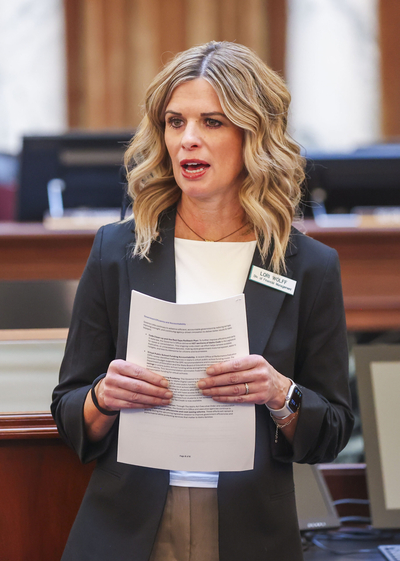
In her May 29 letter, Wolff said supplemental funding requests of any source should be a tool of last resort and that the state would not accept any new line-item funding requests that do not have prior approval.
“At this point, additional holdbacks are not anticipated; however, agencies should continue operating with a focus on efficiency and prioritization following the expenditure adjustments adopted during the 2026 legislative session,” Wolff wrote.
Although most state agencies and programs were cut by 4% in fiscal year 2026 and 5% in fiscal year 2027, Wolff said the fiscal year 2028 budget is not the time or place to begin talking about restoring budget cuts.
Instead, Little would use any additional revenue to focus on prioritizing a change in employee compensation, or CEC, which is a pay increase for state employees who did not receive a pay increase this year, as well as funding for transportation projects that had been put on hold, funding for public schools and funding to fight wildfires.
“Gov. Little will prioritize critical investments in top-priority areas while ensuring a conservative and balanced budget for Idaho,” Wolff wrote. “Maintaining disciplined maintenance budgets will help preserve Idaho’s ability to respond to future economic changes, continued population growth, and emerging statewide priorities.”
Boise, ID