Officials grant more flexibility in Medicare Part D, but some state retirees still mourn state plan
Nov 26, 2026 | 4:30 am ET

Description
For some of the thousands of state retirees moved from a state plan to Medicare Part D felt a "breach of trust," so when state officials unveiled new plan options this year to provide more flexibility, those retirees were still wary. (Photo by Christine Cabalo/U.S. Marine Corps)
Prescription drug coverage is a touchy subject for thousands of former state employees who lost access to a popular state drug plan and were shifted over to a federal plan in a cost-savings move.
So even as state officials announced new prescription drug plan options this year that will provide more flexibility for former workers who may have struggled during the switch to Medicare Part D, some of those retirees are still sore from that “breach of trust.”
“We lost something in that exchange,” James Roberts, president of the Towson University Retiree Association Working Group, said in a recent interview. “On the whole, people are getting their drugs covered – it’s just that it’s going to be more expensive, we’re going to have fewer drugs covered.”
His comments came in the middle of the Medicare open enrollment period, when retirees can shop and select prescription drug plans available through Medicare Part D for the 2027 plan year. Open enrollment ends Dec. 7.
New prescription benefits contract to yield ‘modest’ initial savings to state
Workers who were hired before June 30, 2011, and who retired by Jan. 1, 2020, can qualify for a state-funded Health Reimbursement Arrangement benefit, which gave a state retiree $900 a year toward out-of-pocket prescription drug costs. Households with two Medicare-eligible retirees get $1,900 a year if they qualify for HRA.
But retirees had to to through a state-contracted broker, Via Benefits, which only provided four of the available Medicare Part D plans approved by Maryland officials.
The state Department of Budget and Management addressed that this year, telling retirees could select coverage offered outside of Via Benefits, providing “greater flexibility while continuing to make Via Benefits’ expertise and support available to you,” a letter to retirees said.
Qualifying retirees now have access to nine Maryland-approved Medicare Part D plans, either through Via Benefits, directly from insurance carriers or through the federal marketplace called medicare.gov. The change is expected to let 6,000 to 7,000 more retirees take advantage of the HRA benefit now that they are not limited to plans covered by Via Benefits. And the 42,000 retirees already using the HRA benefit can shop for plans outside of Via Benefits that may be more advantageous to them.
Will the expanded coverage heal the “wound” from the shift to Medicare Part D? That depends, Roberts said.
“If someone is only taking three medications, then they’d be better off taking the cheapest plan they can find because they’re not going to be spending much on medicine anyhow,” Roberts said. “If they’re taking, like I am, many, many medications – and I know people who are taking more than twice of what I’m taking – they’re going to want a plan that’s not necessarily cheaper month by month, but they’re going to want a plan that’s cheaper in the long run by virtue of the coverage.”
Drugs covered and annual cost of coverage differ by plan and, with more options outside of the four Via plans, some retirees could come out ahead.
“This gives them many more options,” Roberts said. “There’s more flexibility by going outside of Via Benefits, so I think as a whole retirees will find that this is an improvement for them.”
But for other retirees, it’s a “hassle” to have to shop around for different plans in the first place, especially for older retirees who were used to the broad coverage offered by the former state prescription drug plan.
“Some of the people are totally confused,” said Kathlyn Miller, a board member of the Wisdom Institute, the retiree association for University of Maryland, Baltimore County.
“This is very difficult for elderly people to do,” she said. “These people are all of a sudden slammed with Medicare, and they have to understand it … These people are cautious, and they don’t want to change — change is not in their vocabulary at this age.”
The shift in coverage has roots in Maryland’s 2011 pension reform legislation, particularly part that aimed to end the state’s prescription drug coverage for Medicare-qualified state employees and move them to Medicare Part D.
Some workers wanted to stay with the state plan that they agreed to when they were hired, and feared that Medicaid Part D would not adequately cover their prescription drug costs.
The shift was supposed to occur in 2019 but a cohort of retirees sued the state, arguing that by revoking the benefits they signed up for when they were hired, the state broke its contract with them. A federal judge agreed in October 2018 and blocked the shift while their case continued. But the 4th U.S. Circuit Court of Appeals reversed that ruling in February 2023, allowing the state to move forward on the change.
Md. retirees receive notice of prescription drug benefit change despite years-long battle, lawsuit
Despite ongoing concerns raised by affected retirees, state officials said they would be moving to Medicare Part D starting in the 2025 plan year.
In the time since, Roberts says, some retirees’ fears have come true. While the old state plan covered all of the 17 prescription drugs he takes, the current Via Benefits options would have only covered up to 14 of those, meaning he has to pay for the others out of pocket.
And he’s not the only one. He collected survey results from five other groups representing state retirees about their Medicare Part D coverage options, and found just under half were not satisfied with their coverage in 2025 and 38.5% were satisfied. The rest were neutral. He cautions that it was not a survey using random sampling methods, but feels the results “reflect the feelings and responses that people sense in their coverage.”
Almost 58% said they were paying more under Medicare Part D than under their previous state drug coverage. Roberts said state officials should do their own, formal survey of retirees.
“We’re going to continue to ask for some kind of external study of the real effects of this,” he said. “I can give you some anecdotal information but I can’t give you the actual numbers.”
Meanwhile, Miller urges state retirees to shop their various Medicare Part D options before open enrollment closes to ensure that their plans are still available next year and that it is best for their situations.
“Make sure you compare your plans and check to make sure that the plan you are enrolling in next year — don’t just let it roll over. You might be surprised by what you find,” she said. “If you don’t do that, you might find that some of your drugs aren’t covered.”
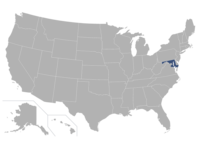
Annapolis, MD