As plans for a Carbon County data center and nuclear reactors advance, residents push to be heard
Nov 20, 2026 | 6:05 pm ET
Description
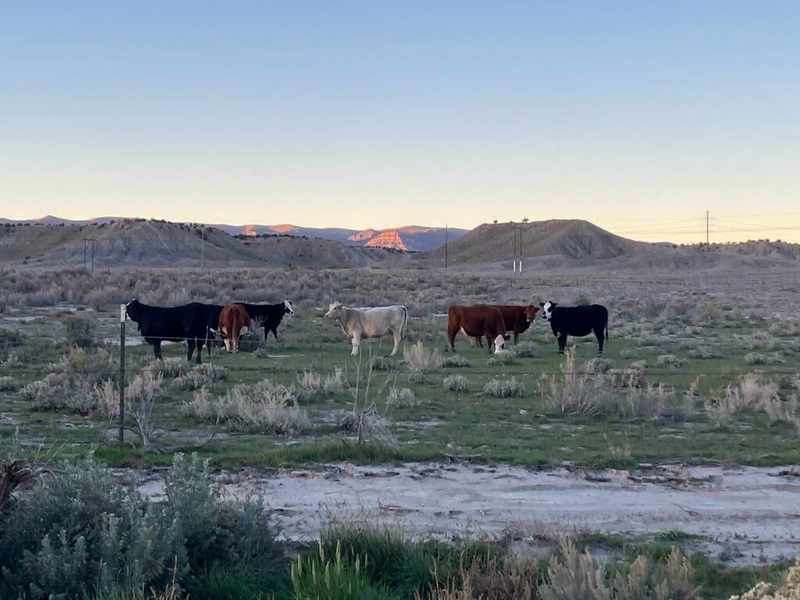
The view from Elizabeth Trostle's front yard. The land is part of a broader area Valar Atomics is seeking permission to use as it plans to bring hundreds of small nuclear reactors and a data center to Utah's Carbon County. (Photo courtesy of Elizabeth Trostle)
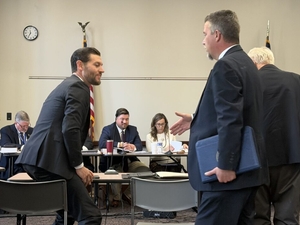
A group of neighbors frustrated with a California-based company’s plan to bring hundreds of small nuclear reactors and a data center to Carbon County made a longshot pitch Thursday, their latest in a growing battle.
They urged members of the Utah’s Trust Lands Administration board to reconsider the lease they approved for Valar Atomics two months ago, arguing Valar should provide more details on what’s in store and calling attention to what they say is lacking transparency across multiple levels of government.
“Why did our community have to learn about something of this magnitude through NPR?” said Elizabeth Trostle, whose family of seven lives near the small city of Wellington. “Is that what transparency looks like here in Utah?”
It was one of few opportunities Trostle and others in her rural community have had to weigh in on the project seeking to produce 9.6 gigawatts of power — more than double what the state of 3.5 million people consumes.
The project was not on the board’s Thursday agenda, and after two and a half minutes of comment via Zoom, Trostle was out of time. A board member thanked her and another critic for sharing their thoughts and moved on to a scheduled discussion.
Later in the day, a spokesperson for the agency confirmed the residents’ request for a fresh review would not be granted.
“When the lease was signed, it became a legally binding contract; reconsideration is not possible,” a spokesperson for the Trust Lands Administration said in an email.
Trostle said she would have spoken up when the board considered the proposal earlier this year, but she didn’t hear about it until weeks later.
In a statement to Utah News Dispatch that the Trust Lands Administration requested be used in full, spokesperson Marla Kennedy said: “TLA provided the public with two distinct opportunities to share their perspectives and provide input through open, public meetings held in August and September of this year.”
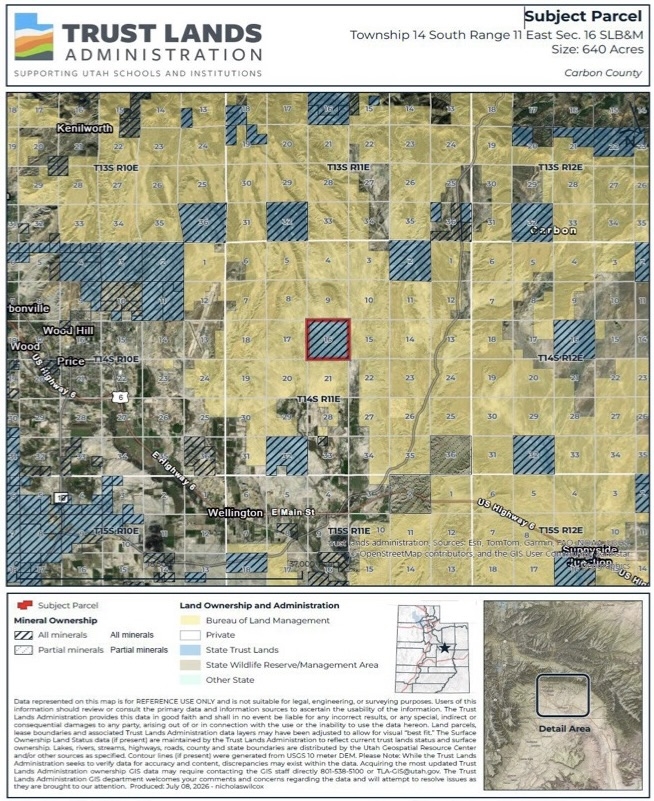
“At both meetings, the Board received and considered verbal and written comments from interested citizens before deciding to issue the ground lease.”
To add to some Carbon County residents’ dismay, when the county’s planning commission voted to approve a permit for Valar’s “Raceway Energy Campus” last week, it did not give members of the public an opportunity to be heard.
At the meeting, Carbon County Attorney Christian Bryner told those in attendance the panel was not required to hold a public hearing to approve the application, The Salt Lake Tribune reported.
On Thursday, Trostle said she’s not against responsible development but feels the process is moving too quickly as she and others seek more information about possible environmental effects and the handling of radioactive waste from the proposed Valar campus.
The company did not respond to an emailed request for comment Thursday, but told NPR in September that “this is home, and we’ve spent eighteen months answering our neighbors’ questions before being asked. We’ll keep earning that trust one answer at a time.”
Valar has also applied for land use approval from the U.S. Bureau of Land Management for a project in the same area. Trostle said the stretch of federal land in question ends just across the street from her house.
The federal agency is in the early stage of reviewing those materials and indicated in an unsigned statement to Utah News Dispatch that multiple layers of review lie ahead. If its managers decide to accept the application and deem it complete, they will start the process for an environmental analysis required under federal law, the statement said.
In response to a question about concerns from homeowners in the area, the Trust Land Administration said in its statement to Utah News Dispatch:
“It is important to clarify that TLA’s issuance of a ground lease is separate and distinct from the regulatory review and approval processes required by other governmental authorities. The ground lease does not grant, replace, or imply approval of any local, state, or federal permits, authorizations, or regulatory approvals the project may need. Those approvals are separate from TLA’s role and are subject to the review and authority of the applicable local, state, and federal regulatory agencies. The lessee remains responsible for obtaining all required permits and approvals before undertaking activities covered by the lease.”
Salt Lake City, UT