Idaho health providers find successes, express frustration in year 1 of federal rural health grant
Nov 19, 2026 | 8:14 pm ET

Description
Idaho has obligated its nearly $186 million federal Rural Health Transformation grant funds in the first year of the five-year program. Hospitals leaders who got awards say they'll make a big difference. Some smaller facilities who didn't get any funds say navigating the program was difficult without dedicated staff. (Getty Images)
After Idaho health officials had to “sprint” to award all of its nearly $186 million federal rural health care grants, a number of small health providers say they were left without answers about why their applications were denied.
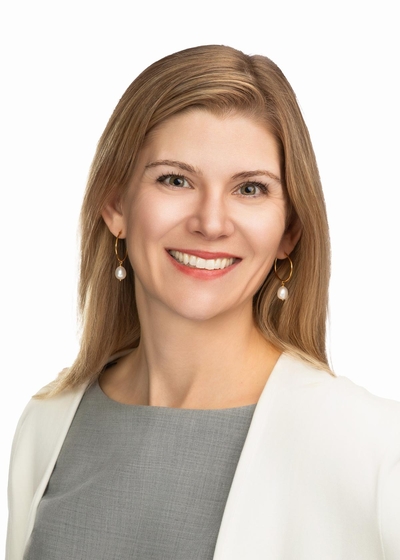
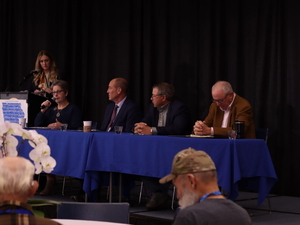
Idaho Department of Health and Welfare Director Juliet Charron met with state legislators on the Rural Health Transformation Committee and healthcare providers and stakeholders on the Rural Health Transformation Program Implementation Task Force in two separate meetings on Thursday in Boise.
The Rural Health Transformation Program was created through the $50 billion Congress approved in July 2025 through the One Big Beautiful Bill Act, which also reduced an estimated nearly $1 trillion over 10 years in Medicaid spending nationwide. Idaho received about $186 million in the first year, and federal authorities announced on Nov. 9 the Gem State would receive nearly $183 million in year two.
Charron said staff are trying to determine why the state received less in the second year.
More than $103.5 million of Idaho’s grants in the first year were awarded to hospitals and clinics for infrastructure projects, equipment and technology upgrades in rural hospitals.
“The (electronic health record software), this is transformative for us. This is something that for us to do on our own, would take almost all our cash on reserves,” said Brad Turpen, CEO, Valor Health.
Valor Health, in Emmett, received two awards, totaling more than $5.4 million for a new electronic health record system that will connect to larger hospitals in the area, and new imaging equipment.
John Hennessy, CEO, Bonner General, said his hospital will be able to expand its surgical capacity by adding four new suites. The 25-bed hospital is the only hospital in the county, he said, and its operating room was at full capacity.
“A lot of our patients either have to wait long extended periods of time to get their surgeries done, or they end up traveling outside the area to get those procedures,” he said.
He said the volume of surgeries is expected to increase 23% in the first year with the new space that will be added.
Many small, rural Idaho healthcare providers were frustrated by grant process
Several small hospital and clinic leaders who didn’t get grants said their questions to the department about grants didn’t get answered, and they still are not sure why their application scored lower than others.
“We were scored down for ‘innovative,’ … when you’re replacing roofs or hospital beds, I was perplexed in terms of I don’t know how to make that innovative for a basic need,” said Steve Rembelski, CEO for the Challis Area Health Center.
Idaho to receive $182.7M in second year of federal rural health transformation grant
Brad Huerta, CEO of Lost Rivers Medical Center in Arco, said that in his discussions with other members of an eastern Idaho hospital cooperative, there was an overarching concern that facilities who couldn’t afford a grant writer were losing out.
“The perception, I’m just letting the committee know, was that grants that were written pretty got funded. Grants that had genuine need were not funded,” Huerta said. “… there’s a lot of genuine, real rural hospitals that don’t have that ability. If you do have $1, we’re using them to hire nurses or CNAs. We’re one deep on the bench in a lot of these things, and we just don’t have the ability to hire a grant writer.”
Beau McNeff, CEO of Weiser Memorial Hospital, said he plans to hire a grant writer to be more successful next year.
“I really do feel like in order for us to be competitive this next year, we’re going to have to pay somebody,” McNeff said. “… Those are dollars that we could be using on something else. But in order to try and be competitive and secure dollars that we desperately need, we’re going to have to divert some to support that.”
Charron said the agency is working to improve the process to make it easier for smaller facilities to do the applications without hiring a grant writer.
What’s different about Idaho’s second-year of funds?
In the second year of the grant program, Idaho will have about $3 million less to work with.
Health officials are trying to determine why Idaho received less money from the federal agency overseeing the program, Charron said.
“We want to understand what led to that decreased award amount, how those points were allocated from (the Centers for Medicare and Medicaid), and once we have that clarification, that will be shared with this committee,” she told legislators.
Other states had a bigger reduction, she said, but some states saw more. Montana received $233 million in its first year of the program, and $239.7 million in its second year.
Charron said Idaho officials will have to submit a revised budget with the reduced amount to the federal authorities by Nov. 30.
Boise, ID