Frost brings one of Iowa’s longest growing seasons to a close
Nov 17, 2026 | 2:47 pm ET
Description
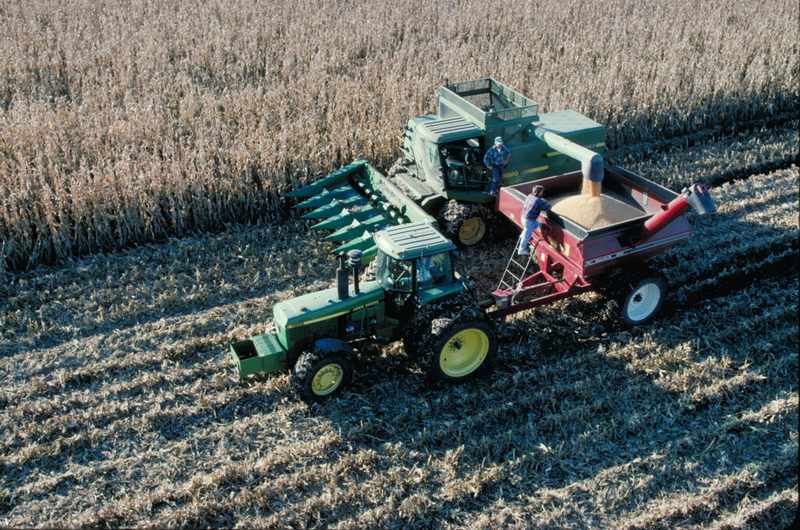
Harvest is nearly complete in Iowa. (Photo courtesy of USDA)
The growing season in Iowa has officially ended as all weather stations have reported having their “first killing freeze” of the season, according to the state’s weekly weather summary.
Farmers are nearing the end of harvest season according to the latest crop progress and condition report from the U.S. Department of Agriculture, which showed 84% of corn acres and 96% of soybean acres had been harvested as of the Nov. 9 through Nov. 15 reporting period.
Iowa Secretary of Agriculture Mike Naig said the frost ended “one of the longest growing seasons on record” for the state. USDA defines the growing season as the number of days between the last freeze in the spring and the first frost in the fall.
Despite the lower temperatures through the tail end of the week, State Climatologist Justin Glisan reported the statewide average temperature, at 42.6 degrees Fahrenheit, was more than 4 degrees above the normal for the reporting period.
In contrast to the prior reporting period when the state had more than triple the normal amount of precipitation, the most recent statewide average precipitation was less than one-tenth of an inch. That’s abnormally dry considering the normal of 0.44 inch for the period.
Precipitation was only logged in parts of east-central Iowa during the reporting period.
Soil moisture continues to remain adequate, according to the report. Topsoil moisture rated 77% adequate and subsoil moisture rated 80% adequate for the reporting period. The latest U.S. Drought Monitor map from Nov. 12 shows Iowa no longer has any regions with drought conditions.
Forecasts indicate Iowa is slated to have warmer temperatures through much of the coming week. Predictions from the Iowa Environmental Mesonet indicate soil temperatures will continue to fluctuate in the low 50s and high 40s through the end of the week.
Naig urged producers to wait for cooler soil temperatures to apply fertilizers. Soil temperatures below 50 have been shown to have lower fertilizer nitrification rates, which means less nitrate can run off of the field.
“With above average temperatures and moisture this fall, 4-inch soil temperatures are still hovering around 50 degrees in some parts of the state, and the warm weather is expected to continue over the next several days,” Naig said in a statement Monday. “Farmers should continue to monitor ISU’s Mesonet to determine when soil temperatures have reached ‘50 and falling’ in your county, and continue following nutrient application best practices this fall.”
An integrated crop management report from Iowa State University Extension and Outreach Monday noted Iowa rivers have “unusually high” nitrate concentrations this fall.
Agronomists in the report pointed to warm and wet conditions, some of the warmest and wettest on record, in September and October that caused warm, moist soils that produced “unusually large amounts” of nitrate.
Farmers can reduce nitrate losses, according to the ISU report, by considering soil test information and soil temperature when planning fertilizer applications, as well as planting cover crops and adding wetlands near their fields.
Des Moines, IA