Ferguson lays out wishlist for Congress after ‘breathtaking’ midterms
Nov 05, 2026 | 7:00 am ET
Description
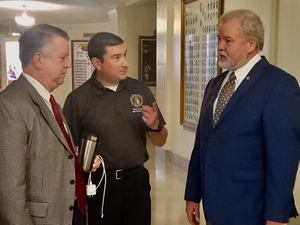
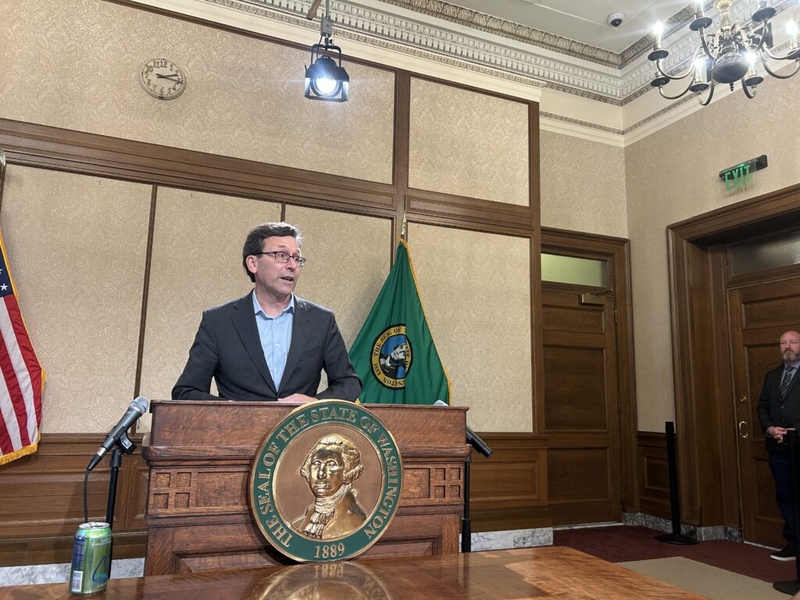
Washington Gov. Bob Ferguson discusses the midterm election results on Wednesday, Nov. 4, 2026, in Olympia. (Photo by Jake Goldstein-Street/Washington State Standard)
With Democrats now poised to retake both chambers of Congress, Washington Gov. Bob Ferguson wants action in the other Washington.
Speaking to reporters Wednesday, the first-term Democratic governor appeared jubilant about the results. Even with the defeat of an initiative to repeal the high-earners income tax he signed, the state faces a budget shortfall with a number starting in “b,” Ferguson said, while declining to share how many billions of dollars his budget team is expecting.
He’s hoping for some federal mitigation. So he’s got his list of priorities he wants the new Democrat-ruled Congress to deal with. He doesn’t need to check it twice, as Ferguson has been discussing all of these issues for over a year.
First is healthcare. Republicans in Congress last year dealt a major blow to federal Medicaid spending, which means hundreds of thousands of low-income Washingtonians could potentially lose their coverage. They also let federal subsidies for health insurance purchased through the Affordable Care Act exchange expire, raising premiums.
Various changes to federal Medicaid funding will mean the state taking on new costs that dent the budget here.
Sen. Patty Murray, a Washington Democrat, said last week that reversing these spending cuts is a priority for her. Murray is poised to be one of the most influential senators in Washington, D.C.
Second is immigration. President Donald Trump has pushed a growing crackdown on people here without legal status.
“Some sanity around immigration enforcement would be nice,” Ferguson said. “What’s going on with ICE is deeply un-American. ICE is completely and totally out of control, and something just has to be done.”
And third are Trump’s tariffs on imports from other countries. Washington, bordering Canada, is a state especially dependent on trade.
Ferguson also hopes the sudden cuts to grant funding by the Trump administration cease with a Democrat-held Congress.
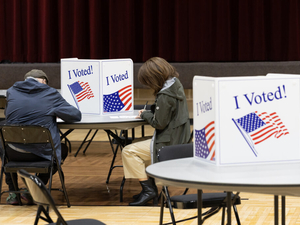
The tsunami, as Democrats are calling Tuesday’s results, is exceeding even their wildest hopes, as voters rebuke the president’s war in Iran and its effects on gas prices and other policies.
“Sort of breathtaking the breadth and width of the tsunami,” Ferguson said, citing wins in states Democrats thought they’d never achieve, like U.S. Senate and governor in Texas.
In December, Ferguson will propose his first two-year budget, which will be colored by a forecast of the state’s revenue later this month. This spending plan will face a “short-term challenge,” he said, but the income tax money will start arriving to state coffers in 2029, so long as it withstands a court challenge.
He sees “a true light at the end of the tunnel” starting in 2029 for Washington’s fiscal stability after Tuesday’s results.
In the next legislative session starting in January, the state House will likely feature a two-thirds supermajority of Democrats, which gives them the ability to pass bonds and advance constitutional amendments without Republican help. The state Senate’s majority also could widen, but not enough to earn that overwhelming power.
With a supermajority comes the ability to override a governor’s veto, like the one he continues to promise for any lowering of the million-dollar threshold for the income tax.
But Ferguson believes, with a smile on his face, “they would never do that to me.”
Olympia, WA