Democrats highlight healthcare affordability on campaign trail
Nov 02, 2026 | 6:32 am ET
Description
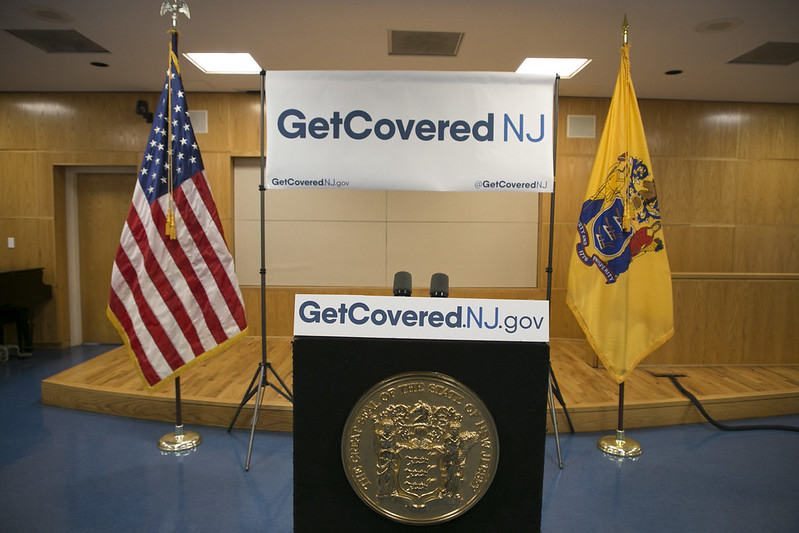
Enrollment in Get Covered NJ, the state's health insurance marketplace, began Nov. 1. State officials say help and funding are available, but rates have risen and federal subsidies have been cut. (Photo courtesy of Elizabeth Public Schools)
As Democrats hoping to regain control of Congress argue on the campaign trail that Republicans have let healthcare grow unaffordable, consumers seeking private insurance plans on New Jersey’s marketplace are finding rates have skyrocketed.
Enrollment in New Jersey’s health insurance marketplace began Sunday. The state Department of Banking and Insurance warned last month that the 2027 rates for plans sold through Get Covered NJ, the state’s marketplace, are set to increase nearly 20% on average over the current monthly cost, with policies sold through United Healthcare spiking nearly 36%.
Consumers can compare plan options in advance of purchasing them. People have until Jan. 31 to find a plan.
The rate hike comes after GOP leadership in Congress declined in 2025 to extend financial subsidies created under former President Joe Biden for the comprehensive commercial plans sold through the state and federal marketplaces created in the 2010 Affordable Care Act. President Donald Trump and the GOP objected to the cost of continuing this aid, estimated to total $335 billion over a decade.
Acting Department of Banking and Insurance Commissioner Susan Ochs called the funding changes “devastating,” and said New Jerseyans will lose nearly $500 million in tax credits as a result. That loss can already be seen in the lower enrollment numbers for 2026, she said, the first year-over-year decline in the program’s short history.
“The challenges are real, but so is our commitment to meeting them. Financial assistance is still available through Get Covered New Jersey, including our state subsidy and the remaining federal tax credits. Many consumers enrolling in coverage will still qualify for financial help, and we are working to ensure they have clear information, trusted assistance, and a path forward,” Ochs told the Senate health committee last week during a hearing about the impact of these federal changes.
The rising cost of healthcare coverage is driving up the number of people who are uninsured, studies show. More than 9% of New Jersey residents under age 65, when they can qualify for Medicare, now lack health insurance.
The lapsed subsidies have become a key talking point for Democrats on the campaign trail in advance of Election Day on Tuesday.
U.S. Sen. Cory Booker (D), who is seeking a third full term, raised the issue in a recent debate against Republican challenger Justin Murphy. Democrat Rebecca Bennett has made healthcare affordability a central theme in her push to unseat Republican Rep. Tom Kean Jr. in the highly competitive 7th District.
“He has voted to take healthcare away from tens of thousands of people in our district,” she said at a recent campaign event in Rahway.
Harrison Neely, a spokesperson for Kean, said it is Bennett who has reduced access to care as an executive with several health technology firms.
“She made hundreds of thousands in corporate healthcare while partnering with companies accused of putting profits over patients,” he said.
New Jersey funds subsidies for lower-income consumers on its marketplace, and aid is available for those who earn nearly $96,000 annually for an individual or close to $164,000 for a family of three. Those figures are equal to 600% of the federal poverty level.
With less federal assistance, the percentage of people paying just $10 a month for plans fell from 48% in 2025 to 11% this year, the department said. The average cost of a Get Covered plan without subsidies is now nearly $724 a month, Ochs said. Other federal changes set to take effect in January will limit subsidies for noncitizens.
“Rising premiums, reduced financial assistance, and shifting eligibility requirements are sowing confusion and forcing families to make difficult choices about their health care and their household budgets,” Ochs told lawmakers.
It’s a concern New Jerseyans know well. Three in four people here said they worried about affording healthcare in the future, according to a survey by Healthcare Value Hub in July, and nearly two-thirds said they had delayed or skipped care because of cost sometime in the past year.
The rate hikes approved in New Jersey outpace the 15% average increase nationwide, said Laura Waddell, the healthcare program director for advocacy group New Jersey Citizen Action, and come after double-digit rate hikes last year.
Waddell said the price hike is a “double whammy” after subsidies were slashed, which had put the cost of care within reach for millions nationwide.
Federal funding cuts to Medicaid are also expected to force as many as 330,000 New Jerseyans off of NJ Family Care and reduce funding for hospitals, doctors, public health programs, and more by up to $6 billion annually.
The Medicaid cuts have also been a target for Democrats this fall.
Zack Mullock, a Democrat seeking to unseat Rep. Jeff Van Drew (R) in South Jersey’s 2nd District, highlighted Van Drew’s vote to cut Medicaid funding in a Facebook ad that features video of the Republican disputing that claim. Van Drew has defended his vote, saying that people who are eligible will still have access to Medicaid coverage.
To ease Obamacare enrollment this year, the state provided $5 million to 33 organizations — healthcare clinics, disability advocates, faith and community groups, including New Jersey Citizen Action — so they can help people find the right plan, collect the documents they need, and navigate the sign-up. Assistance is available in 10 languages.
“We will continue doing everything we can to help eligible New Jerseyans understand their options, get assistance and most importantly, get the coverage and care they need,” Ochs said.
Enrollment in New Jersey’s marketplace nearly doubled after its first full year of state operation in 2021, from nearly 270,000 consumers that year to more than 513,000 in 2025, department data shows.
But that trend reversed this year, when about 509,000 had signed up for 2026 plans. By the end of June, enrollment dropped to 434,700.
Consumers have also shifted away from gold and silver-level plans, which have higher monthly payments but lower out-of-pocket costs. Interest in bronze plans, which have lower monthly rates but skimpier benefits, doubled between 2025 and 2026, data shows.
Trenton, NJ