NJ Assembly OKs bills expanding human trafficking protections and enforcement
Oct 29, 2026 | 3:50 pm ET
Description
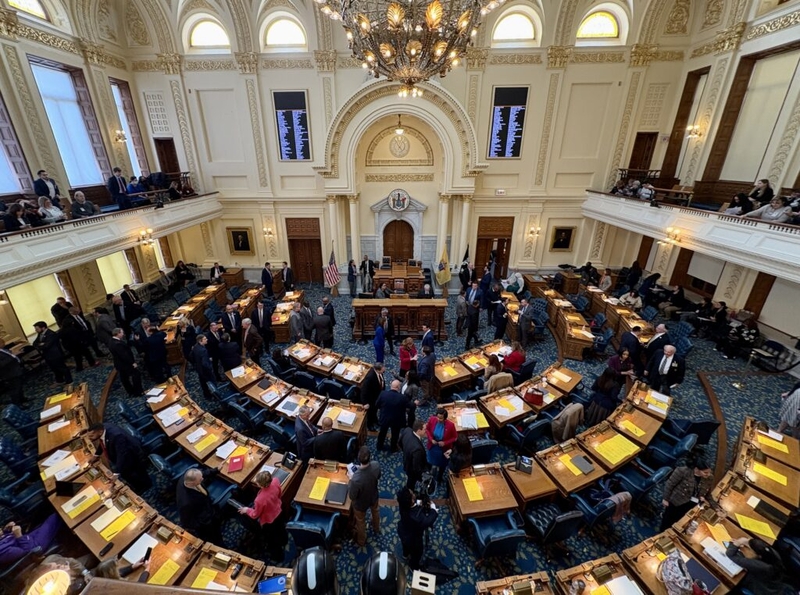
Three months after cops rescued 100 victims and arrested 71 offenders, New Jersey lawmakers passed nine bills to bolster human trafficking protections. (Photo by Dana DiFilippo/New Jersey Monitor)
New Jersey lawmakers approved nine bills Thursday that would expand penalties for human traffickers, protections for victims, public education efforts, and training for truckers and police on how to spot and stop human trafficking.
The measures are meant to crack down on a growing crime that’s typically underreported and hard to detect, with New Jersey considered vulnerable due to its dense population and location along the I-95 corridor.
The bills come three months after human trafficking investigators rescued almost 100 suspected victims and arrested 71 offenders during the World Cup soccer tournament held over the summer in East Rutherford.
One of the most impactful bills would eliminate the statute of limitations for criminal prosecutions and civil lawsuits involving human trafficking and aggravated sexual contact, which now stands at five years in New Jersey.
Bill sponsor Assemblyman Sterley Stanley (D-Middlesex) called the change “long overdue.”
“This is not nearly enough time for someone to process such immense trauma, let alone be able to address it through the legal system. Some may not even understand they were a victim of human trafficking or aggravated sexual contact until long past five years and may have been children at the time of the crime,” Stanley said. “By increasing the amount of time victims have to bring charges against those who have harmed them, we give victims a better tool to seek the justice they rightly deserve.”
Another measure would toughen penalties for people who promote prostitution and create new crimes, making it a second-degree offense to lead a prostitution network and a third-degree crime to participate in one.
A third bill would expand penalties for patrons of prostitution, with fines going to victim assistance funds.
“Enhanced penalties for being a patron of prostitution is a critical way to decrease the demand for this harmful and illegal industry,” bill sponsor Assemblywoman Carol Murphy (D-Burlington) said in a statement.
Other measures would expand criminal and civil penalties for human trafficking and training requirements for law enforcement; require commercial truckers to be trained on how to spot and stop trafficking; mandate that signs advertising a human trafficking hotline be displayed in gas stations, nail salons, staffing agencies, and more; and require public awareness signs to be in Chinese and Korean.
Another bill would require the state attorney general to review statewide policy on human trafficking. The directive now in place dates to 2012.
Stanley’s bill to eliminate the statute of limitations now heads to the governor’s desk, because the Senate unanimously approved it in June. Most of the other bills await votes before the full Senate or in the Senate’s judiciary or law and public safety committees.

Trenton, NJ