Citizens’ group wants tolls, tax on rich to finance property tax relief
Oct 26, 2026 | 2:18 pm ET

Description
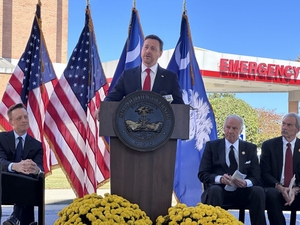
Photo courtesy of CT Mirror
This story has been updated.
A citizens’ group called Monday for Connecticut to impose interstate highway tolls and a surcharge on millionaires’ earnings to finance billions of dollars in local property tax relief, including repeal of the municipal motor vehicle levy.
The Connecticut Citizens’ Assembly on Property Taxes also recommended new incentives to promote school regionalization and shifting billions in local special education costs onto the state.
But the group’s most sweeping proposals likely will draw strong opposition from both sides of the political aisle, including from the state’s gubernatorial candidates. And the tolling proposal also could require an overhaul of state budgeting practices and possibly an amendment to the state Constitution.
“It is well known that Connecticut’s property tax system is complex, inequitable and in desperate need of reform,” the assembly wrote in a report released Monday. “To this end, our evidence-based recommendations seek to succeed where all other attempts have fallen short.”
Dawris Gomez of Bridgeport, one of several assembly members who presented the plan during an online press conference, said it involves “solutions designed by everyday citizens who live with the consequences of our property tax burden, and it’s backed by an overwhelming consensus of our members.”
Imposing tolls to send big dollars back to towns
The 98-member assembly, created last July by the Connecticut Conference of Municipalities and by researchers from Yale and the University of Connecticut, wants to revive a tolling plan like what Gov. Ned Lamont pitched — unsuccessfully — shortly after taking office in 2019.
The panel said it believes tolls on interstate highways could generate as much as $950 million yearly.

At the same time, citizens said Connecticut should repeal cities and towns’ ability to tax motor vehicles. And to ensure communities don’t replace the lost revenues, which would also be around $950 million per year, by simply raising property taxes on residences, businesses and equipment, the toll receipts should go to municipalities to keep local budgets whole.
And while Connecticut residents would receive 100% of the benefit from canceled motor vehicle taxes, the group estimated that 40% of the toll revenue would come from out-of-state drivers.
“That is significant,” said assembly member Elliot Weiler, a media executive from Westport, “because it does create an opportunity for [non-resident] people who use Connecticut’s roads to help pay for the infrastructure.”
The political hurdles such a plan would face are daunting.
The 2019 General Assembly wouldn’t support Lamont’s tolling plan, and one year later lawmakers also balked at a more limited plan to toll only large commercial trucks. They did pass a more modest mileage fee on trucks in 2021.
But before such a plan could even run the political gantlet, it would have to navigate a maze of legal barriers.
The assembly recognized that federal law requires tolling revenues to be used for transportation purposes. In other words, tolling dollars would have to go into the state budget’s Special Transportation Fund.
But while the citizens’ group noted this would free up other revenues in the $2.4 billion STF, such as fuel and sales tax receipts, to finance repeal of local car taxes, it isn’t that simple.
Connecticut voters in 2018 overwhelmingly ratified the so-called “lock box” constitutional amendment that prohibits redirection of STF receipts outside of the fund.
Legislators could begin the process of repealing the lock box by initiating a new amendment, but that wouldn’t go before voters until 2028.
Taxing millionaires and shifting special education costs onto the state
The assembly said tolls aren’t the only way to ease burdens on local taxpayers.
The panel suggested at least a 1 percentage point state income tax surcharge on high incomes, saying Connecticut could raise considerable revenue this way and reverse worsening income and wealth inequality.
“There has been a growing sentiment among the public and policymakers that wealth is an untapped source of public revenue, supported by public infrastructures and the inequities of the current system, which can be more effectively utilized to offset the property tax burden,” the report states.
“There was definitely a lot of conversation around wealth of income,” said assembly member Carly Tuthill, a new homeowner from Litchfield. She added the proposal was backed by more than two-thirds of the group, which was crafted by researchers from Yale and the University of Connecticut to closely mirror the state’s adult population.
The lowest earning 10% of Connecticut workers effectively lost 40% of their income to state and municipal tax burdens in 2022, according to the most recent tax fairness study, done in late 2025 by the Department of Revenue Services. The middle three deciles lost 16% to 20%, and the highest-earning decile lost just 10.6%.
Both Lamont, a Democrat, and GOP gubernatorial nominee Ryan Fazio have said they oppose raising state income tax rates on the highest earners, arguing it would prompt many to flee the state. The Republican minority in the General Assembly and many moderate Democratic lawmakers also oppose such a tax.
Still, a recent poll commissioned by The Connecticut Project, a nonprofit research and policy group, found 76% support “increasing taxes on millionaires and billionaires.”
And though Fazio didn’t comment on any specific group proposals Monday, he did say the report demonstrates “Connecticut residents are struggling to afford to live in our state, and after eight years under Gov. Lamont, these problems have only gotten worse. … I may not agree with every recommendation, but nearly 100 residents spent months telling Hartford we need a change in direction. Their voices deserve to be heard.”
A spokeswoman for Lamont’s reelection campaign, Lauren Gray, said, “the governor appreciates the Connecticut residents who volunteered to think big in how we can evolve our property tax system. As the report notes, the underlying issues are complex, and there are competing priorities and challenges.”
Gray added that “with the proposal now on the table, he looks forward to hearing from municipal leaders and learning whether these recommendations reflect their priorities and ideas.”
Still, tax fairness isn’t the only thing on local taxpayers’ minds, assembly members said.
Cities and towns currently bear about two-thirds of the $3.3 billion cost of special education services statewide each year, an expense crippling many local school budgets.
The citizens’ assembly recommends the state bear the full cost, which would involve far more than an income tax hike on high earners would generate.
State Senate Democratic leaders offered an income tax surcharge in 2025 that would raise about $420 million annually, and it included singles earning more than $250,000 per year and couples topping $500,000. The full legislature and Lamont left the proposal out of the final state budget adopted two years ago.
The citizens’ group noted that to assume billions of dollars in new special education costs, the state also would have to radically change fiscal practices it’s followed since 2017.
Connecticut has used aggressive budget caps to force unprecedented surpluses averaging more than $1.8 billion annually since then, cushions equal to 8% to 9% of the General Fund. Officials have used those surpluses to build reserves and shrink state pension debt, which still exceeds $30 billion and represents one of the largest burdens, per capita, of any state.
But critics say the state has been too aggressive in saving to shrink pension debt and that these forced surpluses have come at the expense of education, municipal aid and other core responsibilities of state government.
Incentives to regionalize and shifting sales tax receipts to towns
The citizens’ assembly says Connecticut also could reduce education costs if more school districts were to combine services on a regional scale. But members stopped short of endorsing mandated regionalization, instead recommending a new state commission be formed to craft incentives and other plans to encourage change.
Other proposals from the assembly include:
- Shifting half of the $110 million the state collects annually from a 1% sales tax surcharge on prepared meals to cities and towns to ease tax burdens. The 2019 legislature, which approved the surcharge, briefly considered giving the funds to municipalities before assigning them to the state’s budget. The plan also would send about 47% of the more than $160 million raised annually through the 15% tax on hotel stays to municipalities.
- Increasing the state’s $2.5 billion Education Cost Sharing program — the chief operating aid for local school districts — each year to compensate for inflation.
- Barring future state mandates on cities and towns from taking effect until one year after passage to allow communities to better plan for added costs.
- Creating an independent, nonpartisan Council on Local Mandates to provide legislators with cost estimates for new mandates imposed on cities and towns.
- And reevaluating the Connecticut grant program that reimburses municipalities for some of the revenues they lose because the state exempts hospitals, private colleges and universities, and state property from local taxation. Legislators also are being asked to consider ending or limiting exemptions for certain groups. Critics say the current system of nonprofit exemptions force communities to overtax residents and for-profit businesses to support local budget. “It’s not very nonprofit if the residents have to foot the bill, right?” Gomez said.
Hartford, CT