My sentence isn’t the end of my story
Oct 23, 2026 | 6:45 am ET
Description
(Getty Images).
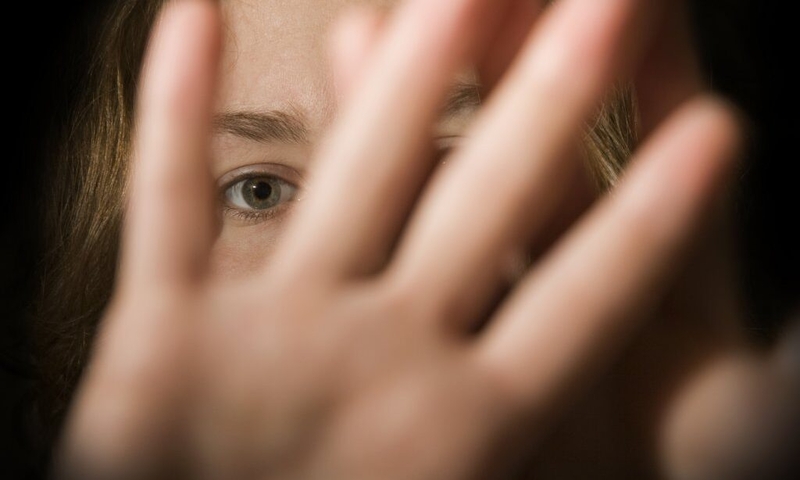
When I was pregnant, my ex-husband pinned me against a wall. I was afraid he would kill me.
I survived that violence. I also have a felony conviction. And those two parts of my life cannot be separated.
My ex-husband and I often used methamphetamine together. Our drug use led to countless arguments, and I endured repeated physical and emotional abuse. When I tried to stay sober, he pressured me to use drugs with him.
Once, while I was sober and he had relapsed, he trapped me in the bedroom of our trailer. For hours, he paced back and forth with a bat, screaming in my face and threatening me.
When someone has that much power over your life, saying no doesn’t always feel safe. At times, I believed my choices were to use drugs or face more violence. I made decisions I regret, but I made them while living in fear.
My methamphetamine use eventually led to my arrest and felony conviction.
I understand that I should be held accountable for the crimes I committed. But accountability and understanding are not mutually exclusive. When the court system ignores the circumstances surrounding a crime, it fails to recognize the full story.
In court, I tried to explain how domestic violence had influenced my decisions. But I felt the judge gave little consideration to what I had endured. I believe that if my abuse had been taken seriously, I might have had a better chance to enter a treatment program, get away from my husband and find sobriety sooner.
Today, I celebrate eight years of sobriety and a home free from abuse. I have earned credentials in addiction counseling and peer support. My life is very different from what it was then, but my conviction remains part of my story.
And my experience is not unique.
Missouri Appleseed, a nonprofit advocating for criminal justice reform, has documented the experiences of women whose abuse and coercion contributed to crimes that led to incarceration.
The organization is championing the Missouri Survivors’ Justice Act, which would give survivors a meaningful opportunity to present evidence of domestic violence or coercion during sentencing.
If abuse contributed to someone’s crime, judges should be required to take those circumstances into account when determining an appropriate sentence.
A version of the legislation advanced out of a Missouri House committee earlier this year but did not become law. Advocates plan to renew the effort during the 2027 legislative session.
This proposal isn’t about allowing survivors to escape accountability. It’s about recognizing that someone can be responsible for a crime while also having been a victim of violence that influenced their actions.
Domestic violence can affect every part of a person’s life, including their ability to make choices, seek help and escape dangerous situations. The justice system should recognize that reality rather than treating every crime as though it occurred in a vacuum.
As we observe Domestic Violence Awareness Month, I hope Missouri lawmakers will listen to people who have experienced both abuse and the criminal justice system.
I am not asking for my past to be erased. I am asking for the circumstances that shaped it to be understood.
My felony conviction is part of my story. It should never be the only part that matters.
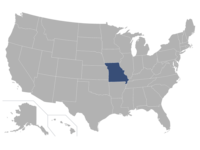
Jefferson City, MO