Proposed grazing rules would hurt Western cattle ranchers
Oct 23, 2026 | 5:30 am ET
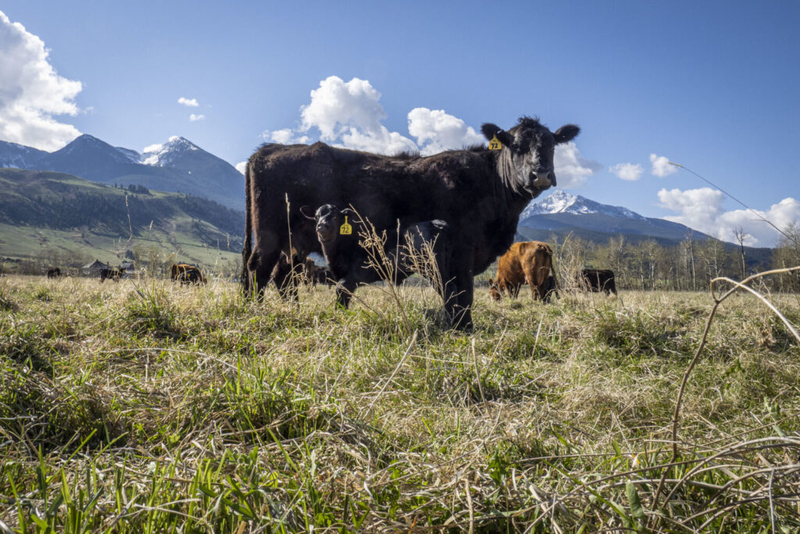
Description
(Photo by Preston Keres/USDA)
A wave of new rules and proposals from the current federal government pose a severe threat to the health of public lands used for grazing livestock.
The federal agencies that manage public lands say they are trying to help American ranchers by bolstering the country’s dwindling cattle herd, which is at record low levels. In actuality, their efforts will neither meaningfully support U.S. beef producers nor lower beef prices for Americans. Instead, they will harm wildlife and undermine sustainable mana
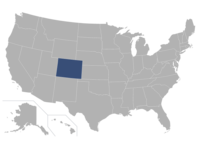
More than 70% of public land managed by the Bureau of Land Management and the U.S. Forest Service in the contiguous United States is available for grazing livestock. That is about 345 million acres, or a land area twice the size of Texas. In Colorado, 7.8 million acres of BLM land can be grazed and at least a million more of National Forest land.
Grazing allotments managed by the BLM and Forest Service are or will be affected by updated grazing rules, by the rescission of the Biden-era Conservation and Landscape Health rule, by revoking grazing permits for bison, various memorandums of understanding, directives, and plans to guide policy, and more. These changes will primarily impact the western U.S., where federal land is concentrated. The proposed rules are supposed to ease “unnecessary regulatory burdens,” and “promote productive working lands,” yet rules for grazing on public land are already extremely lenient. Ranchers receive 10-year leases for grazing that are often automatically renewed and cost about 20 times less than grazing on private land.
Grazing livestock is one of the leading causes of public land degradation in the West. The BLM has classified at least 37 million acres of land as degraded from overgrazing, including nearly 2.5 million acres in Colorado. Livestock grazing depletes
For decades, conservation nonprofits have partnered with ranchers to retire grazing allotments that are particularly important for wildlife or especially degraded, thereby giving the land a chance to regenerate. Now, conservation is not considered a valid, co-equal use of grazing allotments. The BLM is seeking to put livestock back on the 24 million acres of land that have been intentionally vacated. The BLM is also proposing to significantly restrict the public from participating in government de
Grazing on public land contributes very little to the supply of beef in the U.S., and doesn’t meaningfully impact beef prices, yet it is highly subsidized. It’s estimated that less than 2% of cattle in the U.S. are grazed on public lands. Ranchers pay a small fee of $1.69 a month per cow (with or without a calf). In 2024, grazing fees generated just under $13 million and the cost of administering the program exceeded $100 million. This discrepancy amounts to a lucrative subsidy for a very small number of cattle ranchers: Two-thirds of public land grazing permits are leased to just 10% of U.S. ranchers. Some of these ranchers are extremely wealthy. The multibillionaire owner of the Denver Nuggets, for example, enjoys subsidized use of public lands that can accommodate 9,000 cows in Nevada.
Some small-scale ranching operations rely on grazing public land to make ends meet, but the Trump administration’s efforts won’t solve the worst challenges plaguing the industry. That’s because perhaps the greatest existential threat to ranchers in the Western U.S. is increasing aridity caused by climate change. Persistent drought reduces the availability of forage on public land and decreases yields of alfalfa and other feed crops — making it more expensive to raise cattle. That, combined with more frequent wildfires, dried up streams and hotter summers harms ranchers that rely on public land far more than public comment or conservation efforts ever have.
The proposed updates to public land grazing are misguided in their attempt to undermine the few meaningful programs in place to manage public grazing allotments sustainably. Ignoring the impact that climate change and drought have on cattle ranching in the West won’t make those issues go away. In fact, as time will tell, the opposite is true. Our treasured public lands will not be able to support livestock indefinitely, and by the time cattle are forced off the land, it may be unfit for wildlife, and the rest of us, too.
Denver, CO