Proposed legislation would close ‘voluntary intoxication’ loophole in WV sexual assault law
Oct 23, 2026 | 6:00 am ET
Description
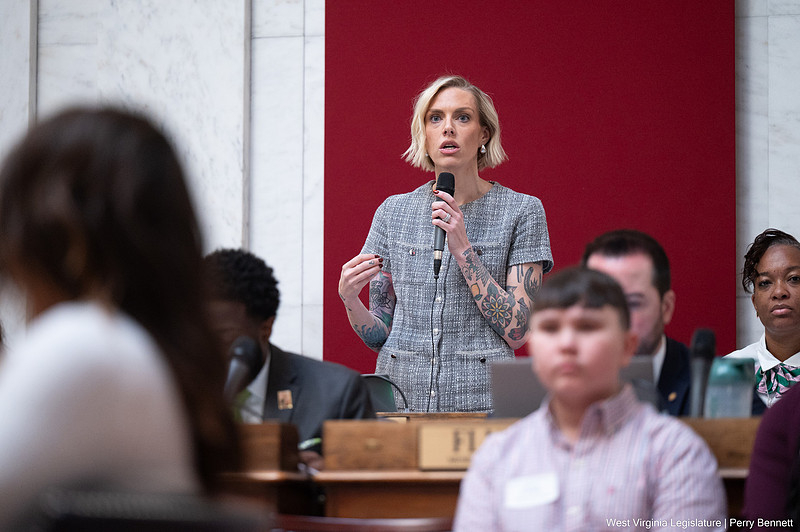
Del. Kayla Young, D-Kanawha, plans to introduce legislation that would amend state law concerning sexual offenses. (Photo by Perry Bennett/West Virginia Legislative Photography)
After a high-profile rape case at Cornell University highlighted what she considers a loophole that fails victims, a West Virginia legislator is joining lawmakers in 15 other states to change laws regarding sexual violence.
Del. Kayla Young, D-Kanawha, says she’ll introduce a bill during the 2027 legislative session that would amend the definition of “mentally incapacitated,” which is one element of a lack of consent in state code concerning sexual offenses. The new definition would include being incapable of consenting because of voluntarily being under the influence.
Currently, the definition requires that the person is incapacitated because a substance was given or administered to them without their consent.
Young is one of 21 women lawmakers across the country who are pushing to amend sexual consent laws after a woman at Cornell University alleged in a lawsuit she had been gang raped by seven men after being pressured into snorting ketamine, smoking marijuana and drinking alcohol at a fraternity house in 2024.
At the time, a local prosecutor declined to bring criminal charges against the men. New York is one of 19 states with rape laws that have “loopholes” for voluntary intoxication. New York governor Kathy Hochul appointed state attorney general Letitia James as a special prosecutor in the case earlier this month.
The lawmakers are associated with Vote Run Lead, an organization that trains women to run for office.
Young said when the Cornell sexual assault happened, it was apparent through the case’s prosecutor that there’s a legal loophole for people who are sexually assaulted if they’re consuming alcohol or another substance voluntarily.
“When the Cornell sexual assault occurred, it became very clear through the prosecutor that was originally on that case, that there is a legal loophole for people who are sexually assaulted, that if they were consuming alcohol or any sort of substance voluntarily, like at a party having a drink or something, consent laws don’t really capture that,” Young said. “They only capture involuntary consent.”
“It’s good that they have involuntary consent,” she said. “But adults sometimes have a drink or something, and that doesn’t mean that that they should not be taken care of when they’re victims of sexual assault.”
In 2024, state lawmakers passed a bill that removed a marital exception from the state’s sexual assault law. Former Gov. Jim Justice signed the bill into law.
Young said it’s incredibly important that lawmakers address the voluntary intoxication loophole.
“We want to make sure that victims are as protected as possible,” Young said. “And I think that this is an accidental loophole, but it’s something that we can fix. And states have been trying to fix it around the country, and so we just need to get in line with the rest of the states to make sure that intoxicated people are still protected, because it shouldn’t be more difficult for them to pursue criminal charges.”
Young said she does not have any co-sponsors for the proposed bill as of yet, but she’s hoping to work with Republicans.
“I’m hoping it will be bipartisan because it seems like common sense to me,” she said. “And in the past, when I’ve tried to close criminal loopholes, I’ve had bipartisan support. So I’m hopeful I’ll have that again.”
West Virginia’s 2027 legislative session is set to begin Wednesday, Jan. 13, 2027.
Charleston, WV