Much of southern New Mexico a designated screwworm ‘infested zone’ as USDA reopens cattle imports
Oct 22, 2026 | 6:13 pm ET
Description
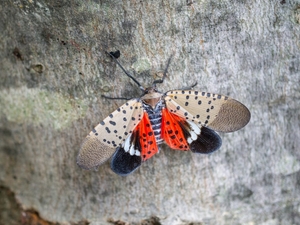
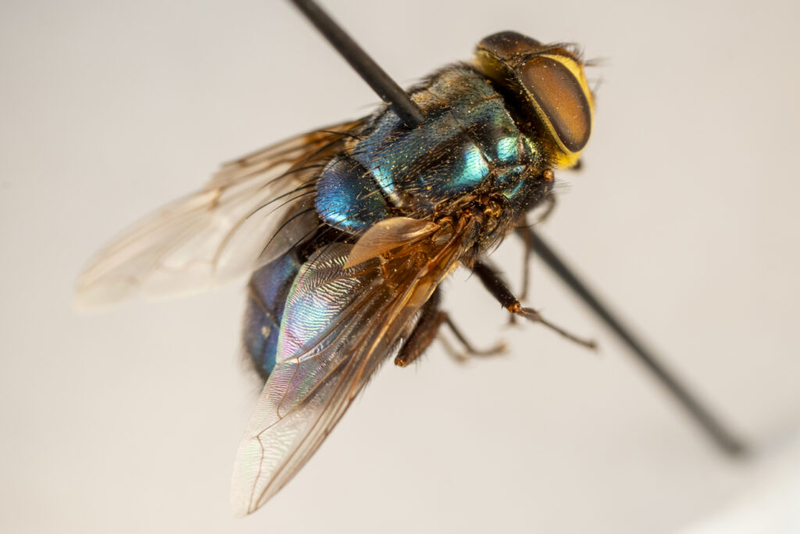
Three confirmed New World screwworm cases detected the week of Oct. 16, 2026, have left much of southern New Mexico in an “infected zone” as designated by the New Mexico Livestock Board. (Photo courtesy of Michael Miller/Texas A&M AgriLife)
Three confirmed New World screwworm cases in recent weeks in New Mexico have left swathes of the state’s southern border under a state-designated “infested zone,” which demarcates where ranchers must receive state Livestock Board authorization before moving their cattle.
The zones span much of southern New Mexico, according to an interactive map the state publishes online, including the bootheel in southwest New Mexico and an area east of Las Cruces. The zones are aimed at preventing further spread of the New World screwworm, a parasitic fly whose maggots feed on live tissue.
The discovery last year of the screwworm’s reemergence has raised widespread concerns for the cattle industry across much of Mexico, along with New Mexico, Texas and Arizona.The fly advanced northward through Mexico after being mainly contained in Central America for several decades.
Over the last week, the state Livestock Board has announced three confirmed infections, including of a calf and horse in Grant County on Oct. 16, followed by an Otero County cow on Wednesday.
“We are working closely with our state and federal partners to investigate these cases, increase surveillance and monitor for additional infestations,” State Veterinarian Samantha Holeck said in a statement Wednesday.
Holeck’s announcement notes that incoming cold weather may slow the screwworm’s spread but not completely eliminate it, so she and other state officials urged livestock owners to remain vigilant and keep an eye out for infections in their animals.
The reported infections come days before the United States Agriculture Department has authorized two New Mexico ports of entry along the state’s shared border with Mexico to resume accepting some livestock imports.
The ports at Columbus and Santa Teresa accepted approximately one-third of all the nation’s cattle imports until screwworm concerns prompted their closure last July.
New Mexico border officials say New World screwworm outbreak hitting state hard
The prohibition on cattle imports meant a halt to a $1.3 billion industry, according to authority officials, and is hitting the Columbus, N.M. port of entry particularly hard. Mexican cattle growers ship approximately 300,000 cattle through Columbus and Santa Teresa ports of entry each year, according to the New Mexico Border Authority.
On Tuesday, USDA Secretary Brooke Rollins visited Columbus to announce the Columbus port would resume accepting cattle Oct. 26 and that the Santa Teresa would resume accepting horse imports that same day.
In a statement touting its “phased” reopening, the USDA said it would consider reopening another port of entry in Nogales, Ariz., “if conditions continue to support safe trade and all required inspection arrangements and infrastructure are in place.”
Santa Fe, NM