After Ole Miss student deaths, Mississippi lawmakers eye tougher restrictions on kratom
Oct 22, 2026 | 11:31 am ET
Description
Photo courtesy of Mississippi Today
Audio articles are automated for accessibility. Humans wrote and edited the story; however, this audio has not been reviewed for accuracy and may contain errors. Read more about how we use AI to increase access to our reporting.
Mississippi lawmakers are considering legislation to ban sales of synthetic kratom products after the deaths of two University of Mississippi students.
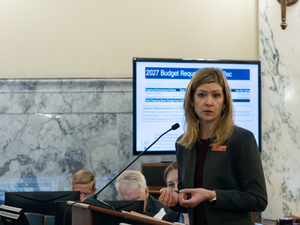
Rep. Lee Yancey, a Republican from Brandon, is considering legislation to ban synthetic kratom products, while Sen. Nicole Boyd, a Republican from Oxford, wants to give state officials authority to temporarily remove potentially harmful substances from store shelves. Other officials, including Lt. Gov. Delbert Hosemann and State Health Officer Dan Edney, have called for tighter restrictions.
The renewed discussions follow the Sept. 21 deaths of Aidan Hamilton, 18, and Robert Strang, 20, in separate incidents in Oxford. Investigators discovered kratom products while examining the students’ deaths, and federal authorities have since charged a store clerk and his son with selling illegal kratom.
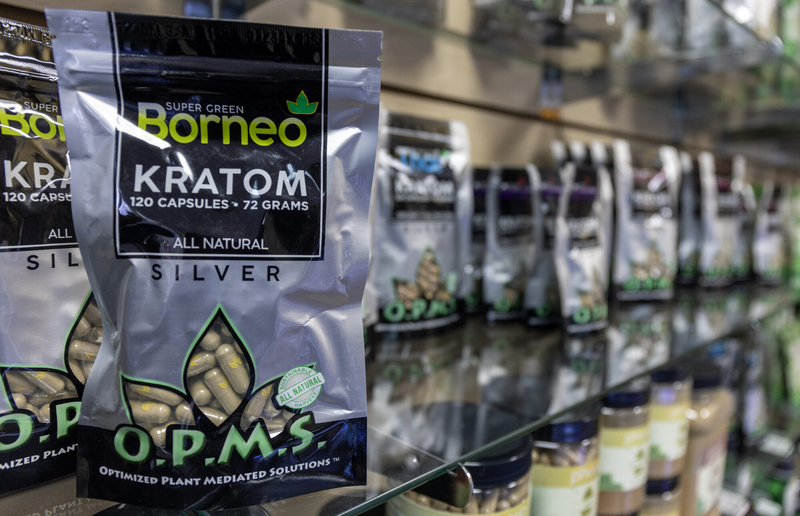
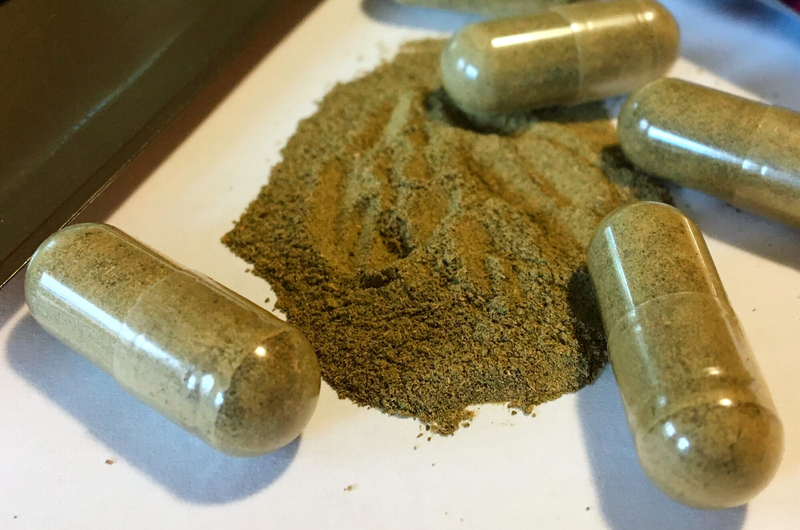
Kratom comes from a tropical tree native to Southeast Asia. Its effects can vary by dose, producing stimulant-like effects at lower doses and opioid-like effects at higher doses. The substance is sold in gummies, tablets and drinkable shots, mainly at gas stations and convenience stores.
At Ole Miss, officials have been encouraging students to use drug education and wellness services and resources from the university’s William Magee Center, said Jacob Batte, a university spokesperson.
Hosemann called for a statewide ban in an op-ed the Magnolia Tribune published this month.
A law already restricts access to kratom. In 2025, Gov. Tate Reeves signed a bill into law prohibiting kratom sales to anyone younger than 21 and outlawing a synthetic form of the substance.
Yancey, who authored the 2025 law, said he believes synthetic forms are the most dangerous. There needs to be another layer of protection for consumers, he said.
The state Senate has been reluctant to ban the products, Yancey said, so he’s also exploring legislation that would classify kratom as controlled substances and ban over-the-counter sales.
Boyd said she is considering introducing a bill that would give a state agency, such as the state Board of Health, authority to temporarily remove potentially harmful products from store shelves until lawmakers could take further action. Lawmakers would need to determine whether violations would result in administrative penalties or criminal charges, what testing would be required and how much enforcement would cost.
“We’re all looking and thinking through the steps that need to be put in place and in a comprehensive way to get these poisons off our shelves and make sure it isn’t getting to students and our youth,” Boyd said.
The Legislature has been discussing kratom bans for more than six years, and simply passing another law wouldn’t be a magic bullet, said Sen. Daniel Sparks, a Republican from Belmont. Banning one substance could prompt manufacturers to sell similar products under different names, Sparks said.
Some Mississippi communities are already enforcing their own restrictions on kratom. Sales and possession of kratom have been prohibited in Oxford since 2019. Lafayette County has had a local ban in place since January 2021. A Sept. 30 statement from Lafayette County Metro Narcotics Unit called on lawmakers to ban synthetic kratom in statewide.
Edney said he supports classifying kratom leaf as a schedule III controlled substance.That’s what the lawmakers did in 2023, with a law categorizing tianeptine also known as “ZaZa” and “Tianaa,” with other drugs such as ketamine and anabolic steroids.
“I think we can all agree that any potentially addictive substance, that’s even beneficial in other ways, at least needs to be determined safe,” Edney said. “And, right now we can’t say the kratom supply in the state of Mississippi is safe.”
Taylor Vance and Gwen Dilworth contributed to this report.
Jackson, MS