DOJ to send election monitors to seven Michigan communities
Oct 22, 2026 | 2:31 pm ET
Description
After sending federal monitors to three Michigan cities for the primary election, the U.S. Department of Justice will once again send monitors to observe elections on Nov. 3, according to state officials.
After sending federal monitors to three Michigan cities for the primary election, the U.S. Department of Justice will once again send monitors to observe elections on Nov. 3, according to state officials.
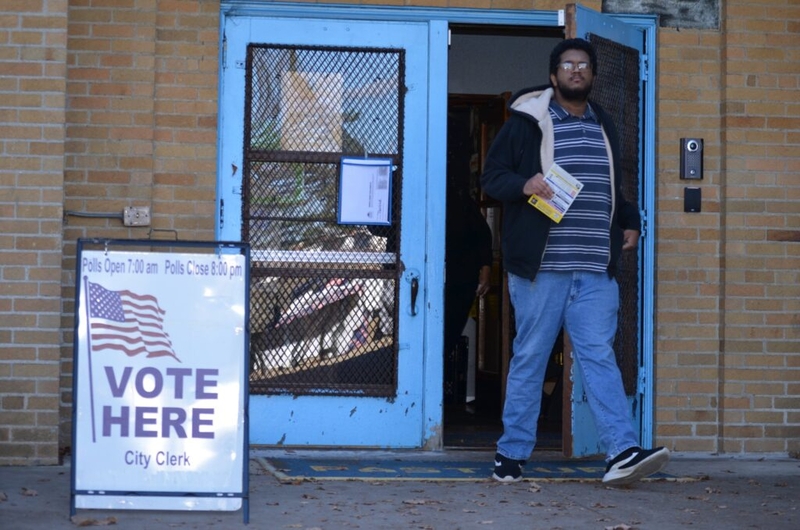
Michigan Attorney General Dana Nessel on Thursday issued a news release stating that seven Michigan communities had received notices from the Department of Justice that federal monitors would be sent to their polling places on Election Day.
Those communities include Detroit, East Lansing, Flint, Grand Rapids, Hamtramck, Lansing and Warren.
“The law provides specific parameters that allow monitors, observers and challengers to witness elections at local polling places,” Nessel said in a statement. “It’s important for residents to know that DOJ monitors are a standard part of our election process, and we anticipate they will comport with state and federal law just as they did in this year’s August Primary. But make no mistake, my office stands ready to hold accountable those who attempt to unlawfully interfere with or intimidate Michigan voters or election workers, regardless of who they may be.”
Deputy Secretary of State Aghogho Edevbie said Michigan has hosted federal election monitors before, and the state’s election clerks are well prepared.
“State and local election officials have been in regular contact with DOJ about their plans for this election,” Edevbie said. “As always, we will follow the law, and we expect all monitors, observers, and challengers to do the same. Voters can cast their ballots with confidence and know that our Department remains fully prepared to protect and defend their right to vote.”
Michigan Gov. Gretchen Whitmer also issued a statement ensuring that Michigan’s elections are secure and that the presence of federal election monitors is an expected part of the process.
“Election officials here work year-round to ensure every eligible voter can cast a ballot and the same continues to be true ahead of Nov. 3rd,” Whitmer said.
Unless allowed further access by the local clerk, federal monitors will observe from 100 feet away from the entrance to a polling place, though clerks often have them come into the polling place.
Election officials told Votebeat Michigan, the monitors overseeing Michigan’s primary election were “polite and unobtrusive.”
Congressional leadership can also send individuals to monitor locations where U.S. House or Senate candidates are on the ballot. Those individuals are selected by congressional leadership and approved by the president’s administration.
Unlike the DOJ’s monitors, these individuals are granted full access to observe the areas where ballots are cast, processed, tabulated, audited or certified before and after the election. However they cannot handle ballots or election equipment, interfere with voters and election administrators, or take any action that would reduce ballot security or voter privacy.
Lansing, MI