NextEra has not earned our trust
Oct 19, 2026 | 2:55 pm ET
Description
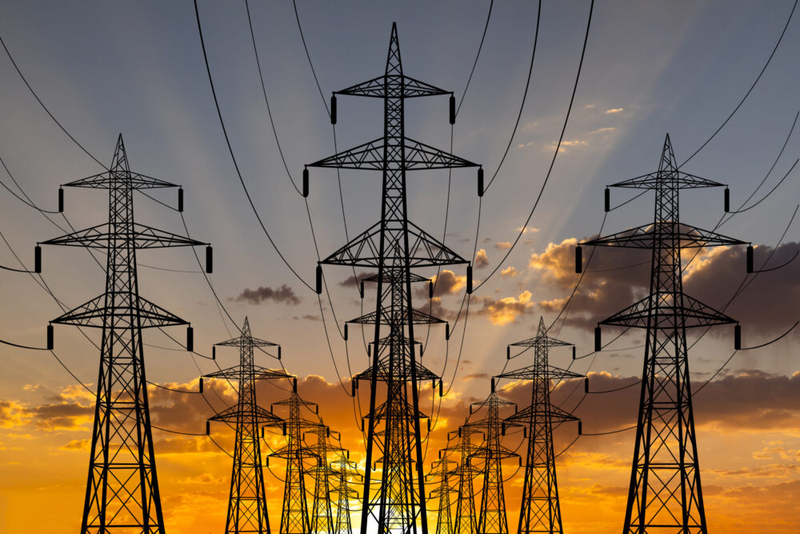
The proposed merger of NextEra Energy and Dominion Energy would create the world's largest regulated electric utility. (File photo by Anton Petrus/Getty Images)
Last week the CEO of Florida-based NextEra, John Ketchum, appeared before the South Carolina State Regulation of Public Utilities Review Committee to offer comments on the proposed merger of his company and Dominion Energy.
If approved, the $67 billion merger would create the largest utility in the nation.
I and my small business organization have 24 years of experience with utility rate cases and have worked to protect small business and residential ratepayers from unnecessary rate increases.
I am very concerned about some troubling comments that Ketchum made.
He emphasized throughout the meeting that South Carolina needs more power and massive investment in energy infrastructure and that, unlike most states, our state should be energy independent and not import any energy, which can be the most economical way to cover shortfalls.
He maintained numerous times that the benefit to South Carolina ratepayers for the merger was that NextEra can buy, build and finance at lower costs because of his company’s size.
Ketchum’s championing of more energy and infrastructure is understandable. But buying, building and financing isn’t always in the best interest of consumers.
While utilities cover the cost of new energy generation and transmission lines, once those are built, customers pay every penny of those costs over their projected life. In addition to actual costs,
investor-owned utilities like Dominion are also approved to receive a guaranteed profit margin, called “return on equity,” on all the construction costs.
This is how investor-owned utilities really make money, by building things.
Ketchum never mentioned anything about taking steps to slow the need for expensive new generation such as improving consumer energy efficiency or weatherizing low-income, energy-guzzling homes.
South Carolina was just ranked last among the 48 contiguous states in home energy efficiency.
However, successfully addressing this problem would slow the need for building new energy generation, which would also reduce NextEra’s future revenue if the merger is approved.
As mentioned, it is not only the cost of new energy and infrastructure that drives up rates for consumers. It is also the profit the regulatory agency approves for the company’s capital expenses.
Last year, NextEra’s Florida power company, Florida Power and Light, was approved for a huge rate hike by that state’s Public Service Commission, including a 10.95% return on equity, the profit margin on capital expenses.
When asked why this figure was well over the 9.98% profit approved this year for Dominion in our state, Ketchum said that one reason was that his company “delivers.”
But regulatory experts and the U.S. Supreme Court say that return on equity “should correspond to the amount of risk a utility faces, while attracting the capital needed to ensure safe and reliable service at reasonable costs.”
It is not a reward for performance.
We don’t know why the Florida Public Service Commission approved a profit margin that’s about 10% higher than the national average and viewed as excessive by Florida consumer groups, but we do know that it will cost Florida ratepayers “roughly $500 million a year” according to a former executive director of the Florida Public Service Commission.
Take it from a Floridian: You don’t want NextEra in South Carolina
That’s good for NextEra.
Ketchum was also asked about two other very important issues.
NextEra’s current offer, if the merger is approved, is that ratepayers receive a $10 monthly bill credit for two years in South Carolina and for four years in Virginia.
Ketchum justified the difference by saying that a fair and equitable formula was used based on energy consumption of the states.
But that isn’t true. Virginia customers, under the original proposal, were also to receive the same $10 monthly bill credit for two years.
Last month, NextEra announced that it was extending the monthly bill credits in Virginia to four years in “direct response to feedback from policymakers and other stakeholders.”
Ketchum was also asked if any of Dominion’s 3,400 employees in South Carolina would be terminated due to the merger and would the company guarantee that no jobs would be lost for at
least three years.
NextEra has promised to “maintain current employee headcount levels in Virginia for five years.”
The CEO did not make any headcount promises for South Carolina.
Ketchum concluded by saying that he wanted to earn trust.
Last week, he showed that NextEra is most interested in building generation and infrastructure that guarantee rate hikes. He is willing to misrepresent facts. And his company has higher regard for Dominion employees in Virginia than those in our state.
Trust was not earned.
Columbia