Employers Face Double-Digit Increases In Health Insurance Rates
Oct 19, 2026 | 6:01 am ET
Description
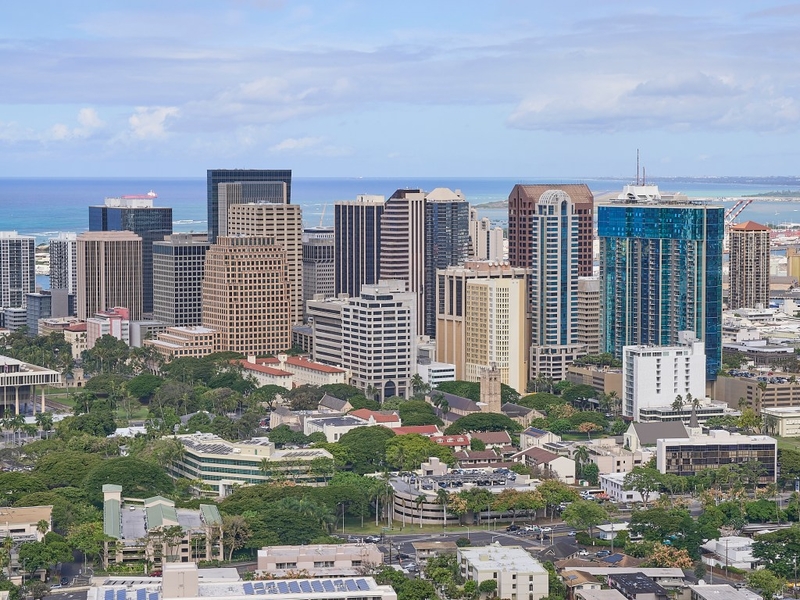
Photo courtesy of Honolulu Civil Beat
The rising cost of healthcare is battering Hawaiʻi employers with soaring costs for health plans covering hundreds of thousands of workers and their families, illustrating the wide-ranging effects of a healthcare system that experts say has become increasingly unsustainable.
After years of single-digit increases in the base rates approved by Hawaiʻi’s insurance regulators, three of the state’s main health insurers received double-digit increases in 2026 for a benchmark health insurance rate and are asking for more for 2027.
That translates into higher costs for employee health plans as open enrollment begins, which has already been showing signs of rippling through the economy.
Hawaiʻi state law requires employers to provide health insurance for employees working at least 20 hours per week and to pay at least 50% of the premium costs, which presents a significant expense, especially for small businesses.
“Every year, it just keeps going up and up,” said Sherry Menor, president and chief executive of the Chamber of Commerce Hawaiʻi. “It’s a major cost driver, and it’s just getting harder and harder for small businesses to pay.”
Approximately 425,000 Hawaiʻi residents are covered by employer plans under the law, according to the Hawaiʻi Insurance Commission.
The increasing costs are starting to show up in state jobs data, said Carl Bonham, executive director of the University of Hawaiʻi Economic Research Organization. The medical premium increases, he added, aren’t simply a signal that the health care system is increasingly fragile.
“It’s about the whole economy,” Bonham said. “Healthcare is an integral piece.”
The state’s largest private insurer, HMSA, received approval for a 13.8% benchmark rate increase in 2026 and has applied for a 14.9% increase for 2027. And that’s only a portion of the rise most employers are seeing because employee demographics and the plans the employers choose to offer their employees also play a role.
Jenny Smith, HMSA’s president and chief operating officer, was blunt about the response she’s gotten in meetings with employers about the increases.
“I’m going out there and taking a beating, to cut to the chase,” she said. “The employer group's voice is very strong. They just can't take any more.”
Premiums Are Increasing Nationally
Hawaiʻi is hardly the only state facing rising insurance costs. According to the healthcare research organization KFF, insurers nationally are asking for a median increase of 14% for small group and business premiums.
Driving the increases nationally, according to KFF, are rising costs of medical care, including the expense of hospital visits and specialty drugs, as well as higher utilization of medications such as GLP-1 drugs prescribed for diabetes and weight loss. Spending on behavioral health is also increasing nationally as are medical personnel wages.
In Hawaiʻi, the requested rate increases for 2027 range from Kaiser Permanente’s 6% on the low end to UHA Health Insurance’s 19.6%.
The rate applies to the ACA Small Group market, used for companies with 50 employees or fewer, which includes a substantial number of Hawaiʻi employers, Hawaiʻi Insurance Commissioner Scott Saiki said.
Insurers apply annually for rate adjustments, which the commission analyzes with the assistance of actuaries, before crafting a recommendation for the commissioner to approve.
HMSA’s double digit rate increases – approved in 2026 and pending for 2027 – follow two years of net financial losses that underscore the chronic financial problems facing Hawaiʻi’s healthcare system. In 2024, HMSA’s $4.47 billion of expenses — 95% of which went to pay claims — exceeded the $4.35 billion the company brought in from premiums. The insurer stayed in the black only by drawing from investment and so- called “other” income.
The next year wasn’t any better.
HMSA suffered an operating loss of $88.3 million, as expenses again exceeded premiums, and suffered a $3.1 million net loss for the year. Despite $80 million in investment income, HMSA ended 2025 with a $3.1 million net loss.
“That cost that we incurred or the members incurred in 2025 is largely the basis for how rates or premiums were set for 2027,” said Mark Nishimura, HMSA’s vice president for actuarial and underwriting.
The upshot for employers is that 20% premium increases “aren’t unheard of,” even if average premium increases are not that high, Nishimura said.
Premiums depend on dozens of variables, he said, including the size of the insured group, what their historical experience is, such as whether they had an individual in-patient hospital visit that cost between $500,000 and $1 million.
“Those are all things that are taken into account,” he said.
Premiums that employees must pay also depend on the contributions employers are making to cover employees and the types of plans they’re offering employees, such as coverage for the employee’s family.
The result is some employers have little choice but to pass on a higher share of premium costs to employees, offer less attractive insurance plans, cut back on hiring or some combination of all three.
Costs Are Affecting Wage And Job Growth
Higher healthcare costs appear to be making their way into wages, according to UHERO’s latest forecast on the Hawaiʻi economy. While consumer prices continue to rise, especially for necessities such as food and gasoline, UHERO reported that real wage growth has barely kept pace with inflation overall and declined for jobs in fields such as wholesale trade, accommodation and food services, and construction.
It noted that wages don’t show the total compensation employers pay to workers, which includes health insurance.
Higher medical insurance costs also appear to be influencing hiring decisions, Bonham said: UHERO forecasts 0.2% negative job growth here in 2026.
Although higher health insurance premiums aren’t the only reason, Bonham said, they “are a piece of it.”
Kaiser Permanente operates as a vertically integrated system linking an insurance arm and doctors, in which insured members are typically required to use Kaiser Permanente providers if they’re available for particular types of care.
In a statement, Kaiser Permanente spokeswoman Tammy Mori Brownfield, said the organization hasn’t been immune to the factors driving up premiums in Hawaiʻi, including “inflation, expensive new treatments and prescriptions, and higher needs of an aging population with more complex care requirements.”
But she said Kaiser Permanente “has taken a consistent, long-term approach to affordability” and has “averaged single digit rate increases for the past 10 years, including in 2027.”
To curb rising premiums, HMSA has proposed creating its own vertically integrated system, through a merger-like deal with Hawaiʻi hospital giant Hawaiʻi Pacific Health. The overarching idea is to create a new entity, One Health Hawaiʻi, that could enable HMSA to better align premium revenue with costs of providing healthcare.
Unlike Kaiser Permanente’s system, One Health would be open for doctors, hospitals and other providers to join, and patients would be able to choose their own doctors.
Hawaiʻi Pacific Health’s chief executive, Ray Vara, is one of the deal’s main proponents. He points to the escalating premiums as one reason “you have to make structural changes.”
For employers, he says, “There’s only one dollar in the bucket, and if you’re spending more of it on healthcare, you’re spending less of it on other things, like wages.”
Honolulu, HI