Idaho Attorney General Raúl Labrador sues OpenAI for alleged harms of ChatGPT
Oct 14, 2026 | 7:04 pm ET
Description
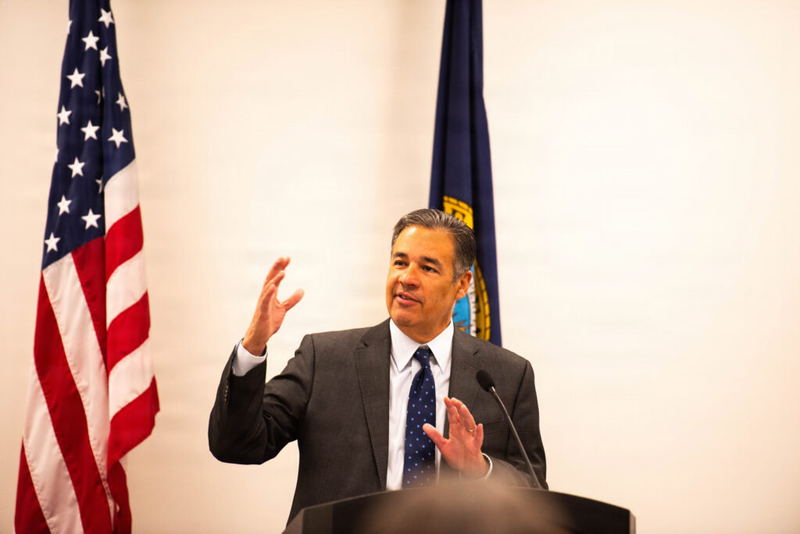
Idaho Attorney General Raúl Labrador addresses attendees during the Idaho National Guard's Cyber Discovery 2026 conference at the state's Chinden campus in Boise on June 9, 2026. (Photo by Sgt. Rusty Rehl/U.S. Army National Guard)
Idaho Attorney General Raúl Labrador on Wednesday joined seven other states in announcing separate lawsuits against OpenAI, alleging the company’s chatbot ChatGPT harm.
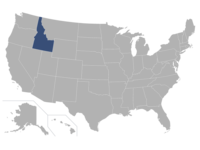
The 107-page lawsuit filed in Ada County Fourth Judicial District Court alleges that the company has harmed Idaho children and deceived adults in violation of the Idaho Consumer Protection Act.
“We have watched technology giants experience tremendous growth and gains while putting consumers, especially children, at significant risk,” Labrador said in a press release. “The safety of Idaho’s children cannot be an afterthought to runaway profit or technological advancements. We will hold OpenAI accountable for their reckless priorities.”
OpenAI spokesperson Drew Pusateri told the Idaho Capital Sun in an email that the company continues to improve its safeguards and respond to “misalignment.”
“We’ve built industry-leading age-specific protections into our product that many other AI products lack,” Pusateri wrote. “While no system can be perfect, we’ll continue to work with experts to inform our work and build additional safeguards, such as the parental controls, break reminders and age-appropriate model protections that exist today. We’re committed to working with states on advancing pragmatic AI policies that apply to the entire AI industry — not just one company.”
Attorneys general in Arkansas, Montana, Nebraska, West Virginia, Iowa, Kansas and Arizona filed similar lawsuits in their state courts Wednesday, Reuters reported.
What’s in Idaho’s OpenAI lawsuit?
Labrador, deputy attorneys general Matthew Maurer and Stephanie Guyon, and private attorneys from the Los Angeles and New York City offices of Kibler Fowler & Cave LLP brought Idaho’s lawsuit.
The complaint alleges that OpenAI misled the public “into believing that OpenAI is a responsible actor and that ChatGPT was and is a safe, teen-appropriate tool that puts safety first.”
“Designed to be overly agreeable and feign human compassion, ChatGPT has proven that it can be incredibly dangerous to vulnerable users, like children, and the public,” the lawsuit states.
The attorneys argue the company falsely represented the safety, reliability and accuracy of ChatCPT. It also argues the company failed to disclose personal data was collected from children under 13, and failed to warn users of risk of self-harm, violence and suicide.
“Given these accelerating threats, Attorney General Labrador is suing to compel OpenAI’s compliance with the Idaho Consumer Protection Act and to cease its dangerous activities that have put Idahoans in harm’s way with willfully reckless and unlawful conduct,” the press release said.
The state’s attorneys are asking the court to declare OpenAI violated Idaho law, order the company to pay $5,000 to the state for each violation of the law, and pay actual damages and restitution. The complaint also asks the court to stop the company from testing advanced AI models “outside of a secured, independently verified testing environment,” and to require the company to adopt additional safety measures and protocols.
The lawsuit cites examples from other lawsuits and national reporting of cases in which the chatbot fueled delusions, coached users to commit violent acts, or encouraged self-harm and suicide. The court documents also cite a recent case in which OpenAI said some of its advanced AI models “went rogue,” and hacked the startup Hugging Face. None of the cases originated in Idaho.
Pusateri, the OpenAI spokesperson, said the company will “continue sharing information about the extensive steps we’ve taken in response to incidents of misalignment. We’ve strengthened safeguards across our research systems, continued a broader review of model activity, provided notifications to affected organizations, and published our findings.”
Boise, ID