Measure to protect citizen initiatives on Montana’s ballot
Oct 12, 2026 | 11:56 am ET
Description
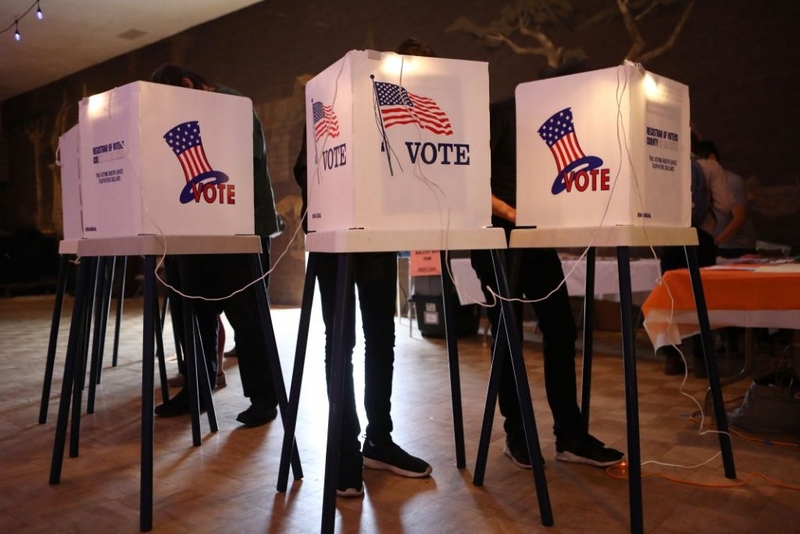
Voters casting ballots (Getty Images)
A measure to make sure Montanans can keep pitching initiatives to shape their government is on the ballot in 2026.
In short, it’s an initiative to protect initiatives.
Opponents say Constitutional Initiative 133 is vague and unnecessary, but proponents say voters are ready to make sure there’s no government interference in the right to propose and vote on laws that come directly from the citizens.
CI-133 would amend Article II of the state constitution to add the following language, in part:
“The people have a fundamental right to exercise their powers of initiative and referendum under Article III and Article XIV. The government may not deny or burden this right unless justified by a compelling government interest achieved by the least restrictive means.”
Dani Hess, spokesperson for Montanans Decide, which supports CI-133, said the campaign is finding that Montanans are receptive to the idea that the right needs to be protected.
“Montanans know what is best for Montanans, and CI-133 protects our right to propose and vote on laws that put our interests first,” Hess said in an email.
Supporters present the measure as a “homegrown” one, but it’s also drawing national money. According to the most recent campaign finance reports, Montanans Decide pulled in $2.44 million since December 2025, mostly from national groups.
Hess said those dollars are necessary “because of ongoing government interference in the initiative process,” including ones that result in legal battles.
“Montana is one of several states that has seen attempts to increase burdens on and barriers to citizens’ ability to vote on laws directly through the initiative process,” Hess said. “CI-133 itself had to go to the Montana Supreme Court simply to get to the signature gathering phase.”
In a unanimous decision this month, the state Supreme Court said four 2023 laws restricting the ballot initiative process were unconstitutional, including one imposing a $3,700 filling fee.
However, in a statement, Chase Scheuer, spokesperson for the Attorney General’s Office, said most provisions the legislature passed remain in place, and the state “prevailed on a majority of the measures originally challenged at the district court level.”
Charles Robison, with the Montana Chamber of Commerce, said his organization opposes CI-133 for a couple of reasons.
Robison said the language is “vaguely written,” and it’s hard to decipher how the initiative will be interpreted by the courts.
“We’re throwing a wild card out there. I think it’s reckless and also unnecessary,” Robison said.
He said the system is working already, and this year’s ballot is proof.
“As you can see, there’s multiple initiatives on the ballot right now,” Robison said. “We don’t have dozens, like California, but we’ve got a handful.”
In recent years, initiative supporters have challenged attorney general decisions that stymied attempts to place initiatives on the ballot, including CI-133. In some cases, the Montana Supreme Court agreed with the Attorney General’s rationale.
The interest in CI-133 comes from beyond Montana.
Other political committees have provided the bulk of the funding, including American Opportunity Action, with a mission that includes rebuilding the middle class and holding government accountable to the people; The Fairness Project, which works to protect voter access to ballot measures; and the GI Social Welfare Fund, which includes a focus on voter rights.
Hess said the work means Montanans can keep proposing initiatives.
“Passing CI-133 will protect our right to propose and vote on ballot initiatives and prevent further interference from the government, making this process fair, impartial, and more accessible to Montanans,” Hess said.
Helena, MT