Nebraskan in Greece: Voting connects citizens born abroad to US
Oct 10, 2026 | 6:45 am ET
I first registered to vote on my 18th birthday. Perhaps many people do that, but my birthday is in June, and the next election was more than a year away. My interest in politics started long before then, and that is why I’m interested in the story of Nebraska’s Republican Party suing to prevent voting by U.S. citizens who have never lived in Nebraska.
My family’s influence certainly shaped how I feel about voting and civics. My father was an active member of the International Brotherhood of Electrical Workers. My grandfather and uncles were members, and my oldest brother became the union’s business manager. Another brother became a Nebraska state senator. Political discussions and Labor Day marches were part of my childhood.
After finishing college, I moved to Greece, where voting is compulsory. If someone wasn’t able to make it to the polls, they had to file a paper with the police. The ancient Greeks considered participation in civic life an ethical and moral duty. I have continued to vote in every Democratic primary and general election in Nebraska by requesting my absentee ballot each time, printing it, voting and taking it to the post office in time. I take the time to read about the candidates and make the effort to vote. I also take the time to write to my representative and senators, giving them my opinion on a variety of topics.
Living abroad gives me a unique perspective on the United States. Seeing how other people regard my homeland has always been an eye-opener. Most people held it in awe. Even now, despite the anti-immigration policies this administration is encouraging, moving to the U.S. is a dream for many. Those who have managed to get there as college students or professionals rave about the standard of living, the opportunities and the salaries.
My three children are all U.S. citizens, but have never lived there. I encouraged them to register to vote in the U.S., but only my daughter did so. I recently asked her why she wanted to vote, and she replied that it is one of her only ties to the country. She visited Nebraska several times while growing up and has fond memories of our big family and the abundance she saw there. She said she sees stories on the news about ICE raids, the millions of Americans who don’t have health insurance, the income inequality and other issues, and says maybe her vote could make a small difference.
I do understand, up to a point, the objections to allowing U.S. citizens who have never lived in Nebraska the right to vote. Why should someone who has never lived in the U.S. be able to decide on school board members or whether a judge should retain their seat? To be honest, I don’t vote for those positions, and my daughter didn’t either. But the president of the United States and members of Congress actually do affect people all over the world. Just look at this administration’s trade policy, elimination of foreign aid and, of course, the war with Iran. There’s not a person on the planet who hasn’t been affected.
I find it appalling that so many millions of Americans do not make the effort to vote and that many more are being disenfranchised by this administration and the Republican Party. I feel it is the duty of every citizen to be as informed as possible and choose the leaders they see fit. The efforts of the Nebraskan Republican Party to deny the right of even so few U.S. citizens is despicable. We should be making it easier to vote by opening more polling places and allowing voting on Sundays so no one has to take the day off work to cast their ballot, and mail-in voting shouldn’t be demonized.
Why is the Republican Party afraid of informed and active citizens? If every vote is really so important, then let them be counted.
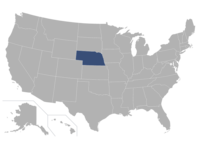
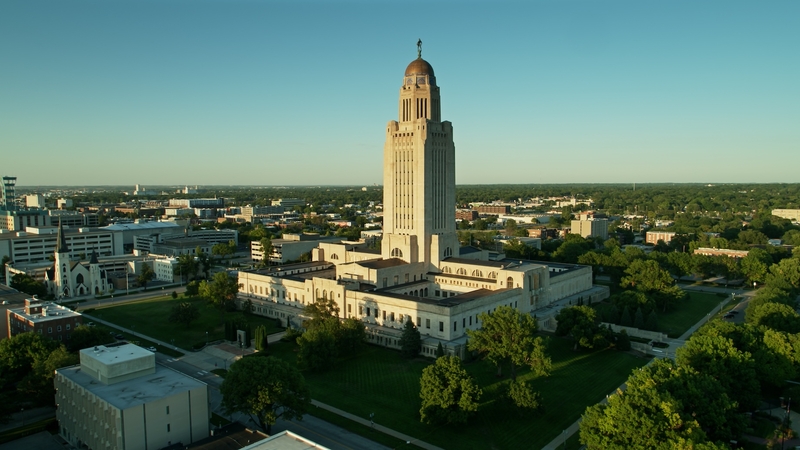
Lincoln, NE