Regulatory change opens door to one-stop mental and physical healthcare in NJ
Oct 09, 2026 | 6:33 am ET
Description
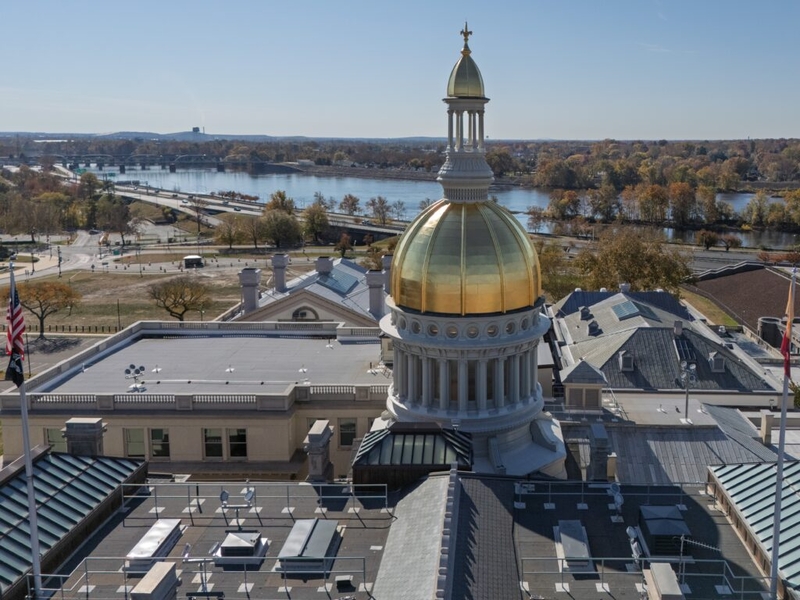
New Jersey has awarded two contracts to nonprofits to make it easier for low-income patients to access mental and physical healthcare in one place. (Photo by Hal Brown/New Jersey Monitor)
New Jersey is working to make it easier for low-income patients to get mental and physical healthcare services in the same place, awarding two publicly funded contracts to nonprofit community health systems to expand these programs in parts of the Garden State.
The New Jersey Department of Human Services announced this week that it will provide some $391,000 to St. James Health, a community health center in Newark, and nearly $275,000 to Zufall Health, which serves patients in central and northern parts of the state.
The state said it wants to help the two federally funded clinic systems make it easier for people with substance use disorders, mental health issues, and chronic physical health conditions — diagnoses that can shorten lives by decades — to connect with both behavioral health treatment and primary care by offering multiple services at the same location, called integrated care.
Sarah Aleman, the senior VP who oversees behavioral health at Zufall, said integrated care reduces the need for referrals and visits to multiple health-care systems, something that benefits all primary care patients, but especially patients with mental health or substance use issues who face more barriers to care.
“The goal in integrated care is to ensure access to the right care, with the right team members, at the right time – all within a coordinated system of care,” Aleman said.
The contracts follow a spring 2026 regulatory change more than a decade in the making, which created a single state license for healthcare facilities to provide both behavioral and physical health treatments within the same office. These services were previously licensed through three separate processes governed by two different state agencies, creating red tape that made it hard for healthcare providers to offer both physical and mental health or substance abuse treatments at the same place.
“Too often people have to navigate multiple systems to get treatment for mental health conditions, addiction, and physical health needs,” Stephen Cha, the state human services commissioner and a physician, said in a press release.
The state Department of Health, which oversees the licensing, has issued one integrated care license under the new regulations, which took effect in April, to Zufall Health. A second application from Zufall is also expected to be approved shortly, according to communications director Dalya Ewais. Another 20 applications are under review, a volume she said reflects the growing interest in integrated care.
The contract funding comes from tens of millions the state receives annually from the federal Substance Abuse and Mental Health Services Administration to address opioid abuse issues, and flows through a program designed to help federally funded primary care clinics also provide screening, assessment referral, and addiction treatments without the need for additional licensing, according to the Department of Human Services.
St. James now operates three locations in Newark and provides medical, dental, behavioral health, and pharmacy services. One of its clinics also includes a food bank.
Zufall offers a similar range of services at more than half a dozen sites in northern and central New Jersey, plus a mobile health unit and, as of May, a school-based clinic in Franklin Township that serves children and the community. Zufall also expanded its substance use treatment programs in recent years.
Outpatient integrated care does exist at some other venues in New Jersey, like Care Plus, based in Bergen County, and Integrity House in Newark, both large, established providers of mental health and addiction services that had the capacity to navigate the complex regulatory process to weave in primary care services. But the red tape has made it hard for smaller providers to do the same.
In addition, a federally funded program launched in 2017 made New Jersey one of eight states selected for a pilot that allowed community-based behavioral healthcare providers to get reimbursed through Medicaid for offering integrated care and case management. While funding first flowed to just a handful of programs, as of 2024 there were 19 certified community behavioral health clinics in the Garden State, according to a nonprofit that tracks this work.
“Integrated care programs help ensure that people are treated as whole individuals, not a collection of separate health needs,” said Human Services Deputy Commissioner Valerie Mielke, who oversees behavioral health programs in New Jersey.
Trenton, NJ