Public education’s goal is high-quality education for all students
Oct 09, 2026 | 5:30 am ET
Description
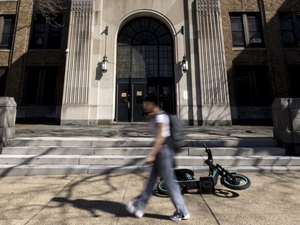
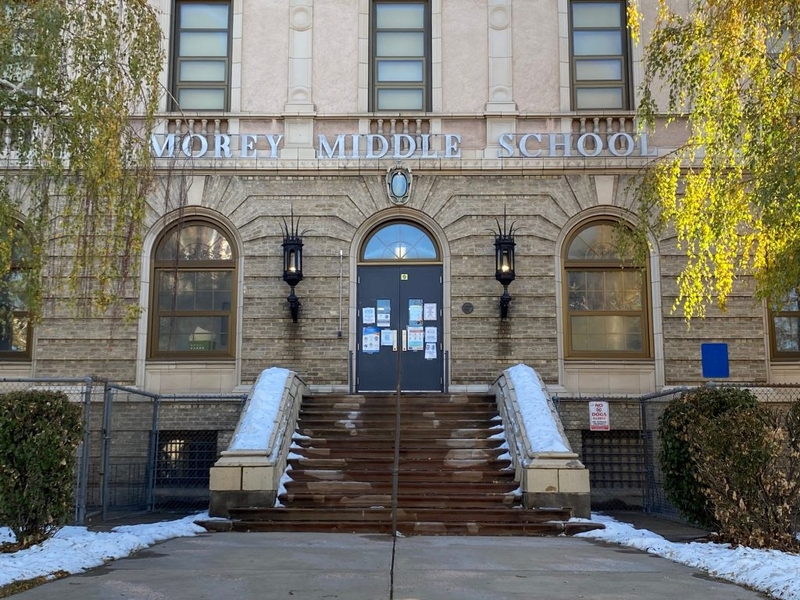
Morey Middle School in Denver on Oct. 28, 2020. (Quentin Young/Colorado Newsline)
Many of you know the story of Malala, a female child who was shot in the head by a Taliban assassin in Pakistan. She was an advocate for education; she had a blog as a pre-teenager where she posted articles supporting the rights of all Pakistani children to education.
She was riding in a bus after finishing a test and she was shot and nearly killed along with two of her classmates. After several days in a coma, she was transferred to a hospital in England to continue treatment and eventually her wounds healed. She went on to become the youngest Nobel Prize laureate in history (at 17) and worked unflinchingly as a teen to advocate for the rights of her peers in Pakistan. Later she established the Malala Fund, a nonprofit organization focusing on the rights of all children to education.
The Taliban works hard to maintain control of education in Pakistan and other parts of the region where it has power. Its beliefs about access to education are rooted in their fundamentalist view of Islam, which members interpret as giving them approval to segregate genders and limit the rights of females in their culture. Although Islam does not prohibit education for women and girls, the Taliban believes that controlling access to educational opportunities will limit the role of women in society. Members believe that the role of women is in the home and that there is no reason for them to become educated. This has affected more than 2.2 million girls in Pakistan and Afghanistan, causing them to choose early marriage and limited engagement in society, which continues cycles of poverty and inequality.
At the same time, the Taliban controls access to education for boys as well. Since retaking power in Afghanistan, it has removed important parts of the curriculum from male schools and has limited the number of women teachers, leaving many classrooms staffed by inexperienced instructors. The boys have limited access to coursework that might help them establish viable career paths. Often their education focuses on strictly interpreted versions of the Quran, which guides these students into a narrow perspective on their faith and the world.
The costs of this battle for the minds of the children in Pakistani and Afghani cultures will be high, and the development of their society has suffered and will continue to suffer.
This is where we pause to think about our system of public education in the United States and specifically in Colorado. We should start with a brief history of public education, which many people probably have not considered except when the question of funding comes up. Let’s look at how these systems evolved.
The first schools in this country were established during the 1600s to encourage literacy and Bible reading. The first tax-funded school in America opened in Massachusetts in 1644. Students in the south, especially children of enslaved people, had little access to education during the 1700s. Some rural areas had no access, and some areas relied on private tuition-based education.
The 1800s saw the rise of the Common School Movement, led by school reformers such as Horace Mann, who advocated free and universal access to education. These movements created systems that offered curriculum including math, history, geography, literacy, and moral and ethical components. The intention was to educate students from all social classes, and the goal was to strengthen and improve the social fabric and to prepare students for engaged citizenship and employability. Soon some states adopted mandatory attendance rules, and more students were attending school, especially in urban areas and among immigrant populations. There is some evidence that the attendance rules helped reduce the number of child workers in factories as well. It was also during this time that schools for students with disabilities were first established.
During the 1900s, there was growing evidence that equality in education was not typical in the United States. There was legislation ending racial segregation in public schools, prohibiting prayer in schools, and improving services and access for students with special needs. The National Defense Education Act and the Elementary and Secondary Education Act were passed, ensuring national standards in public education. The goal of these initiatives was to strengthen the social fabric with the underlying belief that the common good benefited from public education as a way to improve social equity, ensure a strong democracy and increase economic opportunity.
Fast forward to the new millennium. Public schools and systems in the United States are challenged by resource issues, there are geographic differences in quality of services, and disagreements over funding and curriculum are prevalent. Local school districts make decisions about curriculum and how to fund initiatives. Public schools have met challenges such as industrialization, social changes related to the structure of the modern family, and technological advances. All of this while maintaining focus on the goal: high-quality education for all students. All students. Homeless students, those with learning style differences, second-language learners. Wealthy students who can access special programs for test preparation and tutoring. Students who are accepted into selective admission schools. All students.
And here we are now, with many school districts in Colorado that are unable to make ends meet. The public-school finance model in Colorado has left a great deal to be desired. The proliferation of charter schools has added pressure on neighborhood schools whose funding has shifted. There are continued movements toward taking public funds away from public schools and moving those funds to private schools that are not accessible to many students who would benefit from programs they offer. And, sometimes, private school students still access public school resources.
Public education may not be the perfect solution to the problems we face in our state, but it is light years ahead of whatever else is available. Our state’s social commitment is to provide high-quality education for all students, and we cannot afford to waver on that commitment.
This year’s election will include many ballot initiatives. Among them will be questions related to how we fund public education in Colorado. Some will impact local districts and will ask voters to approve mill levy overrides, special mill levies, and bonds. It has never been more important to educate ourselves about all these issues and then carry petitions, knock on doors, speak with your neighbors or write letters to the editor. If you feel that there are problems with your local district, then join a school improvement or accountability group, attend your school board meetings, or run for a school board seat. Tell your legislators what you think about funding Colorado schools. Volunteer in the schools, so you can see firsthand the work that goes on by the teachers and staff every day.
For centuries, our public education system has continued to move toward fulfilling the goals of the early reformers who would have us provide public education as part of our social contract. This is not the time to stop, or worse, reverse, that movement.
Malala Yousafzai said, “The extremists are afraid of books and pens, the power of education frightens them.” We owe it to the children of Colorado to continue to provide what the Taliban would make illegal: accessible high-quality public education for all.
Denver, CO