Federal audit says Arkansas mishandled reports of child abuse and neglect
Oct 07, 2026 | 6:49 pm ET
Description
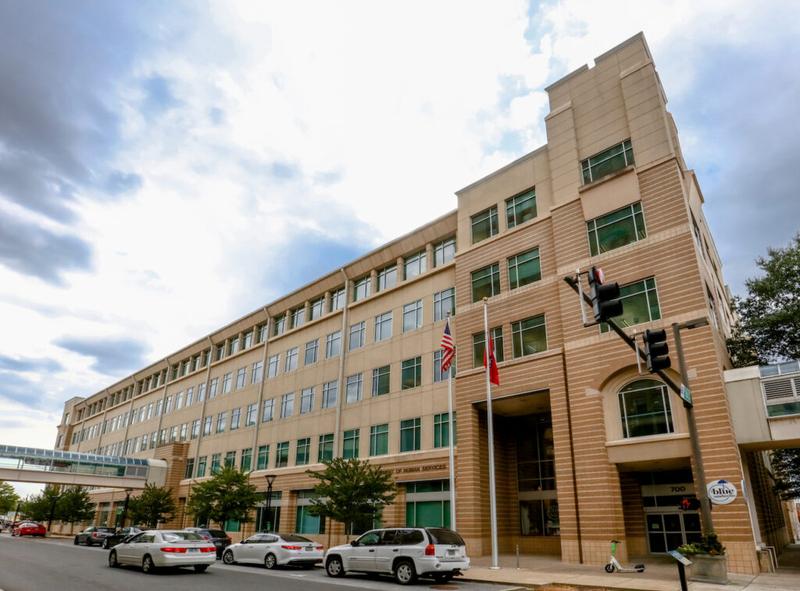
The Arkansas Department of Human Services building on Main Street in downtown Little Rock. (Photo by John Sykes/Arkansas Advocate)
A federal audit found Arkansas mishandled thousands of reports of child abuse and neglect, including allegations of rape and video surveillance in children’s bedrooms.
The Sept. 29 report from the Office of Inspector General in the U.S. Department of Health and Human Services surveyed 27,690 reports the Arkansas’ Division of Children and Family Services rejected and 21,268 reports it accepted between Oct. 1, 2023, and Sept. 30, 2024.
Auditors estimated from their studies of samples of the reports that 99%, or nearly 21,000, did not comply with Arkansas’ child abuse screening, assessment or investigation requirements.
The division incorrectly rejected reports of children being watched by video while undressing and failed to contact law enforcement about findings of sexual abuse and life-threatening harm to children, according to the audit.
Auditors found “systemic weaknesses” in Arkansas’ processes for assessing and investigating reports of child maltreatment, the report states. Some processes “did not fully reflect current practices,” and some investigators did not follow the rules.
Arkansas child welfare agency denies prosecutor access to internal files in teen’s severe abuse
The report was prompted in part by a Mountain Home child abuse case that became public last year. The state determined 29 allegations of abuse against the teenager were unsubstantiated, and the child was abused for years before the mother and stepfather were sentenced to more than 40 years in prison earlier this year.
In the time since the audit was conducted, Children and Family Services “has undertaken significant work to strengthen investigative practice, policy, training, supervision and technology,” and many of the changes are a direct response to the audit, division director Tiffany Wright and Maj. Jeff Drew, commander of the Crimes Against Children Division of the Arkansas State Police, wrote in their response to the findings.
State officials faced questions from lawmakers last year about the Mountain Home abuse case. Republican Rep. Ryan Rose of Van Buren said Wednesday that state officials could not “explain away” the problems in the system.
“This audit confirms what we feared: children who cried out for help had their pleas muffled,” Rose said.
What the audit found
Arkansas officials agreed with auditors that nine rejected maltreatment reports in a random sample of 70 should have been accepted, including an 11-year-old child’s disclosure of rape by a family member at the age of 6.
“Hotline operators screened it out because they believed that a young child might not have a clear understanding of the word ‘rape,’” the report states.
Child abuse hotline operators rejected four other reports after inappropriately determining there was not enough evidence to launch an investigation.
“For example, a mandated reporter stated that a child disclosed being molested by a half-sibling when she was younger,” the audit states. “However, the report was screened out because of a lack of specific details, and the hotline did not conduct a follow-up to obtain clarifying information.”
Arkansas child abuse investigations must be complete in 45 days, but auditors found 32 investigations in a random sample of 140 were completed between one and 200 days too late.
The state also failed to begin child abuse probes in a timely manner and interview all required parties in some of its investigations, the report found.
“Failure to initiate investigations within required timeframes places children at risk of continued child abuse or neglect,” the report states.
Wright and Drew took issue with this statement in their response to the report.
“The stated objective and methodology of the audit…do not appear to include an assessment of whether any child in the sample experienced harm or an increased risk of harm as a result of an identified deficiency,” they wrote.
Recommendations and disagreements
Federal auditors gave the state six recommendations for how to fix the problems found, and the division fully accepted three.
The state agreed to revise its Child Abuse Hotline manual to clarify definitions of child maltreatment and guidance for how to identify and locate children mentioned in reports, among other things. The state also agreed to strengthen its documentation requirements and to review its policies to ensure they follow state law.
State officials had misgivings about the auditors’ other three recommendations but agreed to take them into account to an extent.
Auditors and state officials disagreed over whether investigating previous rejected reports of child maltreatment were necessary due to how much time had passed since the reports were filed. State officials also disputed auditors’ claim that insufficient staff training was the only reason for the problems found in the audit.
“The state agency pointed out that the audit findings also demonstrated the need for consistent supervisory oversight, clear expectations, accountability, and system supports that help staff apply those requirements and practice,” the report states.
Effort to upgrade Arkansas child welfare computer system fails after two years
Auditors determined that the state’s Children’s Reporting and Information System, also known as CHRIS, did not “clearly distinguish between custodial and noncustodial parents.” State officials agreed to improve the system’s documentation capacity but “did not concur with any implication that the current CHRIS configuration demonstrates that required parent interviews were not conducted,” the report states.
In 2022, Children and Family Services entered into a multimillion-dollar contract with a Chicago-based software company to update the reporting and information system.
The project ended in 2024 after Wright and other Department of Human Services officials were frustrated by its lack of progress, but the agency said last year that CHRIS still met the child welfare system’s needs.
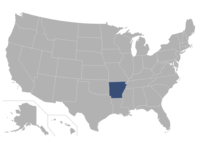
Little Rock