Federal judge releases 50 people to date in wrongful arrest class-action lawsuit
Oct 07, 2026 | 8:17 pm ET
Description
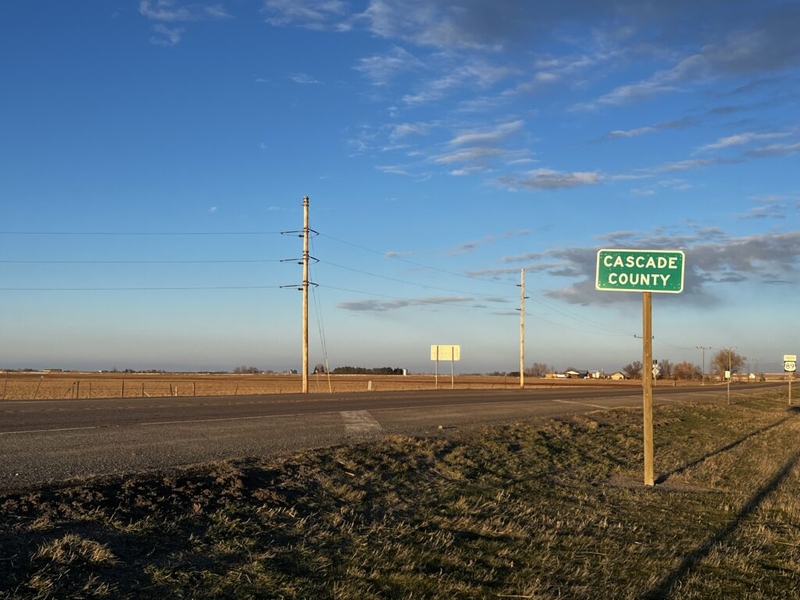
A sign marking entry into Cascade County along Highway 89 taken on March 30, 2024. (Photo by Nicole Girten/Daily Montanan)
A federal judge has ordered the release of 50 people from jail since the end of July because the U.S. government wrongfully arrested them in Montana, according to Upper Seven Law, representing the plaintiffs.
Andres Haladay, senior legal counsel with Upper Seven, said Wednesday the federal government has continued to ignore an earlier court order that said those arrests were illegal.
The people have been detained on immigration holds, at least some in Cascade County Detention Center.
Sunday, the law firm said it had secured the release of 40 people since the end of July in the class-action lawsuit.
Tuesday, Upper Seven said the U.S. District Court of Montana ordered the release of another 10 people, all found to be wrongfully arrested.
“The rule of law does not differ on the basis of race, language, sex, or immigration status,” Upper Seven said in the post. “We will not stand down.”
The case started when U.S. Customs and Border Patrol arrested Jesus Verde Hernandez near Lewistown and detained him in the Cascade County Detention Center.
Upper Seven successfully argued his arrest and that of others held in Cascade County, including a father and child, was illegal.
Haladay said, and Judge Brian Morris agreed, the federal government needs to have a warrant before arresting a person or must believe the person is in the country without proper documentation and is also a flight risk.
The lawsuit is filed against Cascade County Sheriff Jesse Slaughter and authorities with other federal agencies, including the Havre Sector of Customs and Border Patrol, U.S. Immigration and Customs Enforcement, and the U.S. Department of Homeland Security.
The U.S. Attorney’s Office has argued the federal government produced a warrant after arrests took place.
Citing active litigation, a spokesperson for the U.S. Attorney’s Office declined to comment Wednesday on the high number of improper arrests the judge said the federal government made or if it planned to change its immigration operations in Montana
Haladay told the Daily Montanan the government is inserting “boilerplate language” – or language that has been copied verbatim multiple times – that describes a near identical reason officials believe the detained people are flight risks.
But Haladay said the justification for holding them takes place after a person has already been handcuffed and detained.
“Some of these later orders point out that they (government officials) can’t do that,” Haladay said.
In one release order, for example, Morris said officers need to determine a person is a flight risk before an arrest.
The judge said that means seeking specific evidence ahead of time, such as whether a person has family, property or other ties to a community.
“Nothing in the record indicates that the officer collected this information before (the resident’s) arrest,” the order said.
Helena, MT