State senator accuses Lincoln of improperly taxing non-city residents, demands refunds
Oct 07, 2026 | 6:57 pm ET
Description
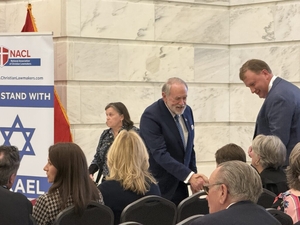
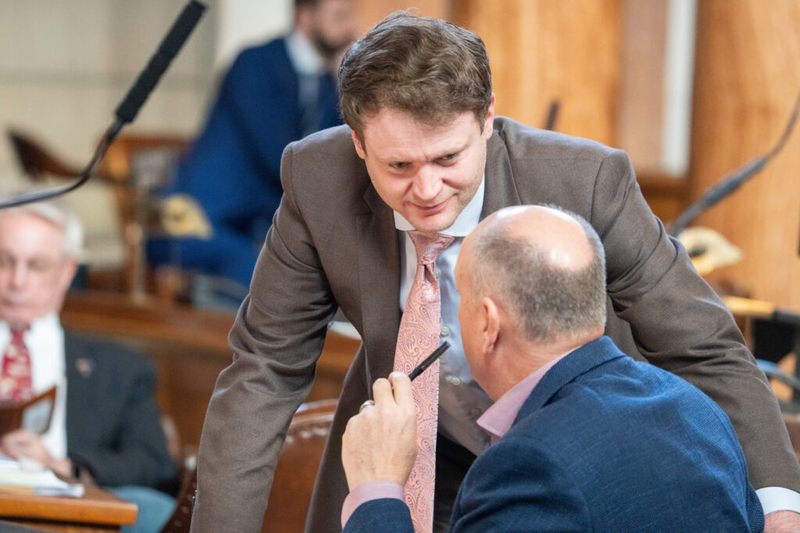
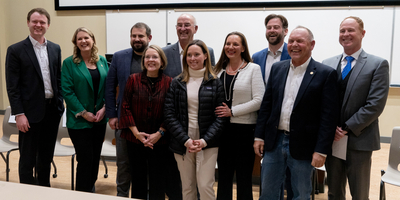
State Sen. Beau Ballard of Lincoln, standing, talks with State Sen. Jared Storm of David City. March 20, 2026. (Zach Wendling/Nebraska Examiner)
LINCOLN — A Lincoln state senator accused city officials Wednesday of improperly taxing residents outside city limits and pledged to seek legislation to force refunds to taxpayers.
State Sen. Beau Ballard, one of 10 state senators whose districts include part of Lincoln, announced his office had received evidence from constituents that the City of Lincoln has been assessing its 1.75% sales tax on residents outside city limits within the surrounding 3-mile extraterritorial jurisdiction. Lincoln has a population of about 291,000, according to the Department of Revenue.
Lincoln city officials argue that the allegation has no merit and that it’s the Nebraska Department of Revenue that is in charge of overseeing, collecting and returning sales tax revenue to cities.
Ballard is calling on the city to audit its books and refund every dollar he says was improperly collected. He said he’ll push 2027 legislation to force the refunds, plus interest, either way. His idea would also force the city to conduct a 20-year lookback and return any such tax dollars.
“Families in the ETJ don’t get to vote in city elections, but we now have evidence from constituents that the city has been collecting city sales and occupation taxes from residents of the ETJ,” Ballard said in a statement.
Ballard’s northwest Lancaster County Legislative District 21 includes part of Lincoln and its ETJ.
City of Lincoln spokesperson Garret Swanson said city officials don’t receive or retain the business tax returns necessary for the audit Ballard proposes, unlike the Revenue Department.
“If a business believes sales tax was collected in error, the Nebraska Department of Revenue has an established process to review the matter and issue a refund when appropriate,” Swanson said in a statement.
Between January 2006 and July 2026, the Department of Revenue returned $1.72 billion in local sales tax revenue to Lincoln, according to data from the department. In the past year, the city has received $132 million in sales tax revenue, an average of $11 million each month.
Under state law and department regulations, cities can leverage a local sales tax up to 2 cents on top of the statewide 5.5-cent sales tax rate. Anyone who makes a taxable purchase in such a city pays the tax. The state also takes a portion of the local tax for administrative purposes.
Retailers must collect sales taxes at the rate at the point of delivery of goods or services, according to a department information guide on state and local sales taxes.
Ballard told the Nebraska Examiner that the evidence he’s seen from constituents is taxes on packages they ordered online or on business services at their home. For example, he cited a constituent ordering a shirt from Old Navy, which might be only a $1.20 tax but is still too much.
He said city officials should have looked more at the issue and listened to voters sooner.
“If the city says that they want to point the fingers at the Department of Revenue, that’s fine, I’ll work with the Department of Revenue,” Ballard said. “The real problem is the City of Lincoln has been collecting this tax without any red flags raised.”
Ballard said his proposed legislation is still at the “beginning stages” and couldn’t say what interest rate he might consider on refunds. He is also proposing that the city quarterly reconcile its sales tax revenues to promptly return any improperly collected taxes to ETJ residents.
“Just trying to figure out what the best way is to remedy this situation for Nebraskans that should not have been taxed,” Ballard said.
The 2027 proposal would focus on Lincoln, but Ballard said he could be open to other senators expanding the law to more cities. Lincoln is the only city of its size — a city of the “primary class” — so legislation can target the city and not be unconstitutional “special legislation.”
The Nebraska attorney general — current Attorney General Mike Hilgers lives in Lincoln’s ETJ — would have the authority to enforce compliance with the proposed law. Ballard succeeded Hilgers in the Legislature in 2023 and previously worked for Hilgers.
The Lincoln city budget is made up primarily of local property taxes and sales tax revenue. If the money is returned, Ballard said, he doesn’t want to hurt the city financially but the focus is on righting a wrong he expects has been going on for multiple years. He said legislation is needed to iron out the possible refund mechanism, which could allow payments over time.
This November, Lincolnites will consider five proposed amendments to their city charter. The last — Ballot Question 6 in Lincoln — would allow residents in the 3-mile ETJ to vote in municipal elections, excluding bonds.
Ballard, who supports the proposed amendment from the Good Government Lincoln campaign, said if the measure passes, the tax concerns become less of an issue because those voters can vote for city representation. But Ballard said he’s focused on returning taxes to residents.
If Lincoln delays compliance, Ballard said he’s considering forcing the city to pay a penalty to the state.
“This city has a pattern of dragging its feet on basic duties, including recently refusing to avoid its constitutional responsibility to put charter amendments before voters,” Ballard said. “Given the city’s disregard of its duties, it may take a penalty to get the city to stop taxing people it has no right to tax.”
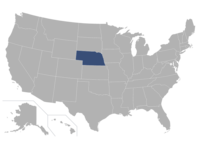
Lincoln, NE