Missouri students need more than a semester of financial literacy
Oct 03, 2026 | 6:50 am ET
Description
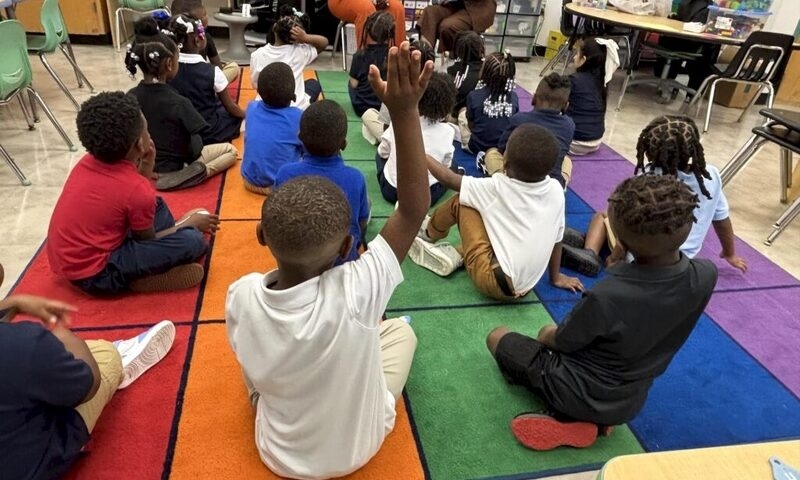
(Nuria Martinez-Keel/Oklahoma Voice)
As a high school teacher and parent, I see many things to change about our educational system, from funding and curriculum to choice. A strengthened focus on financial literacy while re-thinking foreign language requirements should be also at the top of any reform list.
Most American universities and colleges desire one or more years of foreign language (Spanish, French, German, etc) from applicants along with the requisite number of core courses (math, science, etc). Highly competitive universities strongly suggest or require two or more years of foreign language.
There is no doubt that studying foreign language offers many benefits to students. However, to my knowledge no major American universities requires financial literacy — the language of money — from would-be students.
It seems our country is at an inflection point. One major American political party – the Democrats – is wrestling with a large insurgency of young Socialists who want to radically re-order the economic structure of our nation. Some young Republicans and conservatives are also captivated by this messaging.
“Capitalism” is increasingly becoming a four-letter word for too many Millennials and members of Gen Z. Yet, this should not be surprising as today’s young people lived through the wreckage of the Great Recession, and then too many of these souls followed up by burying themselves deep in student loan debt and then flocking to expensive locales like New York City.
Is it any wonder that many young Americans feel like the system is rigged and willingly gravitate to voices who promise forgiveness of debt and “free stuff?” Have our K-12 schools failed kids? I think so.
Here in Missouri and most other states, we require a semester of financial literacy for high school graduation, but that is not nearly enough. Unlike conjugating the verb “to be” in Spanish or French, our students will speak the language of money every day of their adult lives but our curriculum priorities do not reflect this reality.
Again, foreign language is not be dismissed, but as an educator I think we need to re-shift our resources. Many K-8thgrade students receive a smattering of foreign language instruction (a day or two a week, or a quarter), but then they are expected to take year-long courses in foreign language in high school to satisfy university requirements. This seems backwards.
The minds of elementary and middle school students are more plastic and open to new things like learning a foreign language. High school foreign language teachers should be shifted to younger grades to immerse these younger children in foreign languages as the Europeans do. If a child really enjoys Spanish, French, or German, they should be afforded the opportunity for advanced classes in high school that may lead to various employment opportunities.
Most teenagers will get their first job, earn a driver’s license, and be engaged in a myriad of financial activities during their high school years. This should be the time for kids to truly learn about our financial system, but educators barely giving it a passing glance. High school students should study finance for a year, or longer.
High schools have core graduation requirements for a reason: Because kids need certain knowledge to be considered educated and ready for the next steps in life. Could you imagine, however, if our high schools only required a semester of math instruction for graduation? How about a semester of science or history to wear a cap and gown? Parents would be outraged, and university presidents would be lobbying for change. Yet, we are collectively silent regarding our current financial literacy requirements — one semester or a half credit — and then wonder why so many kids are getting into trouble with money.
Financial literacy requirements need to be increased for high school graduation and admission to any American university as well as any trade school or enlistment in the United States military.
To encourage this important shift, universities need to do their part by mandating financial literacy as a core requirement for applicants (right up there with math, science, English, and history) while seeking evidence of foreign language in K-8th grade transcripts. Also, state departments of education can increase the pool of qualified financial literacy teachers by accounting for the professional and personal financial experiences of interested educators.
Kids need to learn about money, and our schools need to offer this support.

Jefferson City, MO