Report raises additional questions about Kroger data gathering in Ohio, nationally
Nov 18, 2026 | 3:50 am ET
Description
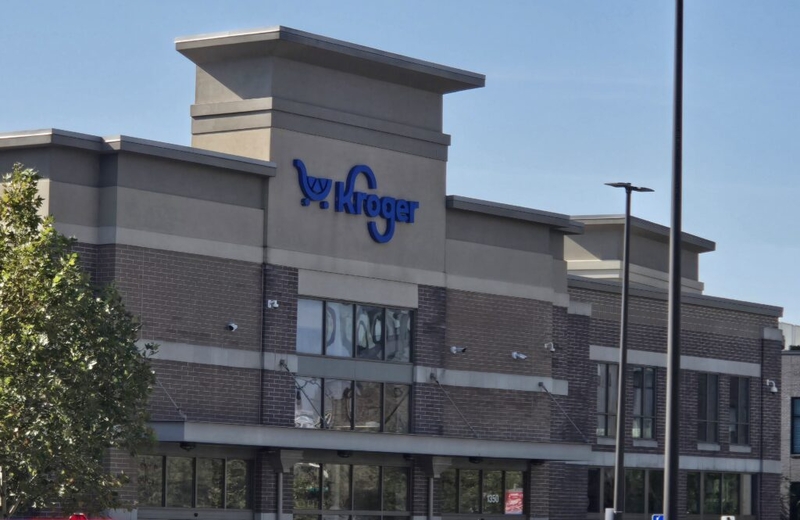
A Kroger store in Columbus, Ohio. (Photo by Marty Schladen/Ohio Capital Journal)
As Kroger works to complete its purchase of Giant Eagle, an antimonopoly group says it will make groceries even more expensive, particularly in parts of Ohio.
Perhaps more ominously, the group worries that a merger will further enhance a surveillance program that earns Kroger huge sums by selling customer data. There are also fears that Kroger will use the information to support a “dynamic-pricing” program that would increase prices even further, said the group, the American Economic Liberties Project.
“Buying bleach or yogurt now comes with the prospect of being scanned, tracked, and profiled,” the report said. “With every store Kroger buys, the data and surveillance apparatus grows, and Americans become more and more accustomed to an increasingly inhumane and demoralizing shopping experience.”
Kroger didn’t immediately respond to questions for this story.
But in its report, the economic liberties project said that a purchase of Giant Eagle would raise concerns similar to those raised by the proposed merger with Albertsons that failed in 2024. Without enforcement of relevant antitrust law, competition goes down as Kroger grows, and remaining stores can increase prices, the argument goes.
That would be particularly true in Central Ohio if Kroger’s purchase of Giant Eagle goes through next year, according to the American Economic Liberties Project report.
“In Columbus, Ohio, Kroger already controls 43% of the grocery market,” it said. “In three instances, Giant Eagle and Kroger sit directly across the street from one another. If this deal goes ahead, it would turn head-to-head competitors into a single company, controlling nearly 50% of the market.”
But also raising concerns is Kroger’s huge customer surveillance program through a subsidiary called 84.51°.
Every time its 63 million loyalty customers use their Kroger cards, the company archives that information and sells it, generating more than a third of company profits, Consumer Reports said last year.
The American Economic Liberties Project report said Cincinnati-based Kroger’s data-gathering operation is drawing scrutiny on Capitol Hill.
“In a recent Senate hearing on AI surveillance pricing, (U.S.) Sen. Josh Hawley of Missouri described Kroger as ‘not just a grocery store,’ but a “data-selling megacorporation,” the report said.
The report further quotes Hawley as saying “Last year, Kroger earned over $500 million from selling data that it harvests from its loyal customers and giving it to other corporations … That accounts for 43% of its income last year.”
“Giant Eagle operates its own loyalty program, which Kroger would absorb and add to its already extensive dossier of customer information,” the report stated.
It’s not just Kroger’s sale of customer data that critics find concerning. There are also suspicions that the grocery giant will use it to jack up prices and profits.
Taylor Warren of the Center for Responsible Food Business last month told the Capital Journal that 84.51° builds customer profiles estimating income, family size and things like whether they have pets. It can also monitor customer behavior and make educated guesses about the maximum amount one is willing to spend on an item and price it accordingly, he said.
The American Economic Liberties Project said Kroger is making other moves that might enable dynamic pricing, including plans to implement electronic self-pricing labels across all of its locations by the end of 2027.
“While (the labels) allow Kroger to change prices instantly through a software program, Kroger denies using the technology for customer surveillance and dynamic pricing,” according to the report. “In September, however, the supermarket altered its privacy policy to include facial recognition technology as part of the biometric data the company collects on its customers at select stores.”
The report added that the surveillance begins when customers enter the parking lot and extends well beyond that. It mentioned Kroger’s partnership with Cooler Screens, “a digital smart screen company whose AI-powered cameras utilize data on a customer’s ‘presence, dwell time, and door opens,’ and facial analysis to serve personalized advertisements and make inferences on a customer’s demographics.”
“Sensory data, which includes photos, CCTV recordings, and the use of automated license plate readers, is also listed as information collected by the supermarket,” the report stated.
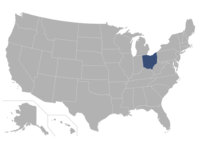
Columbus, OH