The River Runs Through It Act erodes roadless, wildlife protections
Oct 01, 2026 | 2:20 pm ET
Description
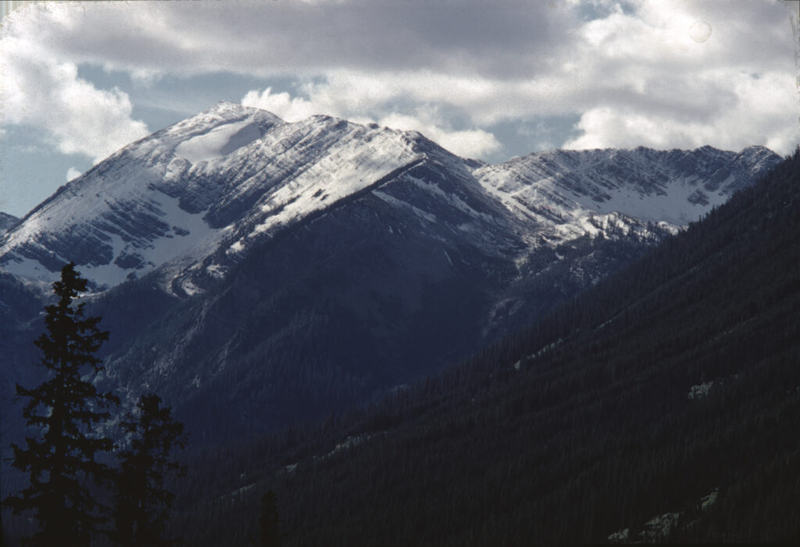
The Bob Marshall Wilderness (Photo by Victor Albert Grigas | Via Wikimedia Commons | CC-BY-SA 2.0).
The River Runs Through It Act, introduced by Montana Rep. Ryan Zinke, would protect just a fraction of public National Forest lands needed for our wildlife and fish to not only persist, but thrive.
The act contains new designations for 465,000 acres primarily in the Blackfoot and Clearwater watersheds that are home to bull trout, cutthroat trout, grizzly bears, lynx, wolverine and a large herd of elk that over-winters on the Blackfoot-Clearwater Wildlife Management Area.
Commercial logging, new roads and motorized recreation would be allowed on about 330,000 of these acres including a new 70-mile motorized loop trail through sensitive wildlife habitats. The primary elk migration corridor between the Bob Marshall Wilderness complex and winter range would be degraded.
Wilderness-quality lands that would be opened to development include all of the Lincoln Gulch, Crater Mountain, Specimen Creek and Anaconda Hill roadless areas, half of Nevada Mountain and all of the Lodgepole Creek area in the Monture watershed. It would open to development the Wales Creek and Hoodoo Mountain Wilderness Study areas. More than 36,000 acres would become permanent motorized winter recreation areas.
The roadless lands adjacent to the Scapegoat Wilderness would be split, with the less productive high elevations designated as “wilderness” and the lower elevation, more productive areas committed to logging and motorized use.
New roads create sediment-choking pollution of waterways vital to native trout recovery and corner elk into smaller and more isolated secure areas which would limit successful hunting opportunities.
The River Runs Through It Act would sacrifice both core and connectivity habitat. Habitat connectivity allows wildlife to move through a network of roadless stepping stones, providing sustainability for a multitude of species. According to the U.S. Fish and Wildlife Service, any decrease in conservation threatens the survival and recovery of grizzly bears. This is true for all threatened and sensitive wildlife.
The landscape-level approach embodied in the Northern Rockies Ecosystem Protection Act is a better strategy for protecting remaining roadless areas and habitat connectivity. That act offers a fundamentally different approach from the River Runs Through It Act, prioritizing wildlands and wildlife protection over new roads and motorized recreation.
Protecting wildlands is essential for safeguarding biodiversity and preserving migration pathways that plants and animals depend on amidst our changing climates, while enhancing the resilience of local communities by ensuring access to clean air, healthy soils and livelihoods rooted in natural systems.
Looking at the biodiversity account, the Zinke’s act makes more withdrawals than deposits. While the River Runs Through It Act would protect some areas that are deserving of “wilderness” designation, it is not nearly enough, and is short on protection in all the right places.
At a time when conservation advocates are putting so much collective effort into maintaining the roadless area conservation rule, promoting the opening of large amounts of roadless area for roadbuilding, logging and motorized use undercuts our efforts and credibility. It also sets a bad precedent for other parts of the Northern Rockies.
Another issue is process. The River Runs Through It Act was developed in an exclusionary fashion, with many conservation advocates left out, leading to over-compromise. For Zinke, who is leaving Congress, the only way to pass the bill in the short time left is to short-circuit debate and informed consent. This is the sort of sausage-making despised by the public.
This shrinking resource needs Congress to provide lasting protection. By taking action to preserve these invaluable landscapes, we invest in a sustainable future for all.
This editorial is submitted by Friends of the Clearwater; WildEarth Guardians; Flathead-Lolo-Bitterroot Citizen Task Force; Alliance for the Wild Rockies; Western Watersheds Project; Wilderness Watch; Wilderness Education School; Bold Visions Conservation; Friends of the Wild Swan; Swan View Coalition; Friends of the Bitterroot; Kootenai Environmental Alliance; Gallatin Wildlife Association; Inland Empire Task Force; Conservation Congress; Gallatin-Yellowstone Wilderness Alliance; Save the Yellowstone Grizzly; Save Our Cabinets; Rock Creek Alliance; Footloose Montana; Our Montana, Inc.
Helena, MT