A lawsuit led to Meta’s child safety standards. YouTube, TikTok and Snapchat should match them.
Nov 24, 2026 | 6:00 am ET
Description
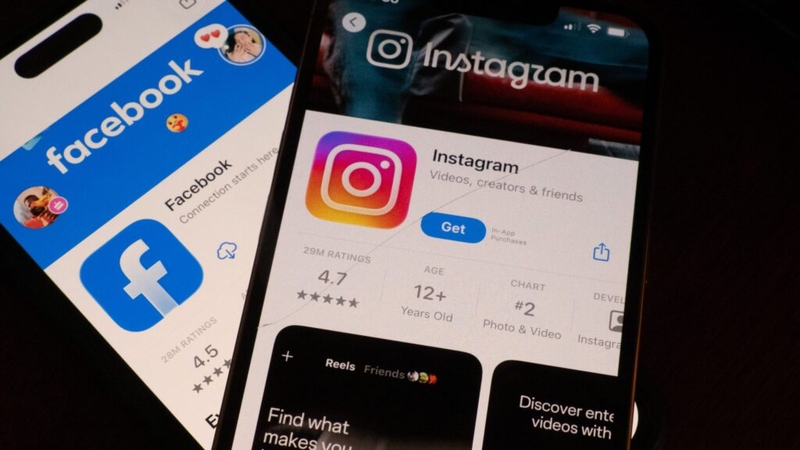
The parent company of Instagram and Facebook agreed to settle a nationwide lawsuit by paying up to $17.1 billion and implementing safety features on its platforms to protect children. (Photo by Anna Kaminski/Kansas Reflector)
As parents, we do everything we can to protect our children.
We teach them right from wrong, warn them about dangers and prepare them for a world that isn’t always safe.
But raising children in today’s digital world presents challenges previous generations never faced.
Technology offers extraordinary opportunities to learn, communicate and connect.
Unfortunately, it also exposes children to harmful content, online predators, cyberbullying and potentially addictive algorithms, often with little warning.
For years, parents have demanded stronger safeguards, greater transparency and meaningful tools to protect their children.
Now, we’re beginning to see what accountability can look like.
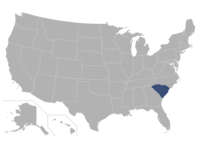
This summer, South Carolina Attorney General Alan Wilson helped secure a historic multi-state settlement with Meta alongside a bipartisan coalition of attorneys general, valued at up to $17.1 billion.
SC to receive upwards of $247M in Meta settlement over child safety on social media
South Carolina alone is expected to receive nearly $247 million.
Wilson deserves thanks for his work alongside attorneys general across the country to hold powerful technology companies accountable.
Their collective effort demonstrates what can happen when state leaders prioritize children’s online safety.
But the agreement’s significance extends beyond its financial terms.
Meta must implement daily screen-time limits, mandatory breaks from endless scrolling, overnight access restrictions, stronger age verification and expanded parental controls.
Additional safeguards address bullying, sextortion, eating disorder content and material promoting suicide or self-harm. Notifications will also be restricted during school hours.
Most importantly, these are enforceable requirements, not voluntary promises.
But protecting children on two platforms does not solve an industry-wide problem.
According to Pew Research Center survey in 2024, 90% of American teenagers used YouTube, 63% used TikTok and 55% used Snapchat.
Roughly one in six reports using YouTube or TikTok almost constantly.
Our children move between platforms throughout the day, often encountering similar content, engagement-driven algorithms and risks. What good does limiting harmful exposure on one platform accomplish if a child can simply move to another with fewer safeguards?
The Meta settlement must be a starting point, not the finish line.
If these safeguards are necessary to protect children using Instagram and Facebook, then children using YouTube, TikTok and Snapchat deserve comparable protections.
A coalition of more than 90 child-safety advocates has called on these companies to adopt similar measures.
Their message is simple: protecting young users should not depend on which company runs the platform.
Where voluntary safeguards fall short, state attorneys general should continue examining whether enforcement action is necessary.
But meaningful reform cannot stop at individual platforms.
We must also address how children gain access to applications.
The proposed federal App Store Accountability Act would require app stores to verify users’ age categories and obtain parental consent before minors download applications.
Why the App Store Accountability Act is a child safety imperative
The bill advanced through the House Energy and Commerce Committee in March but has not yet received a vote on the House floor.
The legislation extends beyond social media to gaming services such as Roblox, artificial intelligence applications and other digital products children may access.
These risks are not confined to social media feeds. They exist in private messaging, gaming communities, AI interactions and applications parents may not even realize their children are using.
The App Store Accountability Act and Meta settlement address two distinct concerns: parental involvement before an app is downloaded and safeguards once children begin using it.
Together, they could establish a more comprehensive framework for online child safety.
Parental responsibility and corporate accountability are not competing ideas. They must work together.
As a mother, I firmly believe parents have both the right and responsibility to guide their children’s digital lives through conversations, boundaries and education.
But in an ever-changing digital world, it is nearly impossible for parents to understand every platform, monitor every interaction or anticipate every risk.
We need meaningful tools, accurate information and safeguards that support our ability to protect our children while respecting privacy and parental authority.
No legislation or corporate policy can replace parental involvement.
But parental involvement should not excuse technology companies from accountability. We should not have to choose between allowing our children to benefit from technology and protecting them from preventable harm.
The goal is not to eliminate technology from their lives, but to create an environment where they can learn, communicate and explore more safely.
Attorney General Wilson and his fellow attorneys general have taken an important step toward that goal.
Now the responsibility extends to the rest of the technology industry and Congress.
YouTube, TikTok and Snapchat should adopt comparable protections, and Congress should seriously consider the App Store Accountability Act as part of a broader approach to parental oversight.
As a mother and co-founder of S.C. Family First, I believe protecting the next generation requires more than promises.
It requires education, parental involvement, responsible legislation, corporate accountability and governing with our next generation in mind.
South Carolina has demonstrated what is possible when protecting children becomes a priority.
Now we must build on that progress.
Our children’s safety should not depend on which app they open, which company owns it or whether their parents can keep up with the latest technology.
The standard has been established. It’s time for the rest of Big Tech to follow.
Columbia