No fines against Indiana retailers so far for SNAP violations
Sep 30, 2026 | 5:00 am ET
Description
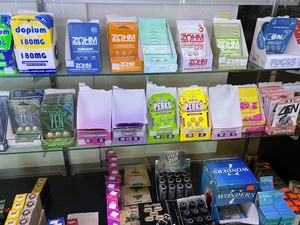
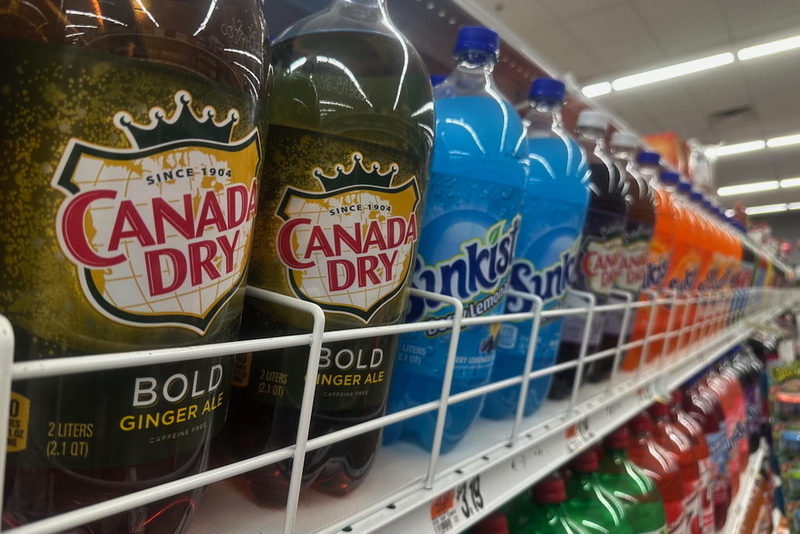
The federal government hasn't issued any enforcement actions related to its pop and candy ban against Indian retailers (Photo by Bryan P. Sears/Maryland Matters)
No Indiana retailers have been fined since the state banned the purchase of candy or soda using Supplemental Nutrition Assistance Program benefits.
A spokesperson for the U.S. Department of Agriculture’s Food and Nutrition Administration said the agency has taken action 61 times this year against Indiana retailers for either criminal or administrative violations, but none have been related to the state’s SNAP restrictions pop and junk food.
Gov. Mike Braun issued an executive order last year directing the Indiana Family and Social Services Administration, which administers SNAP benefits, to apply for a federal waiver allowing the state to restrict the use of SNAP electronic benefits transfer cards to purchase candy or soft drinks.
The order states that “despite the program’s purpose of providing a more nutritious diet to low-income households, soda is the number one commodity purchased with SNAP benefits, and purchases of sweetened beverages, desserts, and candy exceed the combined sales of fruits and vegetables with SNAP benefits.”
It further claims children enrolled in SNAP consume 43% more sugary drinks than similarly situated peers, putting them at risk of obesity, heart disease, type 2 diabetes and hypertension.
Indiana is one of 18 states approved by the USDA to test restrictions on the use of SNAP benefits to purchase unhealthy foods as part of President Donald Trump’s “Make America Healthy Again” campaign.
‘A pain’: SNAP retailers, shoppers pan Indiana sugary drinks, candy ban
Each state sets its own rules for which foods are no longer SNAP eligible — a source of confusion for retailers with stores in multiple states where SNAP restrictions differ.
Even within a state the definitions are something confusing, including Indiana.
The state defines soft drinks as non-alcoholic beverages made with natural or artificial sweeteners, unless those drinks contain milk, milk substitutes or were sweetened exclusively with juice.
Candy products prepared with sugar, honey or other sweeteners mixed with chocolate, nuts, fruit or flavorings are no longer SNAP eligible, unless the products require refrigeration.
Federal law already prohibits the sale of hot meals, alcoholic beverages or tobacco products paid for with SNAP benefits.
Retailers were given a 90-day grace period after Indiana’s waiver took effect in January to update product codes and verify which foods met the state’s definition of “candy” or “soft drinks.”
Months after the grace period ended, a federal judge blocked SNAP waivers in Colorado, Iowa, Nebraska, Tennessee and West Virginia, finding the waivers unlawful because the USDA did not have authority to redefine “food” or eliminate entire categories of food already authorized by Congress as SNAP eligible.
Joe Lackey, president of the Indiana Grocery and Convenience Store Association, said the USDA may be wary to enforce waivers in other states as a result.
“The courts could come back and force Indiana to stop doing what they did,” he said.
A spokesperson for the USDA said the agency continues to monitor each state where it has approved a SNAP waiver, excluding the five states affected by the federal court ruling.
Failure to comply with Indiana’s waiver could result in the USDA withdrawing a retailer’s authorization to accept SNAP benefits in Indiana, though the agency will first issue a warning.
The waiver will remain in effect through 2027 unless state officials apply for a renewal. The Food and Nutrition Administration division of the USDA will monitor results from waiver states in the meantime.
Lackey said some retailers confided in him that it’s become impractical to continue participating in SNAP, between state waivers and a new rule adopted by the USDA in May doubling minimum stocking requirements for basic food groups.
“In a smaller store like a convenience store or a neighborhood guide market, that in some cases makes it just not feasible to be in the program anymore,” he said, adding: “Our clerks and our stores are the ones who have to do all the education (for SNAP recipients), because they come in the store, they have their card and they say, ‘Well, what do you mean I can’t buy this? What do you mean I can’t buy chocolate chips? That’s not candy.”
Indianapolis, IN