Census changes proposed by Trump administration put accuracy, money for NC at risk, critics say
Sep 28, 2026 | 5:17 pm ET
Description
(Image: AdobeStock)
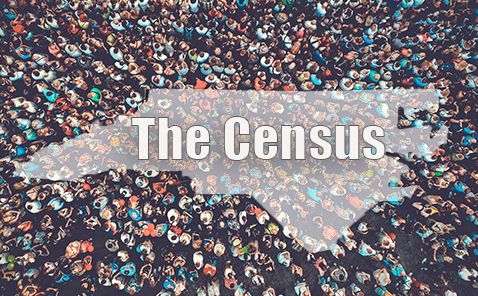
At its core, U.S. census data is about money, government representation, and community visibility.
The Trump administration has proposed changing the census to stop counting noncitizens without green cards, eliminate questions about race and ethnicity, and alter the definition of “usual residence.” The administration also wants to bar questions about gender identity.
NC Counts, a nonprofit organization that, among other things, advocates for an accurate census, co-hosted a video meeting Monday to encourage individuals and groups to submit comments opposing the new rules.
“We’re talking about proposals that would intentionally leave some people out of the numbers used for representation and remove some of the information that allows us to see who makes up our country,” said Stacey Carless, NC Counts executive director.
The census is used to allocate congressional seats to each state. States use census data to draw congressional and legislative districts. The federal government uses census information to distribute funds for health, transportation, education, and other uses.
“A huge amount of federal funding is at risk if there’s an undercount,” said David Heinen, vice president for policy and advocacy at the NC Center for Nonprofits, the other meeting co-host.
A complete count is essential to North Carolina having full representation in Congress, and to redistricting at the state and local levels, he said. Nonprofits need complete data to know where to commit their limited resources, Heinen said.
The Census Bureau has already received nearly 14,000 public comments on the proposed changes.
If the rules are approved, it’s highly likely that they will be challenged in court.
Attendees at Monday’s meeting were urged to submit comments opposing the changes, with organizers saying they could become part of a lawsuit challenging the rules. The deadline for public comments is Oct. 13.
In describing the changes, the Census Bureau wrote they would “better prioritize and fulfill its Constitutional mandate to count for apportionment the ‘whole number of persons in each State’ based on the concept of ‘usual residence’—a process that factors in an element of allegiance but otherwise should be colorblind and should not be distorted in any way by questions about immaterial personal characteristics, such as race.”
Courts stopped President Donald Trump’s efforts in his first term to add a citizenship question to the census and to exclude unauthorized immigrants from the 2020 count.
Race and ethnicity questions have been part of the census since it started in 1790. Immigration status has never disqualified people from being part of the count.
Businesses, governments, and private organizations use census data in all kinds of ways, said Nathan Dollar, director of Carolina Demography.
The data is used to measure population health and health disparities, by school districts to plan for growth, and by businesses to help understand their markets, Dollar said.
“The data are used widely, regardless of political ideology or partisan affiliation,” he said. “These proposed changes really imperil North Carolinians’ access to accurate data.”
John Quinterno, the state data center coordinator and the governor’s census liaison, compared the census to a family photo.
Limiting the census to only citizens and legal residents means that “certain people would be erased from the picture,” he said. The census proposes to use tax records to determine “usual residence,” though it has not said whether people’s residency would be changed based on tax information, or if they would be cut from the count, Quinterno said.
Removing questions about race and ethnicity and banning questions about sexual orientation would result in an inaccurate picture, he said.
The result would be “people in the wrong place, people erased, people photoshopped, and the important rich details being erased or just taken out,” he said.
Raleigh, NC