Gov. Sherrill vetoes two bills intended to help Jersey City close budget gap
Sep 28, 2026 | 4:44 pm ET
Description
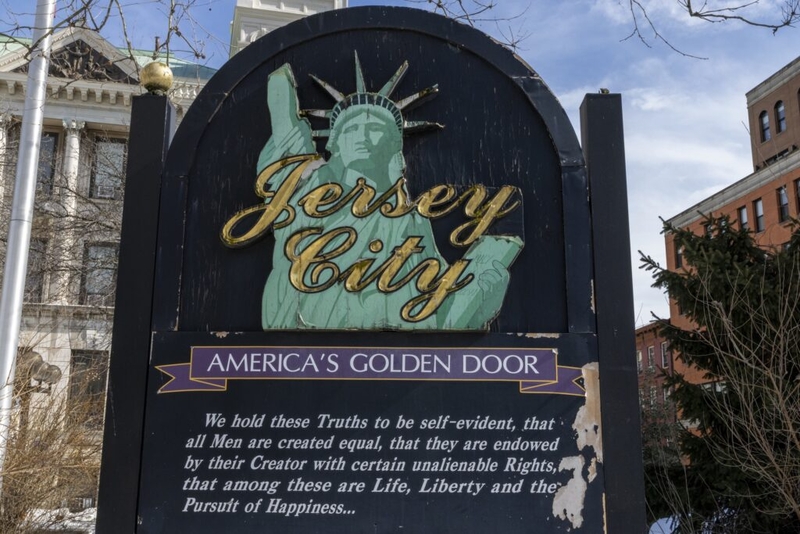
Gov. Mikie Sherrill vetoed two bills meant to bail Jersey City out of a budget deficit, blasting former city officials as "irresponsible." (Photo by Anne-Marie Caruso/New Jersey Monitor)
Gov. Mikie Sherrill vetoed two bills Monday that would have taxed car rentals in Jersey City and allowed officials there to divert tax dollars intended for open space and historic preservation to other purposes.
The vetoes were Sherrill’s first since she took office in January, and one includes some harsh language about the policymaking of former Mayor Steve Fulop, who ran against Sherrill for governor in last year’s Democratic primary.
“The residents of Jersey City are currently suffering from a fiscal crisis caused largely by the irresponsible decisions made by the City’s prior administration,” Sherrill wrote in her statement vetoing the vehicle-tax bill. “The prior administration’s over-reliance on short-term budget gimmicks and ‘one-shots’ have seriously undermined the City’s long-term stability. Going forward, sustainable revenue growth and structural reforms must be a priority. The proposed legislation is not appropriate at this time.”
That bill would have created a new 5% tax on motor vehicle rentals, increased a surtax on parking tickets, and given the city wider discretion in how to spend both that surtax and a “mass transit access tax” on fees collected at commercial parking lots that’s meant to fund pedestrian access to mass transit.
The nonpartisan Office of Legislative Services estimated that just the new car rental tax could increase the city’s annual revenue by up to $10 million and noted that the mass transit tax brought in over $10 million in 2024.
Fulop did not respond to a request for comment. Jersey City Mayor James Solomon, a Democrat who took office in January, revealed in February that the city had a budget deficit of $250 million he largely blamed on waste and mismanagement by the Fulop administration.
Jersey City spokeswoman Megan Malloy said officials there are grateful to legislators for “standing up for Jersey City every step of the way.”
“We’re disappointed that these bills were vetoed since they would have provided relief for Jersey City at a time when we need every penny,” Malloy said. “We will continue working with the Governor and state legislature at the state level, and our office is committed to using every tool possible to make sure Jersey City is on the right fiscal pathway while providing relief for our citizens.”
Sherrill noted in her veto that the bill passed less than a week after it was introduced during the last week of June, a whirlwind time when lawmakers rush to vote on bills and the state budget before they recess for the summer. During that time, lawmakers also passed two other items intended to help Jersey City’s finances, a $105 million low-interest loan and a $15 million grant.
Sherrill also vetoed a similarly fast-tracked bill introduced the same week that would have allowed Jersey City to take money meant for open space, recreation, and historic preservation and divert it this year to the city’s general fund.
Sherrill noted that the money comes from an annual levy voters in 2016 authorized via referendum that clearly specified that it would be spent exclusively on the acquisition, development, and maintenance of lands for recreation, conservation, and historic purposes.
“The will of the City’s voters should not be set aside in the manner proposed in the bill,” Sherrill wrote.
The levy is expected to generate over $1.2 million this year for Jersey City, according to an April memo from the city’s tax assessor.
Four Democrats whose legislative districts include Jersey City sponsored both of the bills Sherrill vetoed — Sens. Raj Mukherji and Angela McKnight and Assemblymen Jerry Walker and William Sampson. They did not respond to requests for comment.
The bills were passed along party lines in June, with Republicans in both chambers voting against them.
Sherrill also conditionally vetoed a bill meant to expand mental health treatment services, citing oversight concerns. She suggested amendments that, if approved by legislators, would earn her signature and help the measure become law.
Trenton, NJ