Minnesota’s school meals program should make room for kids with plant-based diets
Sep 28, 2026 | 7:00 am ET
Description
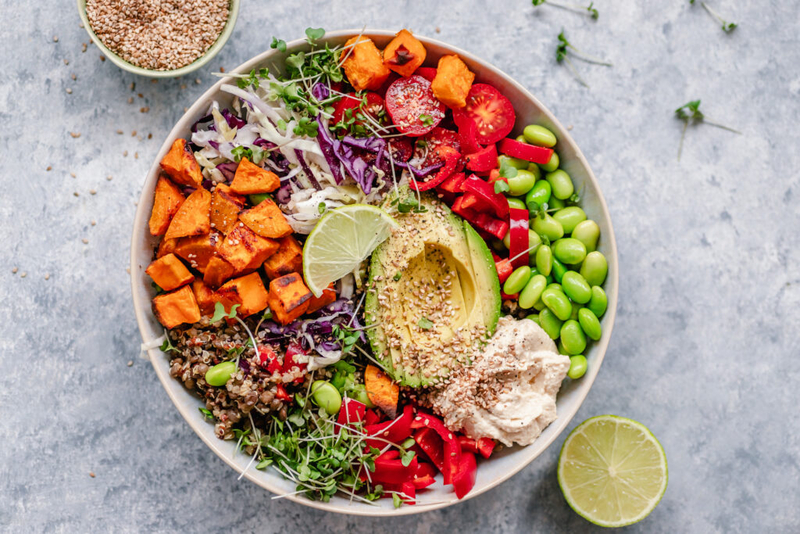
A colourful vegan bowl with quinoa, sweet potato, avocado, hummus and variety of veggies. (Photo by Getty Images)
Minnesota’s Universal School Meal program was supposed to be just that — universal. It was not meant to exclude students who need access to plant-based options for cultural, religious or ethical issues like animal rights and climate activism. Or students who need a plant-based option when pork or beef is served.
With any new program, fine-tuning is needed. The solution is not to stop serving pork and beef, although poultry growers might disagree. The common sense solution is to pass proven legislation based on an Illinois law guaranteeing students the right to plant-based school meals if requested in advance. A 2023 Gallup poll showed that 4% of Americans identify as vegetarian and 1% as vegan — excluding so many of these families undercuts the claim to universal school meals.
Why aren’t schools already offering plant-based meals?
A 2025 study found food service operators’ own perceptions of taste and cost are holding them back. When students ask for a plant-based option, regardless of the reason, they are met with resistance. Schools say plant-based meals are a dietary preference and are not considered medical conditions or disabilities, thus, the school is not legally required to accommodate. According to the Minnesota Department of Education Special Diet Handbook, however, schools can choose to accommodate dietary preferences.
What about nutrition standards?
If a school chooses to accommodate a dietary preference, they must ensure all meal pattern requirements are met for the meal to be eligible for reimbursement. In February 2025, the Minnesota Department of Education testified that plant-based meals meet all meal pattern requirements and are fully reimbursable. This contradicts Minneapolis Public Schools’ own claim, “We cannot accommodate requests for vegan meals due to USDA meal pattern requirements.” MDE said that schools also have access to waivers that allow for more flexibility when accommodating plant-based diets. New federal law makes nondairy “fluid milk substitutes” available without a doctor’s note. Plus, many groups offer free resources to help schools serve plant-based school meal options, including recipes, training, in-school food sampling, and marketing tools from both vendors and non-profits.
Is it too expensive?
Minnesota schools are reimbursed from both the state and the federal government, but districts pay for the meals first. Most food comes from commodity programs, which serve a dual purpose: They support agricultural producers and provide food to school children. Paired with farm-to-school grants, increasing participation can create a positive impact on local rural economies and bring federal tax dollars into our state. An exhibit at the 2025 Minnesota State Fair highlighted the importance of plant-based protein in our state’s agricultural sustainability.
Districts purchase food using the food service fund, which is separate from the general fund. The food service department typically pays for itself through a la carte meal charges and government reimbursement. For nutrition directors, budgeting is a balance between labor and food costs. In districts with scratch kitchens, labor cost is higher; food cost is lower. For example, dry beans are less expensive than canned beans, but a labor cost is required to cook dry beans. Districts with heat-and-serve operations have lower labor costs, higher food costs.
The initial sticker shock is the soy milk at $1.16 per carton versus $0.22 per carton of cow milk. A closer look shows the cost is offset by the lower protein cost. Milk cost can be further reduced with grants for bulk dispensers. In Portland, Maine, the local newspaper reports that “The vegan lunches haven’t added to the district’s costs, in part because the vegan lunches rely on affordable ingredients such as beans and rice.” In Ithaca, locally grown tofu and black beans from New York state cost less than meat-based options like the $1 chicken drumsticks.
Are school meals profitable?
During testimony in April 2024, Jeremy Schmidt, Superintendent of Becker Public Schools, testified that his district has a “healthy” food service fund. He advocated for taking money out of the food service fund to spend on building renovations. This is just one example of the many districts that have surplus funds from food service. They can afford to provide a plant-based option upon student request.
How would implementation work?
Minnesota has around half the student population of Illinois. Therefore we anticipate 500 students will participate, based on 1,000 students in Illinois. Many of Minnesota’s 325 independent school districts will be unaffected by the law. Districts with a handful of students participating could manage the plant-based meals through their existing special diet process. Districts with large student participation could include the option in the main lunch line. Local control over implementation will be the key to success.
Plant-based school meal option legislation would help create inclusion and equality in Minnesota’s school meal program and meet nutrition standards without overburdening districts. Mangiamo!

Saint Paul, MN