East Orange should return money it took from woman after foreclosure
Sep 28, 2026 | 6:50 am ET
Description
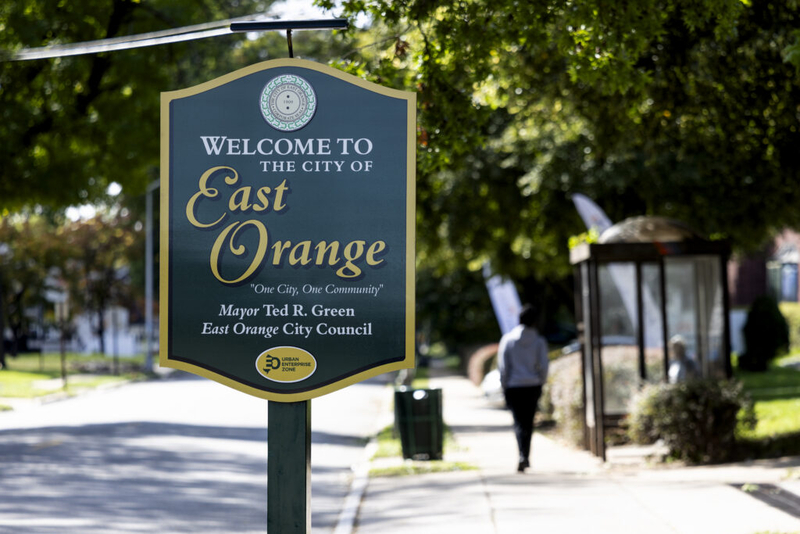
East Orange foreclosed on a woman’s property and kept all $101,000 in sale proceeds, even though she owed the city far less. The New Jersey Supreme Court is now weighing whether it should return some of it. (Photo by Anne-Marie Caruso/New Jersey Monitor)
Here’s an idea: Government officials should not steal money from their citizens.
It may seem incomprehensible that anyone would argue otherwise, but that’s precisely what happened in front of the New Jersey Supreme Court last week. Anyone concerned about government overreach should pay attention.
The court on Wednesday heard the sad case of Lynette Johnson, a woman who lost her East Orange commercial property to foreclosure and also lost all the equity that had accrued in the property because the city decided to keep more money than Johnson owed in back taxes.
We’re not talking about chump change. The sale brought East Orange $101,000, and Johnson said she only owed about $25,000. The city says it was owed about $55,000. Either way, East Orange’s coffers were padded with at least $46,000 in ill-gotten gains. East Orange’s budget amounts to $173 million this year.
The U.S. Supreme Court declared three years ago that what East Orange did was an unconstitutional taking, but Johnson’s case began before that ruling, so here we are.
The city’s and state’s attorneys made two chief arguments. One is centered around the entire controversy doctrine, a New Jersey court rule that typically requires all related disputes to be brought in a single case. The argument there is that Johnson should have, when she was fighting the foreclosure process, also argued that East Orange was illegally seizing the equity in her property — even though the property hadn’t been seized yet and there’s no reason to believe a layperson would even know that the city could take all the profit, too. The other argument is that the U.S. Supreme Court ruling should not be applied retroactively to cases already closed. The city and the state say that, yes, we now know the Constitution does not allow us to steal the equity in someone’s property because of foreclosure, but that doesn’t mean we should be punished for doing it previously.
Attorneys fighting Johnson also argued that towns would be on the hook for untold amounts if people who lost their homes to foreclosure are allowed to get back the equity taken from them before the U.S. Supreme Court decision.
David Deerson, an attorney with Pacific Legal Foundation who represents Johnson, said he’s tried to get those attorneys to be more specific about how much money they expect towns would lose if his client prevails here, but they have not.
“You keep saying this is going to be a huge liability. Why don’t you put some numbers on it, why don’t you give us an estimate? And they never really did,” Deerson said.
But this is all legal mumbo jumbo, and this case is so simple that Chief Justice Stuart Rapner summed up the major arguments with one question during Wednesday’s hearing.
“How is it fair to take and keep surplus equity that rightly belongs to the former property owner?” he asked.
It’s not fair. It wasn’t fair before the U.S. Supreme Court ruled on this issue, and it’s certainly not fair now.

Trenton, NJ