Protect Yourself: Scams Surge When Disaster Hits, Even In Hawaiʻi
Sep 28, 2026 | 6:01 am ET
Description
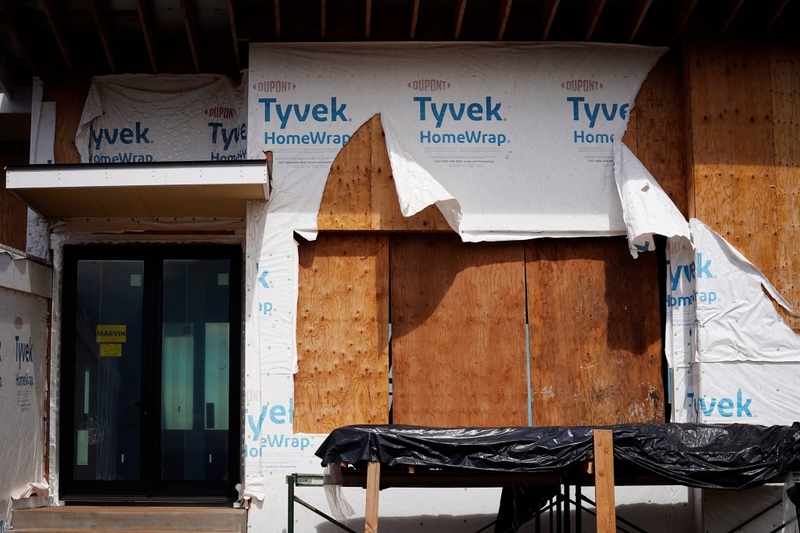
Photo courtesy of Honolulu Civil Beat
This story is a collaboration between Honolulu Civil Beat and Inside Climate News.
All over Hawaiʻi, property owners are hoping to rebuild homes and businesses destroyed by recent disasters.
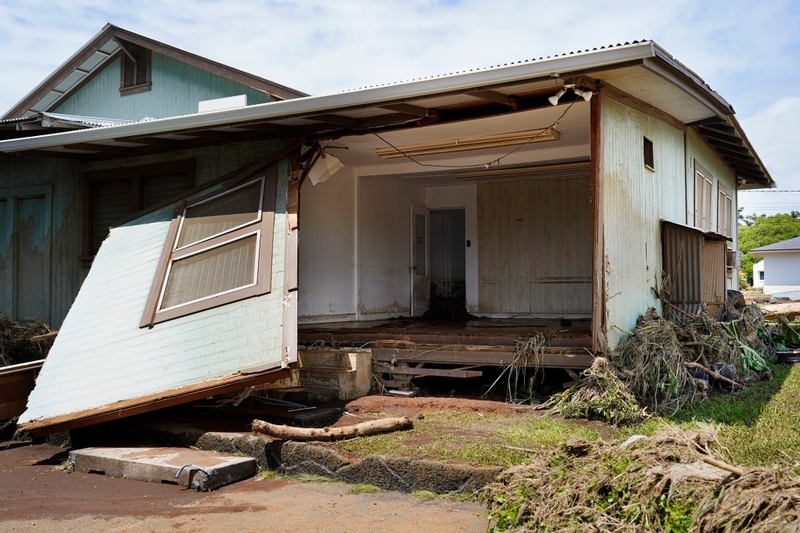
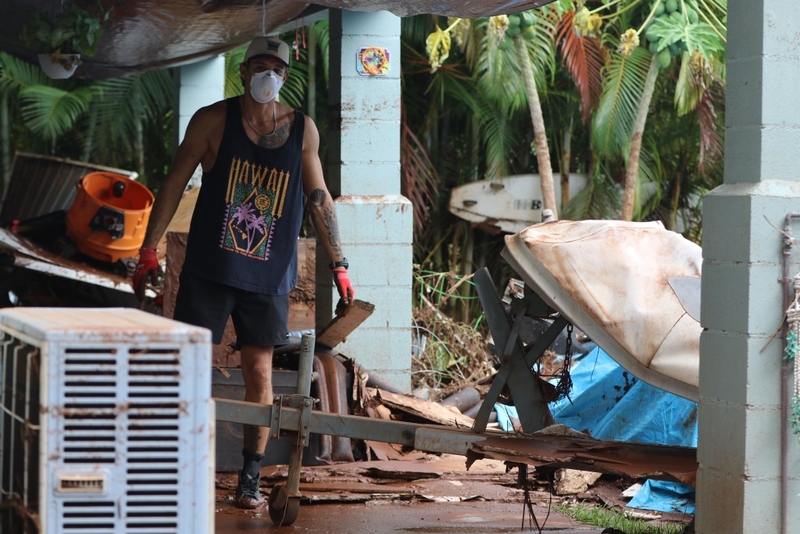
Many Kauaʻi and Hawaiʻi island residents are still assessing the damage caused by downed trees and utility poles or cleaning the mud and sewage that flooded their homes during Hurricane Lowell this month and Hurricane Lala last month. On Oʻahu, Maui and Molokaʻi, homeowners are in various stages of rebuilding properties that were destroyed during back-to-back Kona low storms in March and the deadly 2023 wildfires.
Recovery is already an uphill battle, but too often it brings another hazard: scams.
“We all like to think, as we’re born and raised in Hawai’i, that that local aloha spirit is there, that people will genuinely always be good to you because you’re in a bad position, but that’s not the reality,” said state Sen. Angus McKelvey, who lost his home in the Lahaina fire.
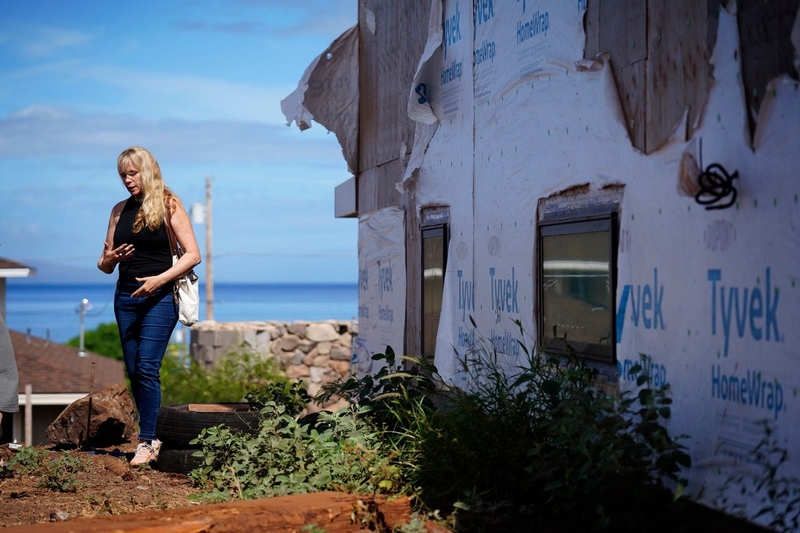
Home repair and contractor scams proliferate after natural disasters. Since the Lahaina fire, dozens of people have contacted local and state officials about serious problems with their contractors. But more than three years after the disaster, officials have filed no criminal charges against contractors for post-wildfire misconduct, and state regulators said they did not believe that any licenses had been revoked, a Civil Beat and Inside Climate News investigation found earlier this month.
Because climate change is expected to ramp up the frequency and intensity of natural disasters, Hawaiʻi residents must know how to protect themselves from contractor fraud and other common post-disaster scams.
“Education is so key,” said Heidi Ho, executive director of a Maui-based legal nonprofit formed in the wake of the 2023 disaster to provide free legal advice to the community. “At least now we can hopefully get ahead of it.”
Ho and her organization, PONO Legal, are working with community organizers and officials on Kauaʻi and Hawaiʻi island to support residents affected by recent disasters there. Addressing scams and fraud after the fact is difficult, so Ho said she hopes other islands can learn from survivors’ experience on Maui and increase public awareness before it's too late.
Maui County Prosecutor Andrew Martin and other officials emphasized that anyone can fall victim to contractor fraud or other scams, and it is not something to feel embarrassed or ashamed about. Local and state law enforcement officials have been working to hold contractors accountable for harming homeowners, Martin said, but filing criminal charges related to fraud and scams can take a long time. He urged homeowners to report all instances of suspected fraud and take steps to reduce the odds of being scammed.
“It’s every professional’s responsibility to follow the law, to be licensed and engage in good business practices,” Martin said. “But I also want to make sure that people are able to protect themselves against the bad actors, because they’re out there.”
Hiʻilei K. Casco, a staff attorney at PONO Legal, urged homeowners to trust their gut and pay attention to concerns about contractors, even if they’re in the middle of a build. If something seems to be going wrong, they should withhold payment until the issue is resolved, Casco said.
“No concern is too small in these types of situations, especially after disasters where exploitation is much higher,” she said. “Homeowners’ funds are their greatest leverage.”
What Can I Do To Protect Myself?
- Document everything: After a disaster hits, be sure to take photos and videos of any damage before you begin cleanup so you can show your insurance company the full scope of damage, like flooding or rubble. Continue to document throughout the rebuilding. If you are having problems with your contractor, don’t just call them. Explain your complaints and describe any incorrect or substandard work in texts or emails, and save these communications. They will be helpful if you have to file official reports.
- Be wary of solicitors: Scammers often come to you to offer their services. They may approach you on your property or after identifying you as a potential target following a community meeting, or they may reach out to you over the phone or by email.
- Get estimates from multiple contractors and your insurer: If an offer seems too good to be true, it probably is.
- Ask for and verify customer references: Negligent or nefarious contractors may tell you that they have worked with specific people or share photographs of projects they claim to have completed. Don’t take their word for it. Check up on those claims.
- Research your contractor: You can use the state Department of Commerce and Consumer Affairs “Business Check” website to make sure a contractor is licensed, in good standing and insured to protect you from liability if an accident occurs on your property. You may be able to read reviews for contracting companies online and on the Better Business Bureau website, but scammers may frequently change their business’ name, so also search on the name of the business owner, the business’ filing address or its phone number, along with terms such as “review,” “scam” and “complaint.”
- Get agreements in writing and scrutinize the terms: Before signing a contract, read it carefully and consult a lawyer, case manager or other expert if you can (some organizations like PONO Legal offer these consults for free). Contracts are required by law to include details such as the work to be performed, total costs and the projected start and completion dates. Never sign a contract that does not specify the total dollar amount or that has blank spaces to be filled in later. The contract should also include information about subcontractors and the homeowner’s lien rights, which will protect you if the contractor fails to pay their workers.
- Be careful when making payments: Do not offer personal financial information over the phone or use reloadable debit or gift cards as payment. A down payment is not typically more than 10% to 20% of the project’s total cost, and subsequent payments should follow a schedule based on work satisfactorily completed. Discuss concerns with your contractor and don’t continue paying until issues have been resolved.
- Hold your contractor accountable: Ensure contractors obtain the necessary permits to do the job, and take a picture of your contractor, their vehicle and license plate and/or the contractor’s business card and driver’s license. Keep good records of communications, payments, work performed and any issues that come up.
What Should I Do If I Think My Contractor Is Scamming Me?
- Report the misconduct: Any concerns you may have about a contractor can be reported to the state’s Regulated Industries Complaints Office by calling 808-587-4272 or by filing a complaint online. That’s where to report if a contractor is operating without a license. You can also file a police report and reach out to your county’s prosecuting attorney. If you are rebuilding following a federally declared emergency, the federal Disaster Fraud Hotline at 866-720-5721 is available 24 hours a day. Reporting problems can help officials take action against repeat offenders, but it may not result in financial relief for victims. Victims can consider civil litigation, although the process can be time consuming and costly.
- Tell everyone you know: Word of mouth can help protect your neighbors from similar scams.
- Ask for help: On Maui, organizations like PONO Legal and Ho'ōla iā Mauiakama Disaster Long Term Recovery Group can provide some guidance and support for homeowners dealing with scams, but avenues for survivors to recoup lost funds are limited.
- Remember that you are not alone: Contractor fraud and misconduct are common. Many disaster survivors find it demoralizing to see few consequences for contractors preying on people desperate to rebuild their lives; some said they question whether reporting their experience is even worth it. But you can help others avoid scammers if you seek support.
Where To Seek Help
Maui Police Department: (808) 244-6400
Department of the Attorney General: (808) 586-1500
Maui County Department of the Prosecuting Attorney: (808) 270-7777
PONO Legal: (808) 244-1580
Hoʻōla iā Mauiakama Disaster Long Term Recovery Group Case Management: (509) 846-5101
Kaua'i Police Department: 808-241-1711
Hawaiʻi Police Department: (808) 935-3311
Honolulu Police Department: (808) 529-3111 or file a report online
Department of the Attorney General: (808) 586-1500
Maui County Department of the Prosecuting Attorney: (808) 270-7777
PONO Legal: (808) 244-1580
Hoʻōla iā Mauiakama Disaster Long Term Recovery Group Case Management: (509) 846-5101
Kaua'i Police Department: 808-241-1711
Hawaiʻi Police Department: (808) 935-3311
Honolulu Police Department: (808) 529-3111 or file a report online
Honolulu, HI