Facing a lawsuit, SC Ports ratifies former CEO’s severance deal a year later
Sep 23, 2026 | 4:41 pm ET

Description
Barbara Melvin resigned from the S.C. State Ports Authority on Aug 21 2025, receiving a severance package of nearly $1 million. The deal has drawn the scrutiny of a public records advocate. (File photo courtesy of the S.C. State Ports Authority)
MOUNT PLEASANT — The South Carolina State Ports Authority, embroiled in a lawsuit over its former director’s severance package, this week retroactively voted on the nearly $1 million payout to Barbara Melvin but denied it did anything to violate state laws.
The maritime agency’s board of directors on Tuesday unanimously approved the severance deal Melvin received in August 2025 after she abruptly resigned as president and CEO.
The severance package had not been previously voted on in public, prompting a lawsuit by Frank Heindel, a retired Mount Pleasant businessman and long-time public records advocate.
Heindel, in the lawsuit filed last month in Charleston County, alleges the authority violated both the state’s Freedom of Information Act and a separate law governing the maritime agency when it failed to vote on the severance deal.
Lawsuit argues SC Ports’ payout to former CEO violated state law
State law requires the authority to publicly vote on compensation — including severance — for the authority’s executive director and division directors.
The authority, in its response to the lawsuit filed last week, denied any wrongdoing and said the separation agreement did not require a public vote.
However, following a closed-door session Tuesday, authority board member and treasurer James Burns called for a vote on the matter, saying the lawsuit “is a distraction from the port’s overall mission, and I think we need to move forward.”
Burns said the severance package was part of an employment agreement the board had previously voted on but asked that it be ratified separately after the fact. There was no further discussion following the unanimous board approval.
Heindel this week questioned the board’s reasoning.
“If no public vote was required, as the ports authority told the court last week, there was nothing to ratify,” Heindel said. “The board’s vote confirms what the law required all along. It just came a year late and after a lawsuit.”
Heindel’s lawsuit also alleges the authority repeatedly violated public records laws by failing to state the specific purpose of closed-door sessions. Historically, authority chairman Bill Stern has recited a boilerplate list of all allowable purposes for an executive session without specifying which ones will be discussed.
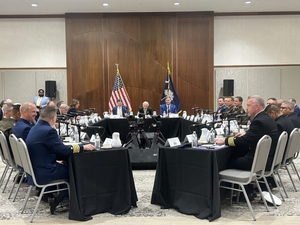
On Tuesday, Stern stated just the two issues that would be discussed behind closed doors: contractual matters and the receipt of legal advice regarding agency personnel.
Heindel said that still doesn’t comply with state law.
“Announcing a ‘proposed contractual matter’ doesn’t meet FOIA’s specific-purpose requirement,” Heindel said, adding Stern’s description isn’t specific enough.
The state’s Supreme Court ruled in 2015 that FOIA law “is not satisfied merely because citizens have some idea of what a public body might discuss in private,” he said.
Heindel said he doesn’t want to litigate the terms of the severance agreement, which gave Melvin $822,780 in pre-tax salary continuation payments and a $100,000 contribution to her state retirement account.
Instead, Heindel said he wants a judge to declare the authority violated state law. He also wants an injunction banning the authority from taking similar action in the future, and he wants the agency to pay his attorney’s fees.
In addition, Heindel wants the authority to be ordered to post any finding that it violated state law on the agency’s website for six months.
A court hearing is scheduled for Oct. 19 in Charleston.
Melvin, who held the authority’s top job for a little more than three years, resigned without prior public notice on Aug. 21, 2025. She did not give a reason for her departure, other than to say she planned “to pursue other opportunities.”
Heindel has taken legal action in the past to hold public entities accountable.
For example, he sued Dorchester County in 2024 over its refusal to publicize the amount of water a Google data center will use once it is completed at the county’s Pine Hill Business Campus. The county ultimately relented after fighting for nearly a year in court, reversing its previous stance that the information was a closely guarded trade secret.
Last fall, Heindel sued for information on how the University of South Carolina distributed money to student athletes, which resulted in the state Legislature passing a law this year to keep such payments secret. The exemption from the Freedom of Information Act became law after legislators overrode Gov. Henry McMaster’s veto.

Columbia