School’s back in session. Let’s talk mental health.
Sep 23, 2026 | 7:00 am ET
Description
(Photo by Getty Images)
Mental illnesses among youth — and especially depression and anxiety — have increased over the past decade according to many studies. So it’s important for parents to learn the warning signs and what resources are available.
Pay attention to changes – changes in how a child is eating, sleeping, performing in school and dealing with friendships, along with changes in mood and interests (sports, music, art, etc.). A child may also complain of headaches or stomach aches. Parents should examine the intensity and length of time of these symptoms. Isolating in their room for a day or two is normal, but isolating for weeks is not. If you have concerns, parents should talk with their child’s physician and school social worker along with checking their insurance to see which mental health providers are in their network (try FastTrackerMN).
Taking off work to bring a child to therapy or navigating the mental health system can be difficult. Over the past 15 years Minnesota has believed that the best place to address children’s mental health is in the schools — going to where children already are eliminates many barriers to accessing treatment.
So how equipped are our schools to address mental health?
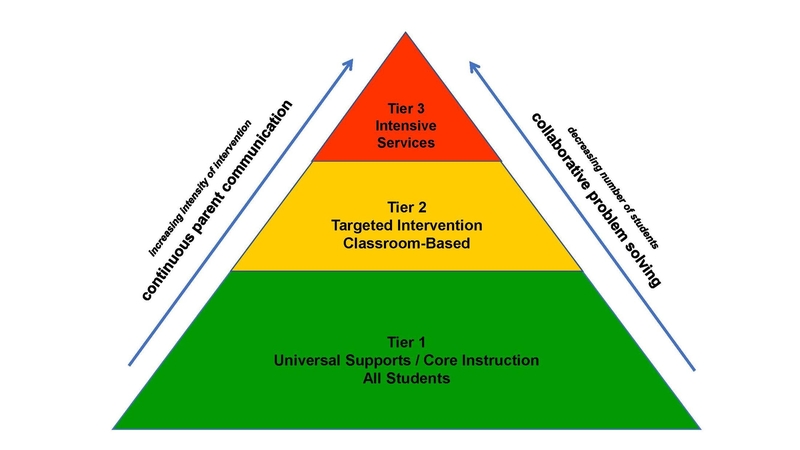
Children are in school a substantial part of the day. So it makes sense to have schools focus on mental health (which can also help students learn). There is a framework called multi-tiered systems of support. Not every student needs the same level of support but we need to have all the levels of support.
Minnesota was the first state in the country to require teachers to receive continuing education on the early warning signs of mental illnesses in students. Later, suicide prevention education was added. Coaches who are licensed teachers receive this training, but they also receive additional training on eating disorders.
Students should also understand mental health and mental illnesses. This fall, schools are required to educate students grades 4-12 about mental health and mental illnesses. There is a list of courses schools can use, but it’s important that when educating students on suicide prevention that evidence-based practices are used. All student IDs in Minnesota include 988, the Suicide and Crisis Lifeline, and the local mental health crisis team number.
Many schools offer social-emotional learning, especially in the early grades, which helps children manage their emotions and build healthy relationships. Social-emotional learning is also used in Minnesota to prevent and address bullying. Goldie Hawn’s program on meditation called MindUp is also popular in schools.
Ask younger kids how they handle big feelings, and many talk about the breathing exercises they learned in school.
The Safe and Supportive Schools Act protects students from bullying, which is important because bullying can lead to students struggling with their mental health. The Minnesota Department of Education provides guidance to schools and parents, and students can contact the department if their concerns aren’t addressed.
School support personnel play an important role in helping students who may be struggling. This includes school social workers, school psychologists, nurses and and school counselors. It’s important to note that if the word “school” is before their profession, they are not necessarily licensed mental health professionals. So, while they may listen and try to help students who are struggling, they are not licensed to diagnose and treat. People often confuse school counselors with therapists, but school counselors are trained to focus more on academic counseling.
In some urban areas social workers in schools can often be a licensed clinical social worker. In these situations, students in special education on Medicaid can receive treatment from licensed social workers in the schools. Schools can then bill Medicaid for services and therapy.
Minnesota created a program called “school-linked or behavioral-linked” in 2006. Grants go to community mental health providers, which then co-locate in the schools, making it easier for students to access mental health care. Providers work closely with school support personnel and teachers, and there is a firewall between educational and health care records. Public and private insurance is billed for services, and the grant funds cover the costs for students who are under- or uninsured and to pay for activities not covered under insurance. It is not limited to students in special education. This extremely popular program covers about 86% of districts and 57% of school sites. Last year this program served 21,615 students. Here is a current map of this program.
Full-Service community schools provide a wide range of resources and services to support the healthy development of students. This can include health and mental health care being provided at the school.
High schools are required to have plans to allow a student to meet with a mental health professional via telehealth at the school. This includes how to ask for a space to ensure privacy.
What if your child cannot attend school due to their symptoms? Missing school due to a child’s mental health symptoms or appointments/programs to treat a mental illness (including through telehealth) are valid excuses. A school may require a note from a physician or a licensed mental health professional. Some families have struggled with their child being labeled a truant for missing school due to their mental illness, but state law is clear.
Lastly, schools need resources to address suicide. Three national organizations have toolkits to assist schools in addressing this issue: Suicide Prevention Resource Center, American Foundation for Suicide Prevention and the Jed Foundation. How schools respond to a suicide is equally important to prevent a potential contagion.
As with any health care condition, early identification and treatment yields the best outcomes. Educate yourself on the warning signs and know that teachers and school personnel are also watching for those warning signs. There are resources available for your child and family. If you have questions, reach out to advocacy organizations such as NAMI Minnesota, Minnesota Association for Children’s Mental Health and PACER.
Minnesota has made great strides in building a mental health continuum in our schools. But we have more to do:
- Fully fund school-linked mental health.
- Increase funding for all school support personnel (too often we only focus on school counselors).
- Ensure that mental health and suicide prevention education is evidence-based.
- Enhance efforts to prevent and address bullying.
To learn more about best practices around school mental health visit the National Center for School Mental Health and read their new report on this issue.

Saint Paul, MN