Honolulu Spilled 27M Gallons Of Sewage In A New System Failure
Sep 21, 2026 | 6:01 am ET
Description
Photo courtesy of Honolulu Civil Beat
Two and a half weeks after Tropical Storm Lala dumped more than a trillion gallons of rain on the islands, Honolulu issued a press release with another startling number: A sewage spill during the storm had leaked roughly 26 million gallons of bacteria-laden effluent mixed with stormwater into Honolulu Harbor.
It may be one of the worst spills since 2006, when nearly 50 million gallons of sewage were released into the Ala Wai Canal as a result of heavy rains.
“We don’t get this very often,” Honolulu Department of Environmental Services Director Roger Babcock said in a recent interview.
As the city continues to spend billions of dollars on federally mandated sewer upgrades, storms like Lala are challenging the strength of those upgrades and forcing officials to confront new and unexpected issues.
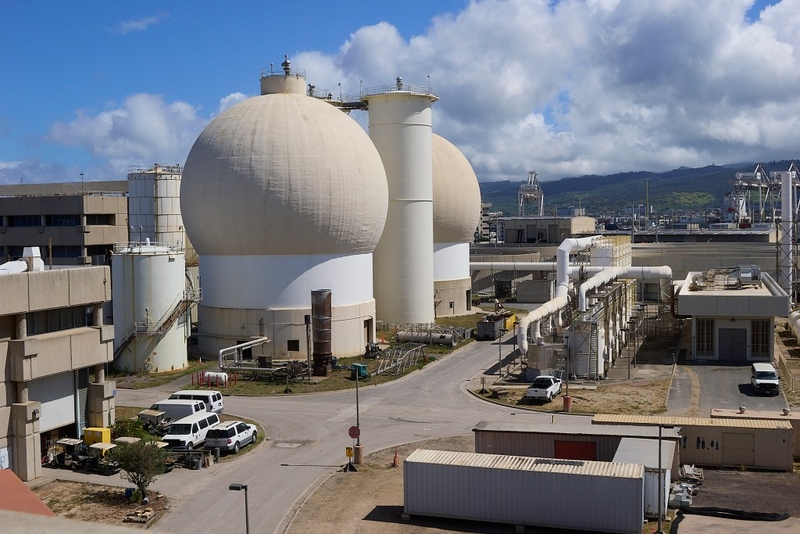
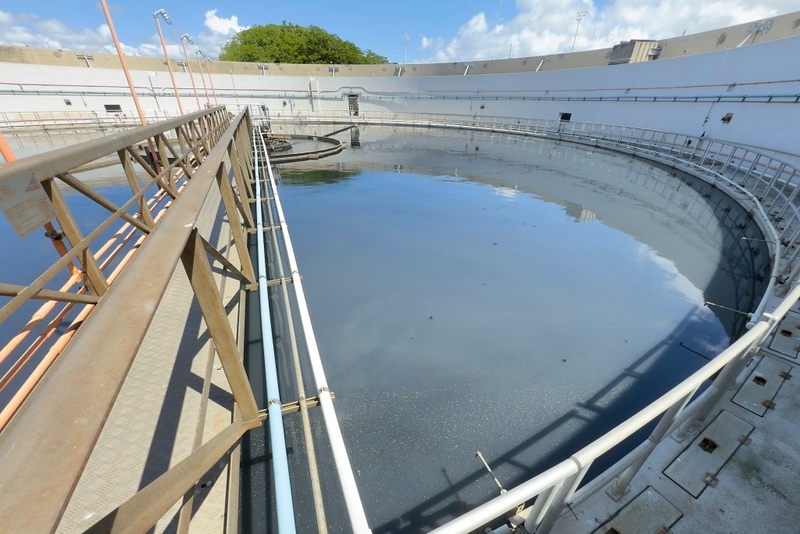
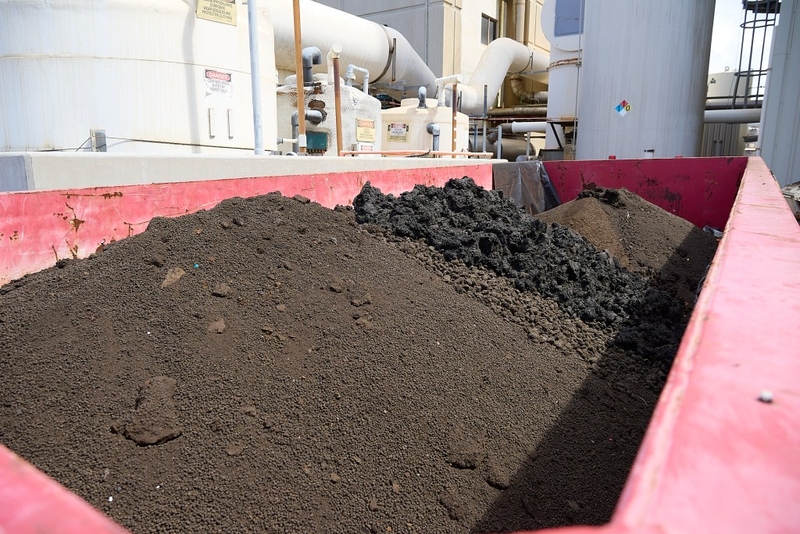
The bulk of the spill — 26.1 million gallons of it — was caused when filtering screens at Sand Island Treatment Plant became clogged with debris, the press release says, backing up wastewater and causing it to enter storm drains.
August’s spill of 26 million gallons is one of the largest in recent memory.
The 50 million-gallon spill in 2006 occurred during an infamous period of 40 days of continuous rain, and it caused beaches to close from Magic Island to Fort DeRussy.
Sewage in far smaller quantities can still be harmful. In 2015, Tropical Depression Kilo contributed to roughly half a million gallons of sewage spilling near the intersection of Atkinson Drive and Ala Moana Boulevard, shutting down ocean access from Kūhiō Beach to Kakaʻako.
Babcock said the screens didn’t clog during previous bouts of heavy rain and that the federal agreement that has been governing Honolulu's sewage system upgrades did not anticipate them being an issue. Even March’s back-to-back Kona lows didn’t clog the screens, he said, and it’s therefore hard to know exactly what the best course of action is to prevent it from happening again. The city is hiring a consultant to help study the problem.
“We need to do a really thorough analysis,” Babcock said.
'Where Are We Going To Spill?'
When somebody flushes a toilet in urban Honolulu, its contents flow through a series of pipes to the Sand Island Wastewater Treatment Plant, where roughly 60 million gallons of sewage are treated each day before being spat into the ocean. Many issues can arise along the way.
The pipes carry sewage using a combination of gravity and electrical pumps. If the pipes are too old, they can break, leading to spills. And if a pump stops working – whether that be because of a power outage or a broken gasket – sewage can back up, also leading to spills. To clean up the spills, the city uses vacuum trucks.
Frequent sewage spills have gotten the city into legal trouble before. To settle a series of lawsuits over the spills from organizations like the Sierra Club, Honolulu entered a global consent decree with the federal government in 2010 with a few main tasks: Fortify its collection system of pipes, and use a more advanced treatment method at its wastewater treatment plants.
“In general, the concern is always public health,” Babcock said. “The rules and stuff are set up so that we could limit public exposure to sewage.”
The city’s first first order of business under the consent decree — sprucing up a series of century-old pipes in order to minimize spills on city streets — lasted from 2010 to 2020.
Then, to break down solid waste, the consent decree also said to add biological treatment -- a system for breaking down waste and removing contaminents rather than just physically separting solid and liquid waste -- to Sand Island and Honouliuli Wastewater Treatment Plant. The work at Honouliuli finished in 2024, while Sand Island’s first phase of this finished last month with a final deadline in 2035.
City data shows that the number of spills has decreased from 200 to 31 between the years 2006 and 2024.
During heavy rainstorms, Babcock said, his staff tries to avoid spilling sewage onto the street by pushing it along toward the wastewater treatment plants.
“It’s sort of inevitable that you’re going to have some spills,” he said. “So we as a department have to decide: Where are we going to spill?”
The vast majority of the spill during Lala occurred at Sand Island Wastewater Treatment Plant. The city was able to recover more than half a million gallons of spilled sewage from Sand Island, though that still left 25.45 million gallons to spill into storm drains leading out to Honolulu Harbor. Crews were able to fix the problem by first focusing on clearing debris from one screen, which then relieved pressure on the other three screens affected and allowed crews to clean those.
Other spills that day occurred in Kakaʻako at the Ala Moana Wastewater Pump Station, due to power outages and a broken gasket on a backup generator, where 700,000 gallons spilled and 150,000 gallons were recovered. Those same outages also caused a wastewater backup nearby at 425 South Street, where building management pumped the water onto Auahi Street to protect the building’s electrical system, the city’s press release says.
In addition, a manhole overflowed near the back of Mānoa Valley, causing 100 gallons of sewage to spill. Babcock said that location is a frequent issue, and until his department permanent fixes it, he preemptively places crews there with vacuum trucks during stormy weather.
Steve Holmes, a former Honolulu council member and the Sierra Club’s point person for monitoring the city’s consent decree progress, said Honolulu’s stormwater collection and its sewage collection are technically separate systems. But cracks and breaks in the sewage system let stormwater seep in, he said, adding strain to the wastewater treatment system when flows are high.
“I know people aren’t happy about sewer fees going up,” Holmes said, referencing recent increases to help pay for the upgrades, “but when we first started this process we had hundred year old pipelines in Honolulu. And they were in terrible condition.”
Honolulu, HI