Trees in coastal temperate rainforest spared from the chopping block
Sep 21, 2026 | 7:00 am ET
Description
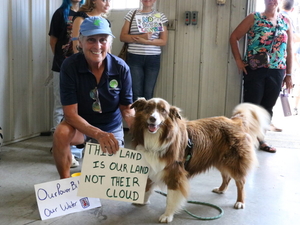
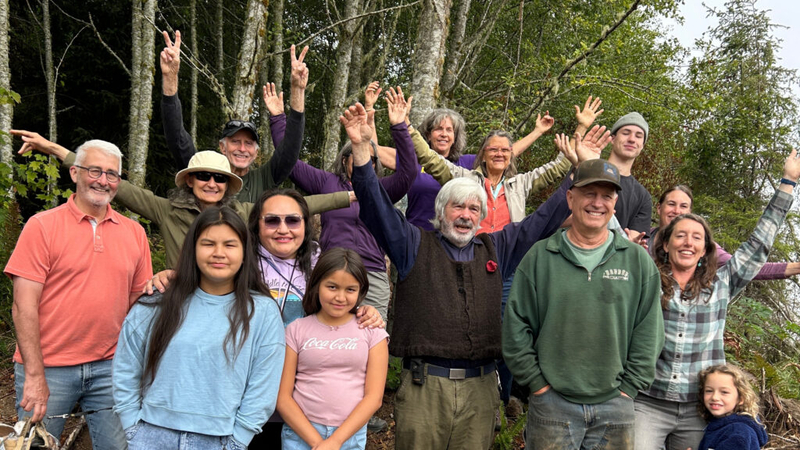
Members of the Elwha Legacy Forests Coalition celebrated a major milestone in August when the group fundraised $260,000 to conserve 13 acres of forests in the Doc Holliday timber sale. By mid-September, they raised enough to bring the total to 29. (Photo courtesy of the Elwha Legacy Forests Coalition)
A grassroots organization has successfully raised enough money to spare 29 acres of trees on state forestland in the Northern Olympic Peninsula from being cut down, employing a new conservation method that also replaces timber revenue.
The Elwha Legacy Forests Coalition struck a deal with Webster Logging, which purchased a timber sale west of Port Angeles from the state Department of Natural Resources. The company agreed to sign away its right to harvest some of the forests if the coalition raised enough money to cover state logging fees and replace the timber revenue it would have made.
In about a month, more than 7,500 people donated to the coalition’s GoFundMe campaign, bringing total fundraising efforts to $563,000. A $75,000 donation from the Holdfast Collective, a nonprofit arm of the outdoor gear company Patagonia, and another $72,000 donation from an anonymous donor brought Elwha Legacy Forests to the finish line.
Elizabeth Dunne, the Earth Law Center attorney who facilitated the contract between the coalition and logging company, called the protected acreage an “ecological sanctuary” containing rare groves of coastal temperate rainforest.
“People want to see these forests protected and are willing to find solutions,” Dunne said.
In 2024, Bruce Webster signed a $620,000 contract with the Department of Natural Resources for the Doc Holliday timber sale, which included 74 acres of forestland. Over the course of a few months, the coalition has raised enough money to conserve 29 of those acres.
The Elwha Legacy Forests Coalition signed its first contract with Webster in May. They fundraised $32,000 to save 2 acres of trees surrounding the Sadie Creek Campground, marking what appeared to be the first agreement of its kind in Washington between a state timber sale purchaser and a nonprofit organization.
“As long as I get paid what I would’ve made, I have no problem working with them,” Bruce Webster, owner of Webster Logging, previously told the Standard.
In August, the coalition fundraised $260,000, saving another 13 acres. Upon reaching that milestone, Webster gave members of the coalition more time to raise money to cover the remaining 14 acres of trees he was prepared to cut. By mid-September, they did.
“Maybe this is just the beginning of work that we could do on the peninsula,” said Greg Curtis, executive director of the Holdfast Collective, which contributed $75,000 to the GoFundMe. “We made a pretty fast decision to jump in.”
The coalition paid enough money to cover the timber value, logging costs and the fee that the Department of Natural Resources charges purchasers. The fee goes to the agency and local government services.
“Everyone is made whole,” Dunne said. “Why would we be losing these incredibly valuable forests … when we have, you know, a number of alternatives and a demonstrated interest by the public in protecting them?”
Public Lands Commissioner Dave Upthegrove previously described the 2-acre agreement between Webster and the coalition as “uncharted territory.” The contract does not include the Department of Natural Resources, and in theory, the agency could sell the remaining forests in a future timber sale.
Upthegrove supports conserving old-growth forests. Since taking office, he’s set aside 77,000 acres of state forestland for conservation. At the department, a work group has begun developing policies for conservation leases, which could operate in a similar fashion as the coalition’s agreement with the logging company but would have agency involvement, Upthegrove told the Standard in May.
As of September, the idea is still in development, said Michael Kelly, spokesperson for Department of Natural Resources, who noted he’s hopeful updates on progress will come soon.
There are a number of alternatives to logging state forestlands, Dunne said.
The Department of Natural Resources and the Legislature can designate land as natural areas, shielding them from logging. The Legislature could also appropriate money to replace revenue that counties and other taxing districts would otherwise receive from timber sales.
“We’re on the cutting edge of moving toward these opportunities on state lands,” Dunne said.
Olympia, WA