How the EPA rollback of carbon emission rules could play out in Georgia’s coal-fired power plants
Sep 17, 2026 | 2:48 pm ET
Description
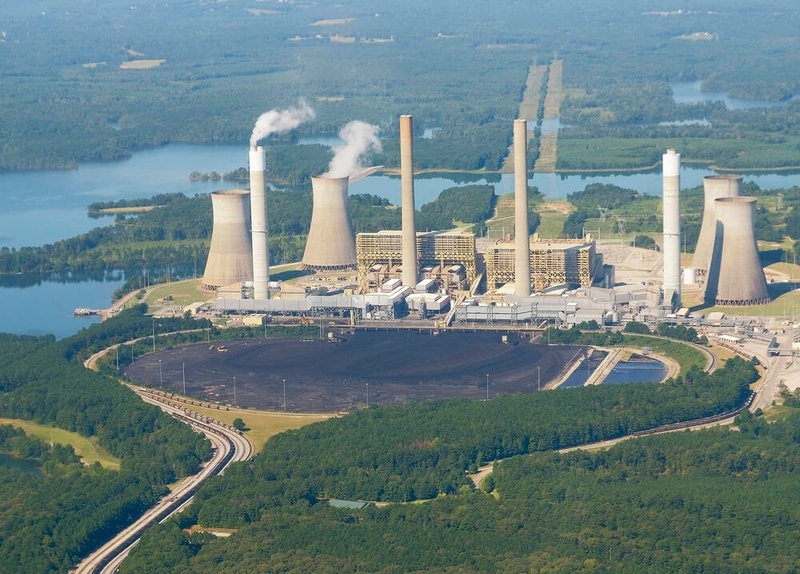
The coal yard of Georgia Power's Plant Scherer is seen Sept. 3, 2025.
Credit: Grant Blankenship/GPB News
The federal Environmental Protection Agency has rolled back rules restricting climate warming emissions at electrical power plants, including those in Georgia.
The rules the EPA ended this week date from the Biden administration and would have required coal and natural gas-fired power plants to restrict carbon emissions starting in 2030.
That was about the same time Georgia Power had planned to shutter its two largest coal plants — Plant Bowen, which is north of Atlanta, and Plant Scherer, just north of Macon. But now with the data center boom, Georgia Power is keeping the plants running. With the help of a third coal plant over the border in Alabama, Georgia Power hopes to meet fully 70% of the data center demand.
Plant Scherer is on the Ocmulgee River, in the Altamaha River watershed. Altamaha Riverkeeper Fletcher Sams said the decision is a greenlight for unchecked pollution.
“This rollback is going to allow Georgia Power to run these aging antique coal plants indefinitely,” he said.
Plant Bowen’s units all came online in the 1970s. Plant Scherer’s went online in the ’80s. The Trump administration is fighting to keep even older coal plants up and running.
Last year, the two Georgia plants produced about 22 million tons of carbon dioxide, putting them near the top for greenhouse gas pollution among over 1,000 U.S. power plants and accounting for just under half of the carbon emissions of Georgia Power’s entire generation fleet.
Sams points to other pollutants in coal plant emissions as things Georgians will still be living with once the looser carbon rules keep the coal plants online rather than replacing them with cleaner combined cycle natural gas turbines.
“It’s hard to run a coal plant clean,” he said. “You have the mercury emissions and heavy metal emissions coming out of the stack that wouldn’t be coming out with the combined cycle turbines.”
Sams says much of that pollution will still end up in the state’s streams and rivers. Other things, such as particulate emissions, will continue to contribute to ground-level ozone and health conditions that come with it, such as asthma.
A 2023 study by a host of universities which included Georgia Tech suggested those emissions contributed to 500,000 excess deaths over 20 years. Plant Bowen was found to be the second most deadly power plant in the study. Bowen was thought to be responsible for deaths as far away as New York.
Meanwhile, the EPA in its announcement of the rule change said it now expects coal use to increase by a factor of 10. The EPA also set its intention to repeal any remaining carbon emissions rules, too. That would include any new natural gas power plants, such as the 1,500 megawatt power plant proposed for rural Mitchell County, south of Albany. Resident Lauren Dorminey has been organizing political opposition for months to the project pursued by Florida based NextEra Energy.
“I cannot trust energy industries who benefit by the millions from regulatory rollbacks,” Dorminey said. “Air, along with water, are two of our major concerns. So of course this is alarming.”
Maggie Shober, research director with the Southern Alliance for Clean Energy, also blasted the rollback.
“Through this action, the administration once again prioritizes short-term gains for wealthy donors over the lives and livelihoods of the American people,” Shober said. “Coal and gas are fossils, and the dinosaurs are in charge.”
Shober pointed to the effects of Hurricane Helene as a piece of the fallout from continued greenhouse emissions.
Gudrun Thompson, Energy Program Leader for the Southern Environmental Law Center, called the rule rollback a “gift to polluters.”
“In the South, climate pollution is harming our neighbors and the places we love,” Thompson said. “With power plants spewing over a quarter of the carbon pollution in the U.S., this rollback not only violates the law, it defies common sense.”
In an emailed comment, a Georgia Power representative said the company is reviewing the EPA’s actions on greenhouse gas emissions under the Clean Air Act and will “continue to constructively engage with our state public service commissions and environmental regulators to serve customers with clean, safe, reliable, and affordable energy.”
The EPA rule change will almost certainly face court challenges.
This story comes to the Georgia Recorder through a reporting partnership with GPB News, a non-profit newsroom covering the state of Georgia.
Atlanta, GA