NJ auditor’s report shows why we need greater nursing home transparency
Sep 17, 2026 | 5:44 am ET
Description
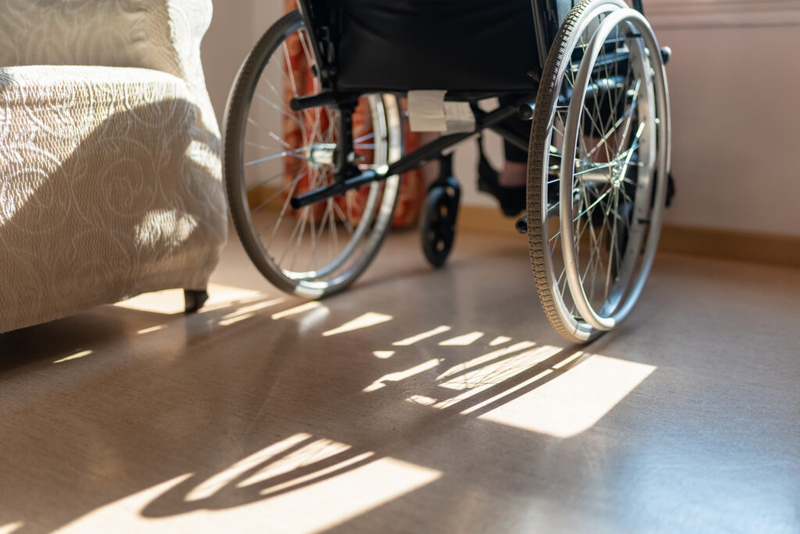
Nursing homes should be able to earn a reasonable profit, but excessive profits should never come at the expense of resident care, writes Chris Widelo of AARP New Jersey. (Getty Images)
When a nursing home resident reports a serious safety or care concern, they shouldn’t wait months for someone to investigate. But according to a new report from State Auditor David Kaschak, that is happening far too often in New Jersey.
The report found that 81% of the complaints reviewed by auditors were not investigated within the required timeframes. In one troubling case, a complaint that should have prompted an inspection within three business days went 215 days without an onsite investigation.
For a nursing home resident, 215 days isn’t simply a bureaucratic delay. It can mean months living with inadequate staffing or unsafe conditions that put residents at risk of falls, infections, and other preventable harm.
The state auditor’s findings make one thing clear: Stronger oversight and accountability are needed to protect nursing home residents. That means identifying problems before residents suffer and having a clear picture of how nursing homes are spending the billions of dollars they receive.
From 2021 to 2023, an AARP analysis found that New Jersey nursing home owners paid nearly $2 billion to companies they also own. Without greater financial transparency, it can be difficult to see where nursing home dollars are going and whether enough is being directed toward resident care.
The Nursing Home Accountability and Transparency Act (S2980/A4722) would require audited financial reports and greater disclosure of transactions between nursing homes and companies with common ownership, giving policymakers and regulators a clearer picture of how nursing home dollars are spent.
Greater transparency can help regulators identify problems, hold low-performing facilities accountable, and ensure taxpayer dollars support the people they are intended to serve. Nursing homes should be able to earn a reasonable profit, but excessive profits should never come at the expense of resident care.
The state auditor has shown what can happen when oversight falls behind. New Jersey should not wait for another report — or another resident to suffer — before strengthening accountability.
Chris Widelo is state director of AARP New Jersey.
Trenton, NJ