Lawsuit blames Texas abortion ban for San Antonio woman’s death
Sep 16, 2026 | 12:43 pm ET
Description
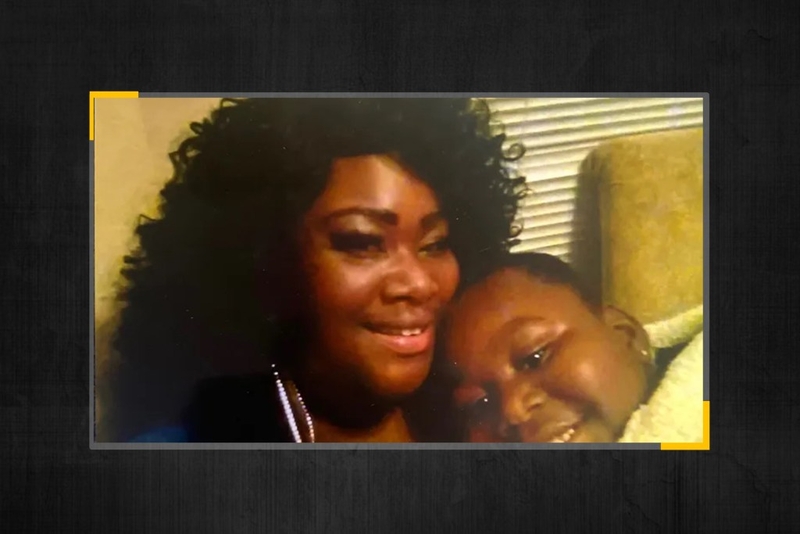
Tierra Walker died, killed by preeclampsia when she couldn’t access an abortion in Texas in 2024. Now, her family is suing. (Social media)
The family of a 37-year-old pregnant San Antonio woman who died of preeclampsia is claiming in a new lawsuit that the Texas’ abortion ban led to her death.
The family of Tierra Walker, who died when she was 20 weeks pregnant, is suing Texas Attorney General and U.S. Senate hopeful Ken Paxton, Texas Medical Board executive director Stephen Brint Carlton, the University of Texas Health Science Center in San Antonio and doctors who cared for her. The lawsuit specifically holds Paxton and Carlton responsible for Walker’s December 2024 death because of their upholding of Texas’ “merciless blanket prohibition on abortion.”
“Tierra Walker is dead and those responsible must be held accountable,” according to the lawsuit filed in San Antonio’s Bexar County this week. “Their deliberate indifference, discrimination, and medical mistreatment ultimately caused her horrific and tragic death.”
The attorney general’s office, the state medical board and UT Health San Antonio did not immediately respond to requests for comment on the lawsuit.
During the four months of her pregnancy, Walker suffered seizures, blood clots, and one hypertensive crisis after another that were all signs of preeclampsia, a pregnancy complication that results in high blood pressure and death, according to the lawsuit. During that time, Walker asked for an abortion but was denied it because although her own health was failing, the lawsuit claims she was told “your baby is fine.” At one point, as many as 90 medical professionals were consulted on Walker’s case before she died, according to ProPublica’s profile on Walker’s death.
Texas’ initial abortion ban, which went into effect in 2021, barred pregnancy termination if a fetal heartbeat could be detected, which usually occurs early in a woman’s pregnancy. By the next year, Roe v. Wade, which created a constitutional protection for abortion up to the point of viability, usually around 22 to 24 weeks of pregnancy, was overturned. As a result, Texas activated a trigger law that explicitly protects a pregnant person from prosecution and allows for abortions in narrow cases to save the life of the pregnant patient.
But since that time, there have been stories from Texas women with problem pregnancies who have encountered medical providers who are hesitant to consider an abortion to save these women’s lives. That has prompted many to seek an abortion out of state, according to the lawsuit, which was filed by Amplify Legal on behalf of the family. Amplify Legal is the legal arm of Abortion in America, an advocacy group that brings attention to the medical toll of abortion bans.
“As a result, too many pregnant Texans have already died preventable deaths,” the lawsuit states. “Yet no one has held them accountable.”
Walker’s family, which includes a teenage son, her husband and an aunt, filed the suit, pointing out how hard it is for those harmed by the abortion ban to sue in Texas. Federal civil rights law prevents states from depriving a person of their fundamental right to life.The Texas Supreme Court has directed individuals who have been denied life-saving abortion care to sue their physicians for malpractice, but, they point out, the Texas Torts Claims Act has only made public hospitals subject to malpractice liability in specific and rare cases. As a result, the lawsuit states, an unreasonable barrier to sue has now been placed on the families of those who die or are harmed by the abortion ban.
Months after Walker died, the Texas Legislature passed Senate Bill 31 aimed at ensuring that pregnant women receive lifesaving care under the state’s near-total abortion ban. It says that a patient doesn’t have to be in “imminent” medical crisis for doctors to intervene and that a doctor can only be charged if the state can prove “no reasonable doctor” would have made the same call. It also requires the Texas Medical Board to create training for doctors, which was finalized in early 2026.
The lawsuit comes just weeks after the state’s maternal mortality review committee announced its regularly scheduled report, typically released every other year around Sept. 1, would be delayed. The report won’t be out until December, after the mid-term election, thanks to a tweak by the Texas Legislature last year that the report could be delayed until then. The scheduled report was supposed to have been the first report on maternal mortality since Texas’ near-total abortion ban went into effect in 2022. But it has been previously announced that the anticipated report will be incomplete, excluding 2022 and 2023 deaths because of the COVID-19 pandemic.
As a black woman in Texas, Walker was part of a demographic that in Texas has a known higher risk of death when giving birth here. Black women in Texas experience more than 2.5 times the rate of pregnancy-related death than white or Hispanic women.
Austin, TX