US House leaves for campaign break without action on AI, affordability

Description
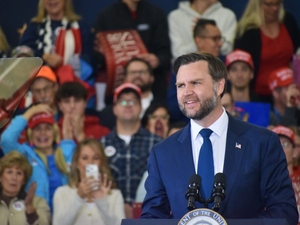
U.S. House Speaker Mike Johnson, R-La., speaks at a campaign event for U.S. Rep. Jen Kiggans in Virginia Beach, Virginia, on Aug. 17, 2026. (Photo by Charlotte Rene Woods/Virginia Mercury)
WASHINGTON — The U.S. House departed Wednesday for a seven-week campaign break after spending less than two weeks in session during August and September.
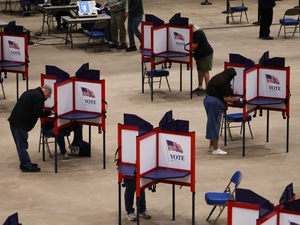
The extended “district work period” is intended to give incumbents from both political parties time to meet with constituents and fundraise back home before voting in this year’s midterm elections ends on Nov. 3.
House Republican leaders hope that more time campaigning will help some of their most vulnerable members secure reelection, allowing the party to hold onto its majority for another two years.
Less time on Capitol Hill also means less time voting on potentially divisive issues. Kentucky Republican Rep. Thomas Massie, for example, would have been able to force a vote to impeach Defense Secretary Pete Hegseth on Thursday had leaders not sent lawmakers home a day early.
Despite the somewhat limited time in session, Speaker Mike Johnson said Tuesday he believes Republicans have accomplished much during their nearly two years with unified control of government. But he brushed aside requests to keep the chamber in town to address warnings from several executives about artificial intelligence.
The Louisiana Republican pointed to a bipartisan task force that issued a 273-page report in December 2024, saying those recommendations meant lawmakers would not be “caught flat-footed here.”
“We’ve been working on this for years and we’re right there where we need to be,” Johnson said.
Moments later, however, he added Congress cannot apply those recommendations to draft legislation to regulate AI because “nobody in the room knows yet what that should look like.”
“Why? Because we don’t have the latest information,” Johnson said. “We are not in the … frontier labs who have taken this technology many steps further than even when our own report was published.”
He argued that instead of Congress debating legislation, the executives of AI companies should instead “self-police” and “self-regulate.”
“They don’t need the government to tell them to slow it down,” Johnson said. “If they want to slow it down, they should.”
‘Nothing’ done, Dem leader says
House Democratic Leader Hakeem Jeffries sharply disagreed with Johnson and Republicans' approach, saying Wednesday that there was considerable work left to do, despite the planned recess.
“They have decided to cancel votes and run out of town without providing any relief to hard-working American taxpayers,” he said.
“Republicans have done nothing to lower the high cost of groceries,” he continued. “Nothing to make healthcare more affordable, nothing to end the reckless war of choice in Iran, nothing to lower gas prices, nothing to stop the violent mass deportation machine, nothing to hold the Trump administration accountable for the unprecedented corruption unleashed on the American people.”
Jeffries questioned why Republicans haven’t been able to improve the economy and lower prices for everyday Americans, despite having made it a central campaign promise during the last election cycle.
“For two years, Americans have been wondering — were MAGA Republicans lying, indifferent, or are they just incompetent?” he said. “We now have an answer: It’s all of the above.”
Long lame duck
The House will return after the election for two weeks in November and three weeks in December. That will give lawmakers a total of 27 weeks in session this year, though those are rarely the type of five-day weeks most Americans are used to.
House lawmakers often take their first vote of the week on Monday evenings around 6:30 p.m. and their last vote of the week on Thursday morning, before many walk down the steps of the Capitol to cars waiting to take them to the airport.
Some weeks are shorter, giving House lawmakers a total of 72 days in session so far with 20 more days of voting on Capitol Hill scheduled before the end of the year.
An American with four weeks of time off a year spends about 48 weeks or 240 days at work, significantly more than the United States House of Representatives dedicated to debating and voting.
Data from the Bureau of Labor Statistics shows that Americans in the private sector with more than 20 years of experience get, on average, four weeks of paid vacation a year.
All States Newsroom content is free to republish. Read our republishing policy for more information.