Inactive oil and gas wells to go under review at hearing
Sep 15, 2026 | 6:00 am ET
Description
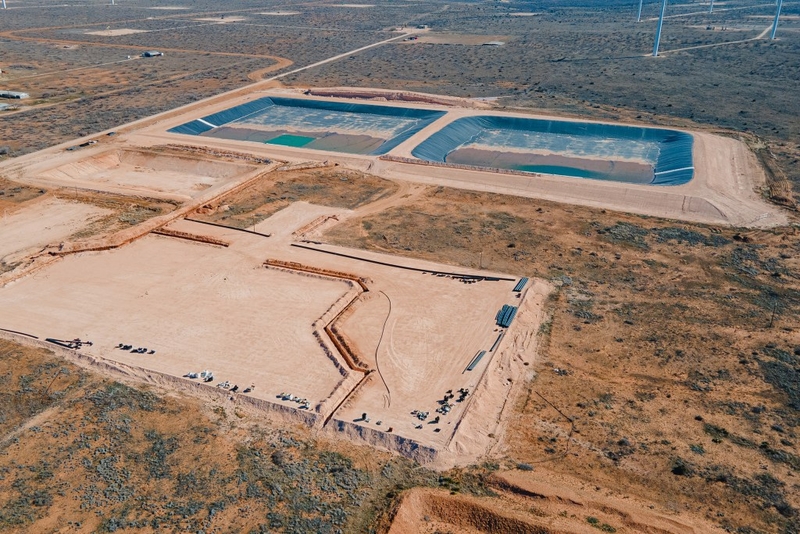
The waste water pits at The Richards Recycling Facility in Lenorah on Feb. 24, 2024. (Julian Mancha for The Texas Tribune/Inside Climate News)
Subscribe to The Y’all — a weekly dispatch about the people, places and policies defining Texas, produced by Texas Tribune journalists living in communities across the state.
ODESSA — A legislative committee will hear from the Texas Railroad Commission on Tuesday as the agency prepares to update its rules for inactive oil and gas wells, now required under state law.
The Railroad Commission regulates oil and gas production. It also oversees nearly 160,000 such wells in Texas, and they are at greater risk of becoming orphans, meaning the operator in charge has gone missing or has been bankrupt for at least 12 months. Left unattended, some of these wells can become conduits for oil and gas wastewater, causing environmental disasters and tens of millions in damages that taxpayers pay to fix. In Texas, at least 12,000 wells have been orphaned.
Currently, oil and gas companies can indefinitely extend the amount of time they have to plug inactive oil and gas wells.
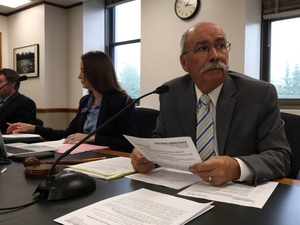
On Tuesday, the House Energy Resources Committee, chaired by state Rep. Drew Darby, R-San Angelo, will hear from the agency about its plans to tackle the issue. The meeting will be streamed here.
“Our members are always focused on fulfilling our obligations under the law and the regulations that govern active and inactive assets, including requirements related to plugging inactive wells,” said Ben Sheppard, president of the Permian Basin Petroleum Association, regarding the hearing, adding that it is “imperative” that operators shrink the number of inactive wells.
“We support the reasonable efforts that will strengthen the requirements to reduce this population over time while also allowing operators the opportunity to get these wells into activity in lieu of plugging if they are economical.”
During the 2025 legislative session, lawmakers sent Gov. Greg Abbott a bill authored by state Sen. Mayes Middleton, R-Galveston, requiring oil companies to plug long-inactive wells.
Industry experts and environmental policy analysts said the law, while beneficial, should impose stricter requirements on operators for it to be effective.
Under SB 1150, operators must plug the well once it has been inactive for 15 years. But they can still request extensions under multiple circumstances. For instance, regulators can consider requests from operators with a proven history of plugging other inactive wells. Another provision allows extensions for operators who can’t afford to plug the well. If approved, the company would have to plug the well by 2042.
“Based on the current legislation, the operators can keep these inactive for almost indefinitely,” said Nikki Morris, a geologist and executive director of the Ralph Lowe Institute of Energy at Texas Christian University. “There’s a lot of wiggle room.”
Several experts also said the Railroad Commission should update the state’s financial assurances, or bonds, that ensure an operator can afford to plug the inactive wells in their portfolio. Currently, the state requires operators to calculate the assurance in two ways: by the depth of the well, at $2 per foot, or by the total number of wells an operator owns. If an operator owns 10 wells, they only need $25,000 as assurance, amounting to a fraction of the cost to remediate a well, which can rise to millions of dollars each.
Adam Peltz, senior director and legal counsel at the Environmental Defense Fund, said he hopes that the Railroad Commission puts more scrutiny on extensions and writes stringent rules around which companies can request them.
Disclosure: Environmental Defense Fund and Permian Basin Petroleum Association have been financial supporters of The Texas Tribune within the past five years. The Texas Tribune is a nonprofit, nonpartisan news organization that is funded in part by donations from members, foundations and corporate sponsors. Financial supporters play no role in our journalism. Find a complete list of them and more information about our financial and disclosure policies here.
Austin, TX