‘Not A Boondoggle’: Lawmakers Get $300K For Travel, Destination Unknown
Sep 14, 2026 | 6:01 am ET
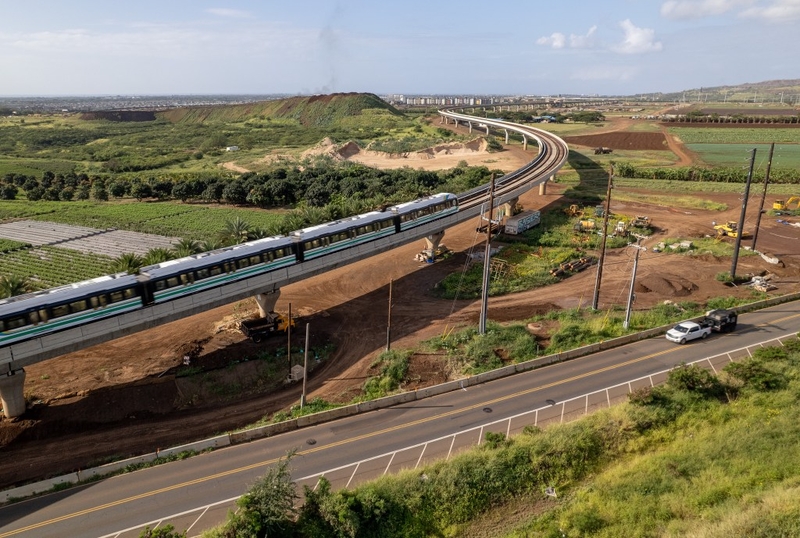
Description
Photo courtesy of Honolulu Civil Beat
A state agency has gotten what amounts to a $300,000 blank check for government workers and lawmakers to travel the globe and study policies to promote development around train stations.
Hawaiʻi policymakers have been studying ways to encourage development along the Honolulu Skyline for more than a decade. Proponents of the Hawaiʻi Community Development Authority’s “Mobile Travel Study Workshop” now have taxpayers footing the bill so lawmakers and government staffers can see transit-oriented development in person to understand it better.
No trips were planned when the HCDA board earlier this month unanimously approved transferring $300,000 from the agency to the Department of Health to run the travel program: no destinations, no attendee list and only a general date of late October, which HCDA's executive director, Craig Nakamoto, said will likely get pushed back, given that nothing's been planned so far.
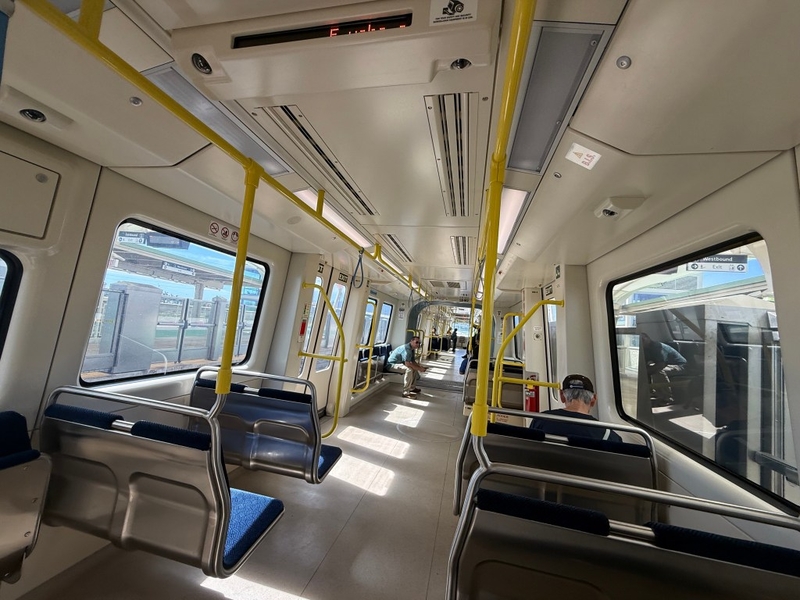
The only thing that's clear is that the taxpayer-funded excursions will likely involve multiple stops.
"I don’t think there’s any one answer or any one city,” Nakamoto said in an interview. “It's a matter of seeing a bunch of these places.”
The only public testimony that was delivered before HCDA’s board greenlit the deal with the health department came from Josh Kopp, the owner of a Kakaʻako microbrewery, who questioned the fiscal wisdom of spending considerable taxpayer money on trips for elected officials and agency staffers.
Kopp asked whether the state could save money by holding virtual meetings with experts from other places instead of traveling the world to meet with them.
“I’m kind of like, guys, this is not a Best Western vacation,” Kopp said after the meeting.
Sen. Chris Lee, who added the $300,000 for HCDA “Educational Exchange Programs” to the 2027 state budget, said at the meeting that the trips could actually save taxpayer money in the long run.
“The state spends billions on infrastructure and housing, and missing opportunities or making planning errors can cost tens or hundreds of millions of dollars,” said Lee, a member of the Senate Transportation Committee. “Spending money on early education and alignment prevents costly mistakes and saves taxpayer dollars down the line.”
Officials Have Studied Development Around Rail For Years
State officials have already been taking trips to conferences to study linking transportation to development for more than a decade, said Mary Alice Evans, the state planning director who also co-chairs the Hawaiʻi Interagency Council for Transit-Oriented Development.
The goal is to leverage Oʻahu’s $10 billion Skyline to spawn walkable villages near train stations, where people can live, work, shop and play without the need for cars.
In 2024, Gov. Josh Green established an Advisory Committee on Transit-Oriented Development. It includes Evans; Lori Kahikina, executive director of the Honolulu Authority for Rapid Transportation; developers Stanford Carr and BJ Kobayashi, and Masafumi Ota of Japan’s Tokyu Group, one of the world leaders in transit-oriented development, which has been sharing ideas for Oʻahu.
In July, the committee published a 107-page study drilling down into transit-oriented development opportunities and challenges along the Skyline.
While the committee’s work represents serious market and policy research aimed specifically at the Skyline, Evans said there’s still value in elected officials traveling to other places to understand the model and how proposed policies for Oʻahu align with global best practices.
“In order to make it happen,” she said, “we need champions in the Legislature.”
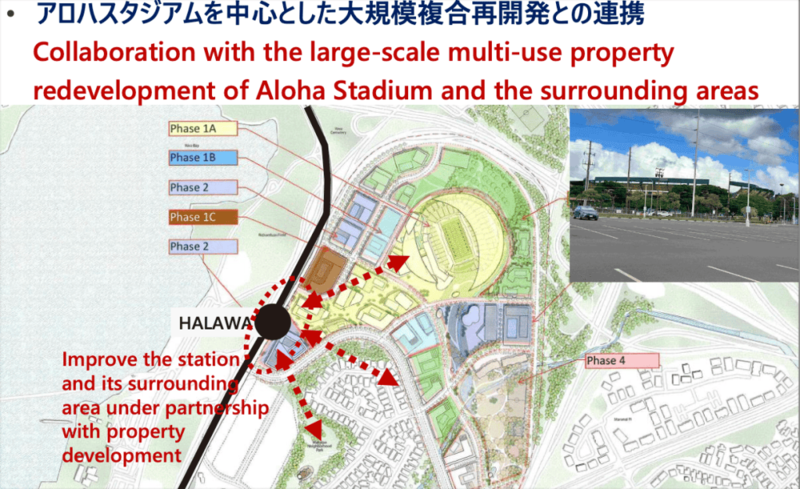
How exactly HCDA plans to use its $300,000 travel budget isn’t clear. The Legislature has put the agency in charge of planning, zoning and permitting for 98 acres around Aloha Stadium served by the Skyline’s Hālawa station. The so-called New Aloha Stadium Entertainment District, anchored by a new stadium, could be Oʻahu’s most significant project linking rail to development.
HCDA’s Nakamoto said the agency wants to visit other places to see best practices to apply to the Hālawa-Aloha Stadium area. But he said the specific locations and attendees are still being worked out.
“I don’t know what the extent of the tour is,” he said. “It could be to foreign countries.”
In fact, HCDA isn’t involved in planning the excursion at all anymore. It has passed that work to the health department.
According to an HCDA document, the transit-oriented development travel workshop initiative started when Lee added the $300,000 appropriation for HCDA to the 2027 budget. The money would come from an HCDA special fund generated from leasing and managing public land in Kakaʻako.
Lee didn’t respond to interview requests.
'It Needs To Happen'
The travel study workshop was originally expected to take place in late October. After HCDA realized it didn’t have the bandwidth to complete its own procurement process, the agency punted that work to the health department, which HCDA said “has relevant expertise and an existing contract that can be used to support the planning and organization of the workshop within the required timeframe.”
The health department is a member of the interagency transit-oriented development council. The department’s “Complete Streets Policy” initiative is focused on changing environments to promote healthy lifestyles by encouraging people to walk and bike rather than using cars.
As a result, the board gave Nakamoto authority to enter an agreement for the health department to take over, while HCDA would keep a portion of the $300,000 to cover expenses for its own staff. The rest of the money can be used for travel by legislators and staff of other, unspecified departments.
The health department’s point person on the program, Chronic Disease Prevention and Health Promotion Division Administrator Lola Irvin, did not respond to an interview request. In a statement provided by DOH spokeswoman Kristen Wong, the agency said discussions about the workshop are ongoing and no decisions have been made.
“At this time, no agreement has been finalized or executed,” the department said.
Among those supporting the travel workshop is Mark Garrity, executive director of the Oʻahu Metropolitan Planning Organization, a federally funded planning entity.
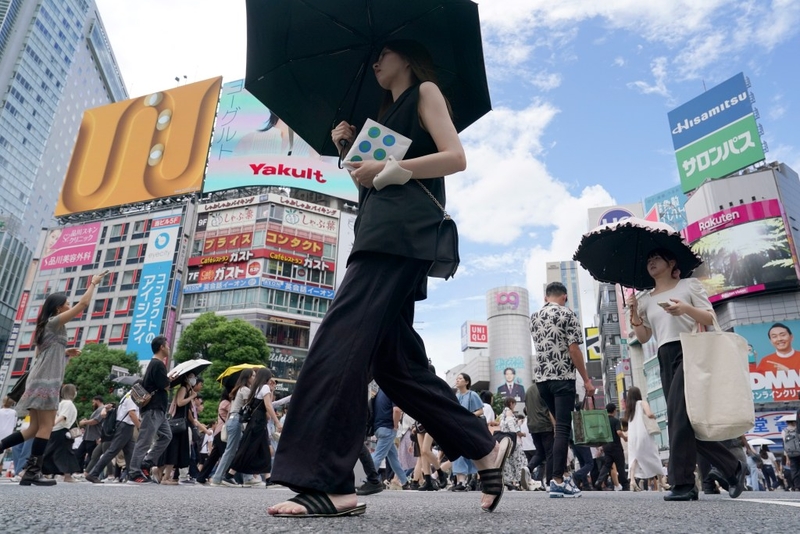
It’s often hard for people to fully understand transit-oriented development without seeing how villages including shopping malls, apartments, offices and multi-modal transportation hubs can be integrated with rail stations.
“The advantage of going somewhere is to experience it firsthand,” said Garrity, who participated in a planning meeting with HCDA in June.
The workshop budget would not have to be used exclusively for travel, Garrity said. Some of the money could be used to bring experts to Oʻahu for a workshop.
“This is not a boondoggle,” he said. “It needs to happen.”
Honolulu, HI